Aspen Collection has introduced its Fall/Winter 2026–27 apparel line, including new performance outerwear, wool layers and après-ski pieces. The launch coincides with Aspen Snowmass's eightieth anniversary season and adds a limited in-store capsule alongside technical designs tested on local terrain.
A new season above the snow line
Aspen Collection has introduced a Fall/Winter 2026–27 line that combines technical clothing for skiing with the distinct social vocabulary of the Colorado resort. Announced by Aspen One on 3 November 2026, the range includes insulated jackets, a women's one-piece ski suit, performance shell layers, knitwear and casual pieces intended to move beyond the mountain. It arrives as Aspen Snowmass prepares its eightieth-anniversary winter season, giving the collection a local heritage theme as well as a practical one.
The phrase alpine style can cover almost anything from high-performance outerwear to a sweater worn by the fire. Aspen Collection is trying to occupy both sides of that spectrum without treating them as interchangeable. Weatherproofing and movement matter on a chairlift, while texture, cut and colour take on greater importance indoors. The collection makes an interesting case study in how a resort-born clothing business translates actual mountain use into products that may be bought far away from Colorado.
A brand shaped by one place
Aspen Collection operates within the Aspen One portfolio and says its work draws directly on the terrain and community of Aspen Snowmass. Its team designs apparel for instructors, ski patrollers and other employees who work across the mountains in changing conditions. According to the company, feedback from those users informs choices about fit, materials and durability. That relationship offers a practical route from everyday mountain experience to retail design, although individual garments still merit assessment on their own specifications.
The resort connection is more specific than a fashion campaign photographed against snowy peaks. Staff members who spend long periods outdoors can expose the shortcomings of a collar, hood or pocket that might be missed in a studio fitting. By citing this working environment, the brand gives an explanation for its construction priorities. Shoppers should nevertheless distinguish between a product that shares the company's testing philosophy and one that has been tested for their precise activity or climate.
The Outrider jacket
The men's Outrider Jacket blends a puffer silhouette with a faux-shearling collar and vegan-leather trim. Aspen Collection specifies 700-fill Responsible Down Standard-certified goose down behind a waterproof 30K/30K shell. The combination is intended to supply insulation for cold conditions while retaining the polished appearance associated with an après-ski setting. It is an example of the collection's attempt to make performance fabrics visually compatible with traditional winter wardrobe details.
A 30K/30K specification is a manufacturer-stated textile performance rating, not a promise that a finished garment will keep every wearer comfortable in every storm. Fit, seam construction, ventilation and how the jacket is layered can all affect the real experience. Likewise, insulation performance depends on both fill and the amount and placement used. Buyers comparing pieces should ask about the complete garment rather than rely on a single technical number, especially if the jacket will be used for demanding skiing.
The Highlands one-piece
The women's Highlands Suit brings back the visual confidence of a one-piece ski outfit with contemporary technical construction. Aspen Collection describes a 700-fill down, 30K/30K insulated upper section paired with a stretchy Schoeller softshell lower section. An adjustable waist belt allows some fit refinement, while the removable hood is designed for compatibility with a helmet. The result is positioned for movement on the mountain without abandoning the recognisable shape of a full-length ski suit.
One-piece designs can be appealing for keeping out snow and presenting a coordinated silhouette, but their practical success depends heavily on fit and freedom of movement. Buyers should think about how the torso and legs accommodate different positions, and about access when layering or taking breaks. Aspen's material combination suggests an effort to direct warmth and stretch to different parts of the body. That is a more useful design decision to examine than the nostalgic appearance alone.
Freefall and the shell approach
The unisex Freefall Kit is a technical alternative to the heavily insulated pieces. Aspen Collection states that it was tested on Highland Bowl's steeper terrain and uses a three-layer shell with four-way stretch. The company also identifies a PFC-free Super DWR finish and Trizar technology intended to help regulate temperature by reflecting body heat. The design emphasises mobility and adaptable layering, making it distinct from garments built mainly around deep insulation.
A shell system asks the wearer to make more decisions about what belongs underneath. That can be useful when days begin cold and become warmer with activity, but it requires an understanding of base layers and ventilation. Water-repellent surface treatments also need appropriate care to remain effective, and labels should be consulted for cleaning instructions. Aspen's technical terminology describes the intended material functions; it should not be mistaken for independent testing of a complete outfit under every snow condition.
Millie and Barrow take two paths
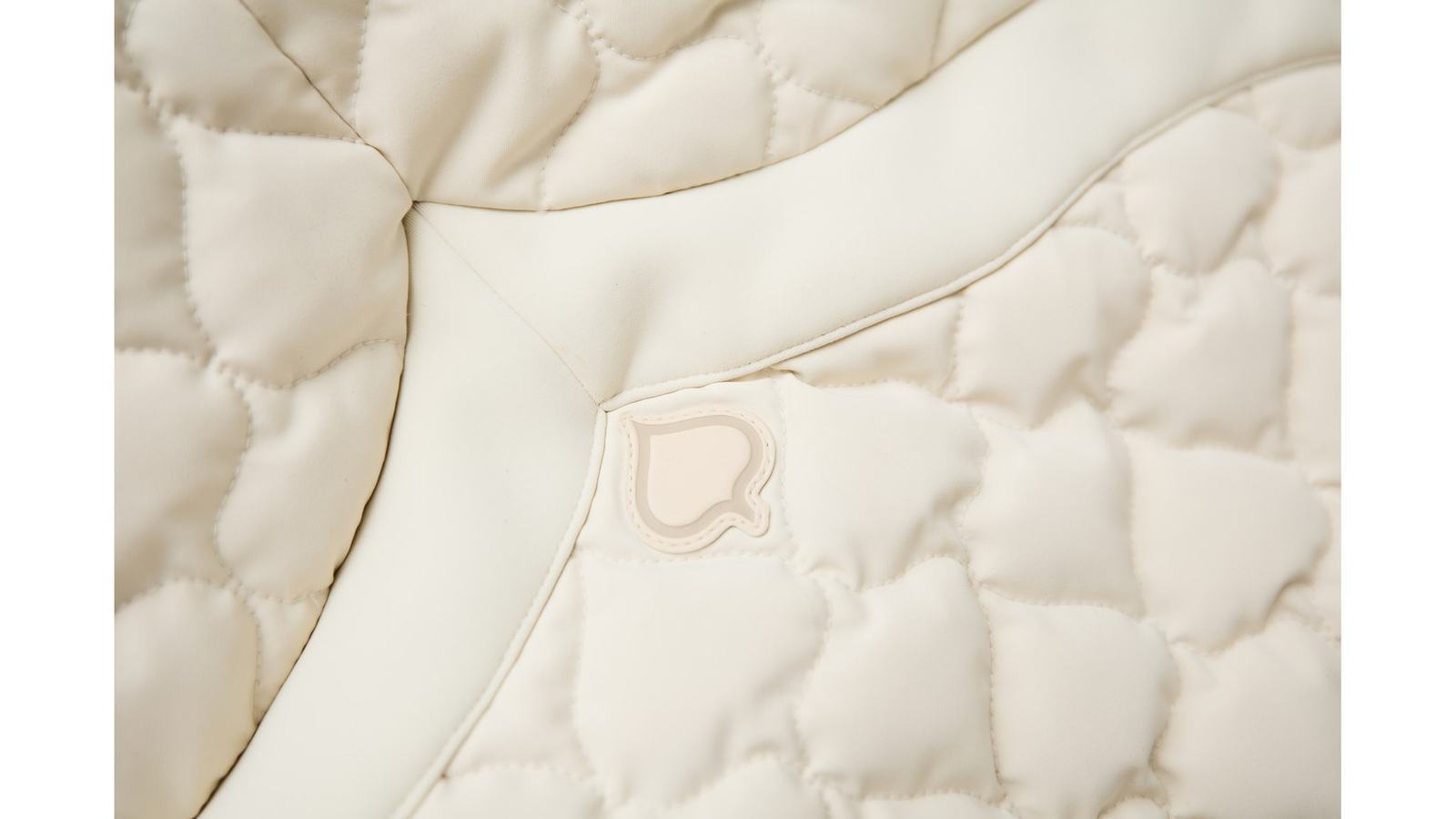
The women's Millie Jacket mixes corduroy detailing with a custom leaf-logo lining and insulation that varies by zone. Its specification includes 700-fill goose down, PrimaLoft Gold Insulation Active and a 30K/30K shell, with a hood that can be stowed away. The Barrow Fleece offers a very different profile: recycled-polyester faux shearling in an Oak colour, a relaxed slightly cropped cut and faux-horn toggle fastening. One jacket is designed around changing outdoor conditions, the other around tactile everyday warmth.
These pieces show why a winter collection needs more than one technical formula. A jacket for long outdoor periods must deal with wind, moisture and sustained exposure, while a fleece intended for town may place greater emphasis on comfort and appearance. It is tempting to compare them simply by brand or price, but their purposes differ. The sensible choice depends on where the garment will actually be worn, how much movement is expected and which layers will accompany it.
Knitwear with mountain references
The men's Driftmoor Cardigan uses a southwestern jacquard pattern, a shawl collar and vegan-leather knot buttons, bringing a textured alpine vocabulary into an everyday wool layer. Aspen Collection also introduces the women's Bristol Quarter Zip, a relaxed wool knit with a pronounced collar intended to provide some wind protection. The brand describes responsibly sourced wool for the Bristol, linking it to the broader collection's attention to materials and long-term practical use.
Knitwear has a different role from waterproof outerwear. It can provide comfortable warmth indoors or during low-intensity activities, and it contributes strongly to a wardrobe's visual character. Its performance is sensitive to weave, fibre, fit and care. The southwestern pattern and substantial collars give these garments distinct identities, although shoppers should avoid confusing decorative influences with performance claims. Their appeal is to carry a recognisable sense of place without requiring that every wearer be a skier.
The eightieth-anniversary capsule
Aspen Snowmass marks eight decades in the 2026–27 winter season, and Aspen Collection is commemorating that milestone with a limited capsule of hoodies, hats, bags, T-shirts and pins. The company says the anniversary pieces are available only in its Gondola Plaza and Snowmass Base Village shops. They function as keepsakes of a place and a season, rather than replacements for the technical outerwear in the main range. Their restricted retail locations are part of the stated offer.
Resort anniversaries have a natural appeal to visitors whose memories are tied to a particular mountain or family trip. Small objects can become markers of that history long after a holiday has ended. The exclusivity of an in-store capsule is also different from a production number limit: the company has specified where the collection can be purchased, not necessarily how many units of every item exist. It is worth making that distinction before attaching significance to the word limited.
Where and how to buy
The Fall/Winter collection is available online through Aspen Collection and in its stores at Gondola Plaza and Snowmass Village, according to the launch announcement. The brand also advertises a complimentary one-day lift ticket with purchases of selected outerwear or kits made in-store, a promotion that is separate from the general online range. Customers should verify the qualifying products and current conditions directly because a seasonal retail offer may have limitations not visible in a broad press summary.
Shopping for specialist winter clothing is often best approached as a fitting exercise rather than a purely visual choice. Sleeves, cuffs, hems and hood adjustment matter when equipment is in use, while movement should be assessed with the layers that will actually be worn. An appealing fabric specification may not overcome an uncomfortable cut. The two-store presence gives visiting customers a chance to try the products in the destination that inspired them, although stock and sizing will vary.
Performance, style and the route ahead
Aspen Collection says it is investigating materials and methods intended to improve function while reducing environmental impact, including PFC-free options and more responsible material choices. Those are useful directions, but the announcement does not provide a complete life-cycle comparison or independent environmental assessment for each garment. The important distinction is between named materials and tested outcomes. Consumers interested in durability and sustainability should examine care guidance, repair arrangements and product-specific information.
The 2026–27 line reveals an increasingly sophisticated overlap between performance clothing and destination-inspired luxury. A garment can be rooted in mountain experience and still appeal to someone who wants only the texture of a winter cardigan. The most persuasive pieces are those whose style follows a clear function, whether that is a hood designed for a helmet or a warm layer made for cold mornings. Aspen's new range offers several approaches, all connected by a particular mountain identity.
Editorial source: Aspen One official announcement via PR Newswire, 3 November 2026. This original lifestyle feature is based on information from the named source; confirm current availability, specifications, travel dates and booking conditions with the relevant provider.