Plan a private yacht charter
Understand yacht selection, contracts, weekly rates, APA, tax, itineraries, crew service and the responsibilities of the charterer.
Read the charter guide →Charter intelligence
A superyacht charter combines private use of a professionally crewed yacht with personalised hospitality, flexible cruising and direct access to some of the world's most distinctive coastlines and islands.
Superyacht Guide explains how chartering works, what the advertised rate includes, how the APA and other expenses are handled, how brokers and charter managers operate, where yachts cruise and what owners should consider before entering the commercial charter market.
This section is designed for prospective and experienced charterers, yacht owners, captains, brokers, managers, industry professionals and readers seeking a clearer understanding of the international charter business.
Understand yacht selection, contracts, weekly rates, APA, tax, itineraries, crew service and the responsibilities of the charterer.
Read the charter guide →Examine charter management, central agency, commercial preparation, owner use, commissions, operating costs and additional wear.
Owner charter guidance →Find established charter companies, destinations, seasonal markets, professional roles, current listings and charter intelligence.
Charter industry directory →Superyacht charter guide
A superyacht charter gives a charterer temporary private use of a professionally crewed yacht. It combines accommodation, transport, food, personal service and access to coastlines and islands within one operating platform. The yacht remains under the command of its captain and crew, but its daily programme is planned around the charter party, subject to weather, safety, regulation and the physical capabilities of the vessel.
The experience can range from a quiet family week aboard a 30-metre motor yacht to an expedition on a large ice-capable vessel or a corporate event aboard a passenger-certified yacht. The right choice is not necessarily the longest or newest yacht. Crew quality, cabin arrangement, deck space, noise, stabilisation, tender capacity, water toys, cruising speed and the intended itinerary can matter more than length alone.
Charter is also an international commercial transaction. The yacht may be owned in one jurisdiction, registered in another, represented by a central agent in Monaco or London, booked through a retail broker elsewhere and delivered in France, Greece, the Bahamas or the Caribbean. Contracts, tax, commercial certification and payment arrangements therefore form an important part of the experience even though they remain largely invisible once the guests are on board.
A retail charter broker normally advises the charterer. The broker develops the client brief, searches the available market, prepares a shortlist, negotiates the booking and remains involved through embarkation and completion. A central charter agent or charter manager represents the owner and the yacht. That company sets the marketing strategy, controls the availability calendar, distributes information to other brokers, negotiates on the owner's behalf and administers contracts and payments.
The company selected by the charterer therefore does not need to be the company centrally representing the yacht. Two brokerages commonly cooperate on the same booking: one acting for the charterer and the other acting for the owner. This distinction also explains why a company may advertise access to thousands of yachts while directly managing a much smaller central-agency fleet.
The process begins with dates, destination, guest numbers and budget, but a useful brief goes much further. The broker should understand the ages of the guests, cabin and bed requirements, dietary needs, mobility considerations, preferred activities, desired cruising pace, privacy expectations and whether the group wants formal service, relaxed family life or an event-focused programme.
The shortlist is then based on more than online photographs. Experienced brokers consider the yacht's crew, recent maintenance, charter history, layout, stabilisers, tender operations, water-sports equipment, cruising speed and suitability for the proposed route. They may also have direct knowledge gained from charter shows, yacht inspections and previous client feedback.
Once the yacht is selected, the parties agree the delivery and redelivery ports, dates, cruising area, weekly rate and special conditions. Restrictions involving children, pets, smoking, diving, personal watercraft, filming, large events or unusual equipment should be settled before signature rather than assumed.
Preference forms allow the captain, chef and interior department to prepare the yacht for the particular group. Food, beverages, allergies, celebrations, activities, sleeping arrangements and daily routines can all be organised in advance. The proposed itinerary remains flexible because weather, sea conditions, berth availability and the captain's safety judgement can require changes after the charter begins.
Rates and expenditure
The advertised weekly rate is the starting point, not the final cost. A realistic budget separates the base fee from variable expenditure, tax, positioning and discretionary gratuity.
The base fee normally covers use of the yacht, its standard equipment, the professional crew, crew wages and the yacht's ordinary insurance during the charter. It does not normally include the charter party's fuel, food, beverages, berthing, local agents, shore transport, communications or special equipment.
The Advance Provisioning Allowance, usually known as the APA, is paid before embarkation and placed under the captain's control. It funds charter-specific operating expenses such as fuel, provisions, drinks, marina fees, port agents and local arrangements. Published industry guidance commonly places the APA at approximately 20–40% of the base fee, although long passages, fast yachts, premium berths and extensive provisioning can require more.
The captain maintains accounts and supporting receipts. The charterer may be asked to replenish the fund if it becomes insufficient. Any unused balance is returned after the final account has been reconciled.
VAT and local charter taxes depend on the yacht, its commercial status, the place of embarkation and the route actually undertaken. Delivery or repositioning charges may apply when the yacht must travel outside its planned operating area to begin or complete the charter. Crew gratuity is discretionary, although a planning range of approximately 15–20% is commonly discussed in parts of the international market.
| Illustrative one-week charter | Amount |
|---|---|
| Base weekly charter fee | €250,000 |
| Illustrative APA at 30% | €75,000 |
| Illustrative tax at 20% | €50,000 |
| Illustrative gratuity at 15% | €37,500 |
| Illustrative total before repositioning | €412,500 |
The retail broker's remuneration is ordinarily paid from the gross charter fee by the owner rather than added as a separate charge to the charterer. Published commission examples within the professional market have included levels of approximately 10%, 12% and 15%, depending on membership, fleet representation and the contractual relationship between the companies.
When the retail broker and central agent are different businesses, the available commission is allocated under their agreement. Charter-management charges, marketing, photography, yacht-show participation and other owner services may be accounted for separately. The APA is not commission or owner revenue; it is a charterer-funded operating account that must be reconciled.
Charter industry
Established charter companies may act as retail brokers, central agents, charter managers or full-service yacht businesses. Their public inventories should not be confused with the number of yachts they manage exclusively for owners.
Global charter brokerage and charter management
Burgess is a global superyacht company providing yacht brokerage, charter, yacht management, new-build support and owner services. Its official website presents services for buying, selling, chartering, building and …
Global charter brokerage and charter management
Fraser is a full-service superyacht company providing yacht sales, charter, yacht management, charter management, new build, refit and crew placement support. Its official information describes a large international …
International charter brokerage and owner services
Camper & Nicholsons is a luxury yachting company providing yacht sales, charter, yacht management, charter management, new-build, refit, corporate and ownership-support services.
International charter brokerage and charter marketing
Northrop & Johnson is a luxury yacht brokerage company providing yacht sales, charter, charter management, yacht management and related services to yacht owners, buyers, sellers and charter clients.
International brokerage with a major charter division
Denison Yachting is a yacht brokerage and yachting services company offering yacht sales, yacht charter, charter management, yacht management, crew placement, financing, insurance and marina-search services.
Large-yacht charter brokerage and charter management
Edmiston is a luxury superyacht brokerage company active in yacht sales, charter and yacht management. Its public material describes support across yacht ownership, charter, sales and management, with …
Charter brokerage, management and yacht services
Y.CO is a full-service superyacht company providing luxury yacht charter, yacht sales, purchase, management, new build and project services. Its official website lists offices including Monaco, London, Fort …
International charter brokerage and management
Ocean Independence is a luxury yacht brokerage and management company providing yacht sales, charter and management services. Its official information describes international brokerage activity, 15 offices worldwide and …
Family-owned brokerage, charter and yacht management
Moran Yacht & Ship is a luxury yacht brokerage and yacht services company active in yacht sales, charter, new construction and management-related advisory.
Monaco charter brokerage and international yacht services
Monaco-based superyacht brokerage and charter company operating as part of the Hill Robinson group.
Charter, brokerage, management, crew and training
Bluewater provides yacht brokerage, charter, management, crew training and crew placement services. The company is active across several major parts of the superyacht ownership and operation cycle.
Motor-yacht and sailing-yacht charter brokerage
French yacht brokerage company handling sales, purchase, charter and management for sailing and motor yachts.
Large-yacht charter and sales brokerage
Merle Wood & Associates is an internationally recognised yacht brokerage company providing yacht brokerage, new yacht construction and yacht charter services. Its official information describes specialisation in sale, …
Worldwide charter brokerage and online charter inventory
United Kingdom yacht-industry media and communications provider focused on yacht charter media, listings and yacht-industry content..
Charter-focused retail brokerage
International Yacht Charter Group is listed in the Superyacht Guide company directory. This profile was created from the controlled company import workflow and should be expanded after further …
Where and when
The Mediterranean is the principal northern-summer market. Yachts concentrate in the Western Mediterranean, Italy, the Balearics, Greece, Croatia, Montenegro and Turkey from spring into autumn, with the strongest demand generally occurring during July and August.
The Caribbean and Bahamas become the main northern-winter markets, especially from December through April. Christmas, New Year, St Barths, Antigua and major Caribbean events can produce intense competition for established yachts. Some yachts cross the Atlantic between seasons, while others remain permanently based in the United States, Bahamas or Caribbean.
The Middle East, Red Sea, Indian Ocean, Southeast Asia, South Pacific and expedition regions operate on more specialised calendars. Alaska, Norway, Iceland, the Galápagos, Patagonia, Antarctica and the Arctic also require yachts and crews suited to remote logistics, permits, specialist equipment and limited support infrastructure.
May to October
A major charter, brokerage and event centre on the French Riviera.
May to October
A principal embarkation point for Riviera and Mediterranean itineraries.
May to October
A high-demand Western Mediterranean anchorage and summer destination.
April to October
A Balearic charter base with extensive yacht services and international access.
May to October
A Balearic destination combining anchorages, beach clubs and short-distance cruising.
April to October
The principal gateway to the Saronic Gulf, Cyclades and wider Greek charter market.
November to April
Shallow-water island cruising with strong winter charter demand.
December to April
One of the Caribbean's highest-profile winter charter destinations.
April to October
A central Mediterranean embarkation, service and cruising base.
May to September
A premium Sardinian charter area centred on Porto Cervo and the Maddalena archipelago.
Yacht selection
Length is only one measure, but it influences space, crew numbers, facilities, operating cost, berth access and the type of itinerary the yacht can support.
Often suited to families and smaller groups, with easier marina access, lower fuel demand and a more informal relationship with the crew.
Larger exterior areas, five or six cabins, stronger tender capacity, beach clubs and a broader range of guest facilities.
More private guest areas, larger specialist crews, extensive toys, substantial tenders and facilities that can include spas and cinemas.
The largest yachts may provide pools, elevators, medical rooms, helicopters, multiple tenders and passenger-certified accommodation.
Many commercial yachts are certified to carry no more than 12 guests while cruising, even when their physical size would permit more accommodation. A smaller number of passenger-certified yachts can accept larger charter parties under a different regulatory and operational framework.
The crew remains central at every size. An older yacht with an established captain, excellent chef and stable interior team may deliver a stronger charter than a newer yacht whose crew has only recently joined. Charterers should therefore assess service, experience and operating reputation alongside design and equipment.
For yacht owners
Charter can offset part of the cost of yacht ownership, but it changes the way the yacht is operated. The vessel must be commercially suitable, correctly registered, insured and crewed, with the necessary certification and permissions for the areas in which it will embark charter guests.
An owner normally appoints a charter manager or central agent to establish the market position, recommend rates, prepare photography and specifications, distribute availability, answer broker enquiries, negotiate contracts and coordinate payments. The owner must also reserve personal-use periods while releasing enough commercially useful dates for brokers to support the yacht.
Charter income should be assessed against commission, management fees, marketing, tax administration, additional engine and generator hours, tender use, interior wear, maintenance and crew workload. The gross weekly rate is not the amount remaining with the owner. A successful programme can make a meaningful contribution to annual expenditure without necessarily turning the yacht into a profitable asset.
Crew preparation is as important as legal preparation. A private crew must adapt to repeated guest arrivals, preference sheets, rapid turnarounds, formal service and the possibility of several demanding charters in one season. Owners entering the market should assess whether the existing captain and crew want, and are equipped, to operate at that level.
Verified inventory
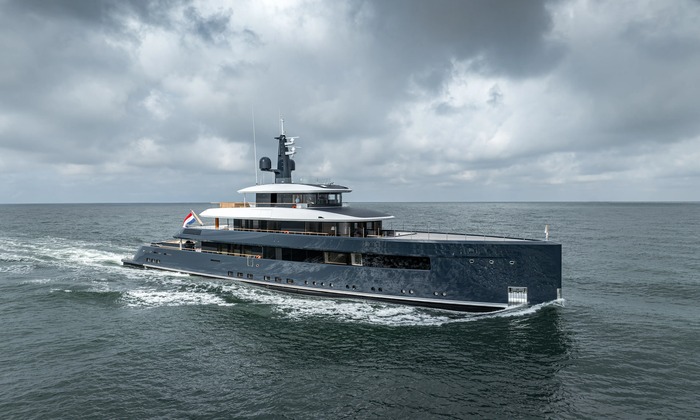
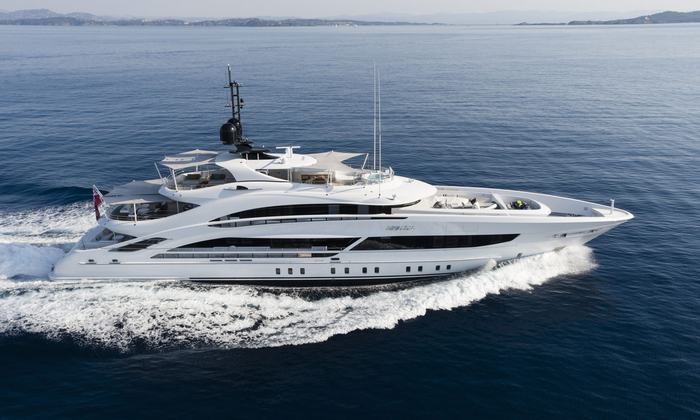
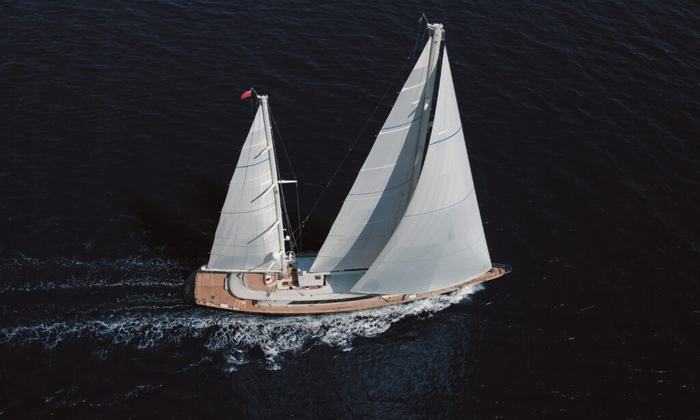
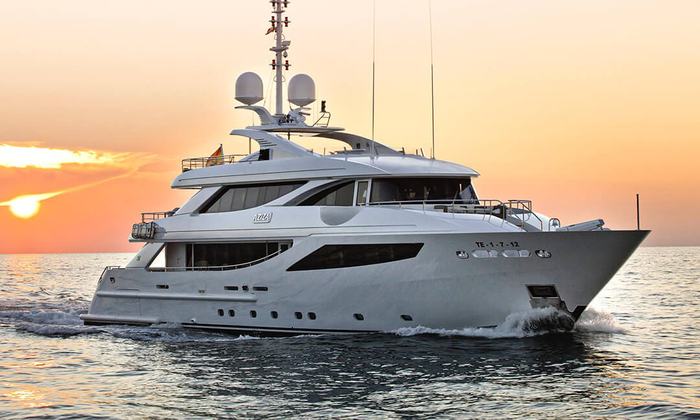
Current listings identify the yacht, appointed charter company, official source and either a published weekly rate or an explicit rate-on-application status. Availability remains subject to confirmation because owner use, bookings and seasonal positioning change continually.
7 verified charter listings found.

Further charter intelligence
Practical Superyacht Guide to Antigua, covering Falmouth Harbour, English Harbour, Caribbean charter season, eSeaClear, superyacht berthing and verified emergency notes.
Practical Superyacht Guide to Cannes, covering IGY Vieux-Port, Port Canto, events, Riviera berthing, VHF notes and verified emergency guidance.
Practical Superyacht Guide to Miami, covering owner travel, charter logistics, Yacht Haven Grande Miami, Miami Beach Marina, provisioning and verified emergency notes.
Practical Superyacht Guide to Monaco, covering Port Hercule, Riviera berthing, events, owner logistics, emergency numbers and verified official port notes.
Practical Superyacht Guide to Nassau, covering Bahamas clearance, Click2Clear, Atlantis Marina, charter logistics, provisioning and verified emergency notes.
Practical Superyacht Guide to Palma de Mallorca, covering Balearic refit, repair, crew base, provisioning, STP Palma and verified emergency notes.
23 September 2026
20 September 2026
20 September 2026
17 September 2026
17 September 2026
14 September 2026
Charter questions
The rate normally includes use of the yacht, its normal equipment, crew, crew wages and ordinary yacht insurance. Fuel, provisions, drinks, berthing, local agents and charter-party expenses are normally funded separately through the APA.
The Advance Provisioning Allowance is a pre-funded operating account controlled by the captain. It pays charter-specific expenses and is reconciled at the end of the charter.
In professionally brokered charters, retail-broker commission is ordinarily paid from the charter fee by the owner under the brokerage arrangements rather than invoiced separately to the charterer.
Peak Mediterranean weeks, Christmas, New Year and major events may require planning many months ahead. Greater flexibility is sometimes possible during shoulder seasons or where dates and embarkation ports can be adjusted.
Yes. The captain must consider weather, sea state, safe navigation, berth availability, local restrictions and the yacht's operating limits. Itineraries are therefore plans rather than guarantees.
Many commercial yachts are limited to 12 cruising guests. Passenger-certified yachts may carry more, while smaller yachts may accommodate fewer because of their cabins and certification.
Some yachts accept shorter bookings, especially outside peak periods or for events. Others impose minimum durations or calculate short charters at a higher daily rate.
The captain retains command and responsibility for safety, navigation, crew and legal compliance. The captain will accommodate reasonable charterer requests where conditions and regulations permit.
Charter fleet programme
Verified charter companies, central agents and charter managers may submit their full active portfolios without a yacht-number limit. Standard listings route enquiries to the appointed company, with no commission or exclusivity.