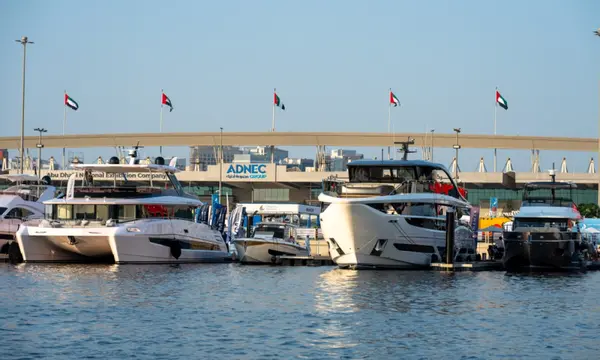
IGY Marinas has outlined a Brown & Brown-backed seminar programme surrounding the 14–17 November 2026 USVI Charter Yacht Show at Yacht Haven Grande, St Thomas, bringing insurance and regulatory questions to the forefront of the Caribbean charter season.
A St Thomas show with a practical operational agenda
The United States Virgin Islands Charter Yacht Show is scheduled for 14 to 17 November 2026 at IGY Yacht Haven Grande in St Thomas. An announcement from venue operator IGY Marinas on 4 November adds detail to the accompanying professional seminars, with insurance firm Brown & Brown supporting a programme addressing current charter business concerns. The new information is particularly relevant to managers and brokers preparing vessels for the 2026–27 Caribbean season. It is not a report of a completed event: the yachts have yet to assemble for the announced November show.
A charter exhibition serves a different purpose from a general consumer boat show. Its core audience includes charter brokers, yacht crews and the companies whose decisions shape a guest's experience after booking. Inspecting accommodation, meeting captains and sampling hospitality help brokers make informed recommendations, but the industry also needs accurate guidance about documents, cover, borders and operational exposure. The seminar announcement acknowledges that a successful charter season depends on more than an attractive yacht or an appealing itinerary. Policy details and practical compliance can influence what an operator is able to offer.
The Smart Seas programme and Brown & Brown's role
According to IGY Marinas, Brown & Brown is sponsoring the Smart Seas seminar series associated with the show. The venue's announcement identifies insurance and regulatory subjects, positioning them as business discussions for professional participants. Brown & Brown's involvement is an identified sponsorship relationship rather than a blanket endorsement of any specific policy or an assertion that the firm underwrites every yacht attending. The distinction matters in a market where coverage can depend on flag, intended cruising area, crew contracts and whether a vessel is approved for commercial use.
Professional sessions offer an opportunity to hear an insurer's perspective alongside operational authorities, yet advice must always be tied to the actual vessel and current policy wording. Two superficially similar yachts can present very different risks if one conducts paid charters and the other operates privately. A change of itinerary or named insured may matter, as may a new crew arrangement or tender activity. Attendees should regard the seminar as a way to identify questions that need answering, then obtain binding clarification from their own broker, insurer and appropriate professional advisers before committing to an itinerary.
Federal agencies and the realities of cross-border cruising
The IGY programme announcement names US Coast Guard and US Customs and Border Protection participation among its regulatory elements. For the US Virgin Islands, these are especially pertinent authorities because a yacht's charter activity, voyage history, passengers and vessel documents can intersect with federal requirements. The presence of an agency in a seminar does not itself create a new exemption or alter an existing rule. Captains and managers should treat any general explanation as context for checking the requirements that apply to their precise vessel, nationality, charter contract and intended voyage.
Movement through the Caribbean can cross territorial and customs boundaries over relatively short distances. A vessel leaving one island for another must understand where and how to report, what identification is required and whether operating permissions continue across the route. The specific treatment of a commercial charter vessel can differ from a private pleasure yacht, and crew nationality can affect immigration questions. Seminar discussions may help participants identify changes or common errors, but the operative answer should be confirmed with the agency or authorised maritime agent using current primary guidance.
An insurance briefing takes place before the show opens
One scheduling detail is easy to overlook: the IGY announcement references a hull-and-liability insurance briefing on Friday 13 November, immediately before the advertised 14–17 November show dates. This makes the session part of the surrounding professional programme rather than an extra day of public yacht displays. Interested delegates should read the organiser's schedule and confirm any separate registration, admission or capacity requirement. An article that simply lists every session as taking place during the four-day show would mislead readers planning their arrival in St Thomas.
The briefing is presented in the context of US-market insurance arrangements and charter risk. Hull cover, protection and indemnity or liability arrangements, passenger exposures and contractual obligations are distinct questions and should not be collapsed into a single headline premium. Even when a policy is described as tailored to a particular market, coverage limitations and claims conditions have to be examined closely. A commercially operated yacht should ensure that the intended activity, navigation limits, crew position and applicable legal structure are reflected correctly in the documents before guests embark.
Travel protection adds a guest-facing dimension
Travel insurance also appears in the announced seminar themes, a reminder that the guest's position is not identical to the yacht owner's insurance position. Guests may be concerned about medical emergencies, trip interruption, disrupted flights or a charter that cannot proceed as anticipated. Whether a particular product responds depends on the policy, exclusions, timing of purchase and reason for the disruption. An operator should not imply that the yacht's own insurance covers all travel losses or guarantees refunds. Those obligations must be addressed through the charter agreement and appropriate guest-specific arrangements.
This is a useful topic for brokers because an expensive yacht holiday typically involves several connected services. Guests may arrange air travel, hotel nights, transfers, specialist guides and shore experiences in addition to the yacht itself. Changes to one element can affect the entire journey. Clear communication at booking helps clients understand what is contracted, what may be optional and which contingencies are not automatically covered. A professional seminar can improve awareness, but individual policies and contracts remain the final authority on benefits, claims and responsibilities.
Why Yacht Haven Grande is a relevant host
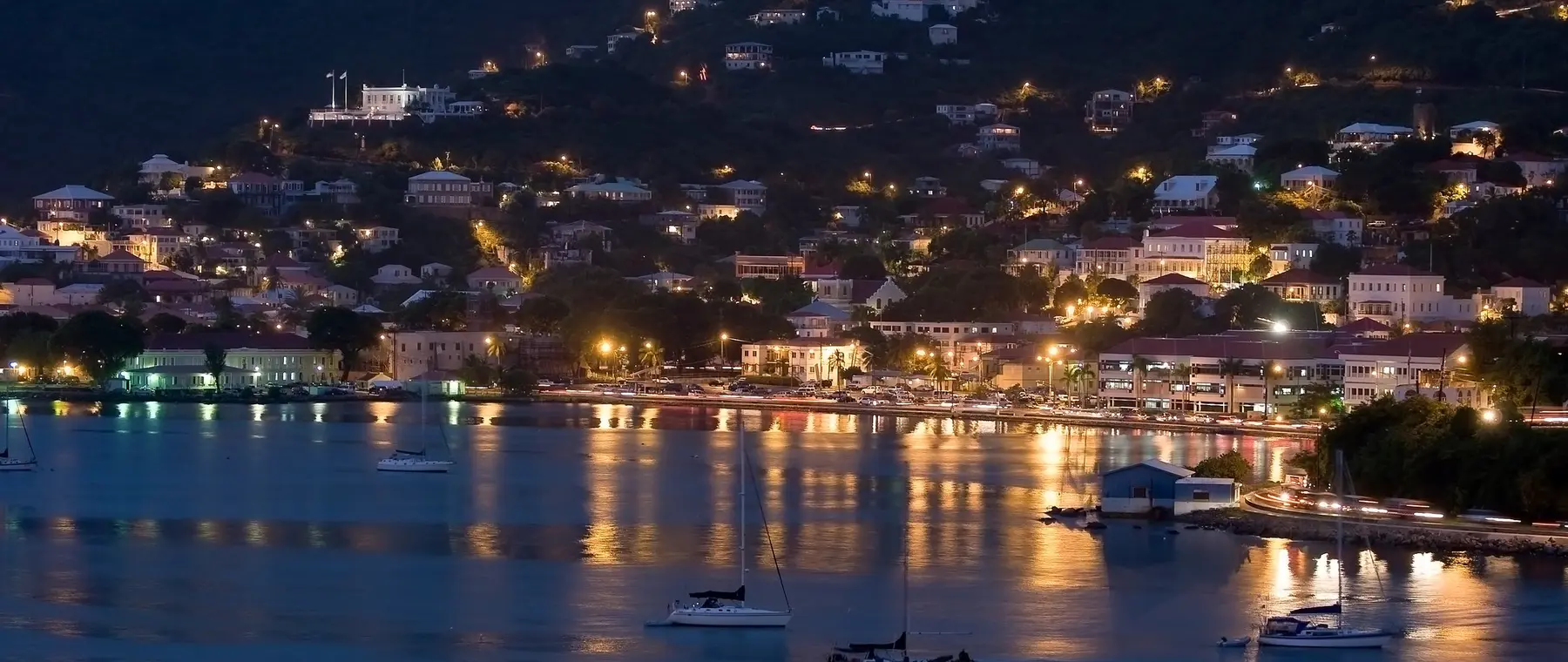
IGY Yacht Haven Grande provides the St Thomas setting for the 2026 USVI Charter Yacht Show, linking the inspection programme with an established Caribbean yacht destination. The venue announcement confirms the location and dates; it should not be interpreted as evidence that every berth is available to visiting private yachts during the show. Large vessels considering a stop need to verify dimensions, shore services and access directly with the marina. Show participation itself is subject to organiser arrangements and cannot be inferred from a yacht's presence elsewhere in the harbour.
For the surrounding economy, a charter show can concentrate demand for provisioning, transport, crew services, hospitality and specialist contractors over a relatively short period. Those are plausible channels of activity, not a quantified financial-impact claim about the forthcoming event. The more enduring value may be that brokers leave with firsthand knowledge of yachts and contacts capable of resolving operational issues during the following season. Accurate information about facilities and services is more useful than unverified promises about availability or the likely number of visitors.
Separating neighbouring Caribbean events and markets
The USVI show should not be confused with the British Virgin Islands Charter Yacht Show, whose November dates and jurisdiction differ, or the Antigua Charter Yacht Show scheduled for December. These events share elements of a Caribbean charter audience, but their locations, host organisations, vessel line-ups and operating requirements are not interchangeable. A broker comparing itineraries must understand the distinctions between United States Virgin Islands waters, British Virgin Islands waters and further Eastern Caribbean destinations. A seminar at St Thomas does not automatically explain or replace the requirements in another territory.
For owners, this distinction can shape positioning plans after a show. A yacht scheduled for the wider Caribbean winter season may need to account for cruising permissions, border reporting, weather, fuel, crew rotations and service slots when changing islands. The most useful professional conversations are therefore grounded in actual movements and realistic seasonal demand. A glossy regional map cannot substitute for the current legal and navigational position of each proposed charter. Captains and charter managers should confirm those matters before marketing any route as definitively available.
What industry delegates should verify next
As at 7 November, the confirmed development is a newly detailed set of seminars around an upcoming 14–17 November yacht show, not evidence that training has occurred or rules have changed. Delegates should consult the show's official schedule for session times and IGY's notice for the sponsor and theme information. They should also check registration requirements and the special 13 November insurance briefing before making travel arrangements. No number of completed inspections, signed charters or seminar attendees can responsibly be claimed ahead of the event.
Superyacht Guide will assess any subsequent operational announcements on their merits, distinguishing a proposed insurance product or seminar discussion from a binding regulation and a future plan from a demonstrated result. The clear value of the current announcement is its focus on a real and frequently complex part of yacht charter: how professional operators manage risks while moving vessels and guests between Caribbean destinations. That focus deserves accurate reporting because responsible charters are built on sound paperwork and preparation as well as memorable experiences afloat.
Primary documentation: IGY Marinas, official USVI Charter Yacht Show venue announcement; additional first-party details: official supporting information. As at 7 November 2026, future event schedules, hospitality offers and attendance may change. No future event outcome, sales total or regulatory change has been assumed.
Editorial illustration: File:StThomasHarbor.jpg — St Thomas harbour, US Virgin Islands, 2007 — Calyponte / Wikimedia Commons, CC BY-SA 4.0, resized; illustrative harbour view, not a 2026 show photograph. Original author and source credited under Creative Commons licence; cropped or resized for this article. This is a documented historical or location image, not a depiction of the future event or specific current hotel interiors. Share-alike derivatives remain subject to their source licence.