BLICKFANG Vienna is taking place at the MAK Museum of Applied Arts from 6 to 8 November 2026, bringing independent furniture, fashion and jewellery designers together in one of the city's best-known cultural institutions. The organiser's published material describes a carefully selected international mix, with around 150 labels from more than 15 countries. It is an opportunity to discover contemporary pieces directly from makers rather than another mass-market retail promotion. For collectors and owners who commission distinctive interiors, that direct relationship can be the beginning of a more personal conversation about materials, craft and a designer's working methods.
Independent design returns to the MAK
BLICKFANG Vienna is taking place at the MAK Museum of Applied Arts from 6 to 8 November 2026, bringing independent furniture, fashion and jewellery designers together in one of the city's best-known cultural institutions. The organiser's published material describes a carefully selected international mix, with around 150 labels from more than 15 countries. It is an opportunity to discover contemporary pieces directly from makers rather than another mass-market retail promotion. For collectors and owners who commission distinctive interiors, that direct relationship can be the beginning of a more personal conversation about materials, craft and a designer's working methods.
The event is positioned as a design fair at which visitors can discover and purchase work. It is not a conventional superyacht exhibition, and the organisers have not claimed that every displayed object is engineered for marine conditions. Its relevance to the yachting world lies in the broader interests of owners, interior architects and guests who follow collectible design. Furniture, jewellery and textiles often travel through galleries and private commissions before finding their place in a residence or onboard collection. The useful questions are about quality, authorship and suitability, rather than a label promising instant exclusivity.
Three days, one historic setting
The MAK provides the setting for the 2026 Vienna edition. The museum's own event listing confirms the dates, location and an emphasis on design quality and direct contact with designers. The organiser's programme runs on Friday 6 November, Saturday 7 November and Sunday 8 November, with published opening hours that vary by day. Visitors planning a journey should use the current ticket and event pages to confirm times, availability and any special admission conditions. Other older promotional pages show inconsistent calendar details, making the organiser's current 2026-specific page and the host museum the appropriate references.
The venue contributes more than an attractive backdrop. A museum of applied arts is a natural place to consider how a useful object can also carry a strong artistic identity. The distinction between gallery piece and everyday furnishing becomes less rigid when an independent maker explains why a form, joint or surface has been constructed in a particular way. The fair's condensed three-day format encourages focused discovery, but it also means visitors should organise meetings before arriving if they hope to discuss a substantial bespoke commission or examine work not displayed on the stand.
The appeal of buying from the maker
The organiser presents BLICKFANG as a place to meet designers directly, and that is perhaps its most valuable feature for serious private buyers. A designer can explain the origin of a material, the making process, what can be altered and whether a piece is unique or produced in a small edition. Those answers may be more informative than a broad marketing description. They also help a buyer distinguish genuine craft from a product that simply uses craft language. Where a work has been made collaboratively, it is worth clarifying who designed it, who fabricated it and how each contribution should be credited.
Direct contact does not remove the need for ordinary purchasing care. Ask for written specifications, dimensions, finish samples and a clear description of lead times. For jewellery, learn about the stones and metals actually used, the available documentation and aftercare. For furniture, obtain guidance on humidity, light, cleaning and repairs. If an object is commissioned for a yacht, the requirements become more demanding: it may need secure fixing, additional material testing or adaptation to vessel movement. A maker's willingness to discuss these practicalities is useful evidence, but technical suitability must be established separately.
Furniture with a point of view
Contemporary furniture collecting often begins with the attraction of a strong form, yet the life of a piece depends on how it is used. A seat that performs well in a domestic setting may require different upholstery, fasteners or balance when installed on a yacht. A sculptural cabinet could be exquisite but too heavy for its intended deck, or might need a new restraint system for passage conditions. These are design problems rather than reasons to abandon creative furniture. The best solution is early collaboration between a maker and the yacht's interior and engineering teams, with aesthetic decisions developed alongside functional requirements.
BLICKFANG's mix of independent labels makes it possible to compare approaches in a short visit. One exhibitor may concentrate on woodworking and visible joinery, another on metal, ceramics or an unusual surface treatment. Instead of asking which material is currently fashionable, a collector can ask how each maker uses it, whether the process is repeatable and what marks the object as authentic. Understanding construction is particularly important where a piece may eventually need restoration or a replacement component. A beautiful design can retain practical value for longer when its maker and method are properly documented.
Jewellery and wearable objects
The fair's jewellery component broadens its relevance beyond furnishing interiors. Independent jewellery can appeal to collectors who value experimentation with form and craftsmanship as much as recognised luxury-house branding. A piece created by an individual designer may have a distinctive conceptual story, but that does not remove the need to understand its materials, durability or repairability. Visitors should seek information about hallmarks where applicable, the treatment of gemstones and the availability of a maker for later adjustments. A written account of design and fabrication can be an important part of the experience of acquiring an original piece.
For travellers visiting Vienna, a jewellery or accessory purchase may also be a way to engage with an emerging creative community. That experience differs from walking into a global flagship boutique where the product language is deliberately consistent across cities. Neither approach is inherently superior; they answer different kinds of desire. The independent fair offers discovery, conversation and potentially a more direct link between creator and buyer. It is worth maintaining a realistic distinction between artistic enjoyment and financial expectations. A designer's selection for an exhibition does not guarantee future resale demand or appreciation.
Fashion, textiles and material knowledge
Fashion is another part of the BLICKFANG offering. The organisers describe an emphasis on carefully selected labels and workmanship rather than high-volume production. For owners and guests who travel between cultural capitals, the attraction may be a garment or accessory that does not appear in every international shopping district. Textiles also offer useful lessons for interior clients: fibre, weave, dye, texture and finish affect not only visual appearance but maintenance and longevity. Seeing pieces close up can reveal qualities that are difficult to judge from photographs or online descriptions.
Yacht-related applications would need a separate assessment. A handwoven textile displayed as a fashion piece is not automatically appropriate for upholstery, and a delicate surface that is beautiful in a domestic setting may not tolerate salt, sunlight or constant cleaning. That should encourage constructive conversation rather than overpromising. Interior designers can learn about a maker's aesthetic and then explore whether the studio works with specialist manufacturers or can adapt an approach for a different purpose. If the answer is no, an original item may still be perfectly suited to a private land-based collection.
A Vienna design itinerary
The MAK is centrally located, giving fair visitors the chance to combine their appointment with the museum's permanent and temporary collections. BLICKFANG's current visitor information states that a fair ticket also enables a visit to the MAK exhibition on the same day, subject to the conditions published by the organiser. Those travelling for the weekend should make sure they understand which areas and dates that admission covers. The attraction of this arrangement is an immediate comparison between applied-arts history and the choices of contemporary makers working across furniture, jewellery and fashion.
Vienna has long been associated with architectural and decorative-arts traditions, and a fair at the MAK offers a natural way to approach the city through design. For yacht owners and their guests, this is a shore-based cultural visit in the broad sense of luxury travel, not a suggestion that the city has a superyacht berth beside the museum. It may suit a private European itinerary, a design-buying trip or meetings with specialists. A successful day need not involve purchasing. Conversations with exhibitors and careful observation of materials can become valuable references for a future commission made elsewhere.
What a discerning visitor should ask
The breadth of the fair makes preparation useful. Collectors who know their interests can identify a few categories to explore, while leaving room to encounter something unfamiliar. Take measurements if considering furniture for an existing room and carry photographs or plans only when sharing them is appropriate. Ask whether a sample is representative of the finished work, whether delivery and installation are offered and what happens if the finished piece differs from expectations. For a bespoke order, a written brief with clear approvals and change provisions is the foundation of a productive relationship.
The same care applies when acquiring objects for use on board. Before ordering, consult the yacht's captain, technical manager and interior team about stability, installation, materials and the vessel's operational environment. Shipping, customs and tax arrangements may also depend on the country of purchase and delivery; these should be established with the relevant professionals rather than assumed. The excitement of discovering an independent maker is best preserved by a transaction in which authorship, scope and practical constraints are understood. Good craft deserves thoughtful commissioning, not a rushed decision based on a display label.
Why the fair deserves attention
BLICKFANG Vienna 2026 is a modestly scaled but potentially rewarding event in the international design calendar. Its around 150 selected labels offer variety without the anonymity of a vast consumer exhibition, and the MAK setting encourages a dialogue between historical applied arts and living creative practice. The current event dates are 6–8 November, making this a time-sensitive opportunity rather than an exhibition that can be postponed for months. Visitors should confirm same-day admission and programme details before travelling, particularly if they plan to meet an individual designer.
For Superyacht Guide's lifestyle readers, the underlying lesson is broader than any single fair: individual taste becomes more compelling when collectors understand how things are made and who is responsible for making them. Independent design can add originality to a home, a personal collection or, with proper technical assessment, a yacht interior. BLICKFANG provides a practical starting point for those conversations. It invites discovery through objects and direct human contact, while leaving the necessary engineering, logistics and commercial checks to follow before a commission is placed.
Primary source: original announcement; corroborating source: additional first-party or industry material. Report dated 7 November 2026. Announcements and operating plans may change; editorial interpretations are distinguished from confirmed facts.
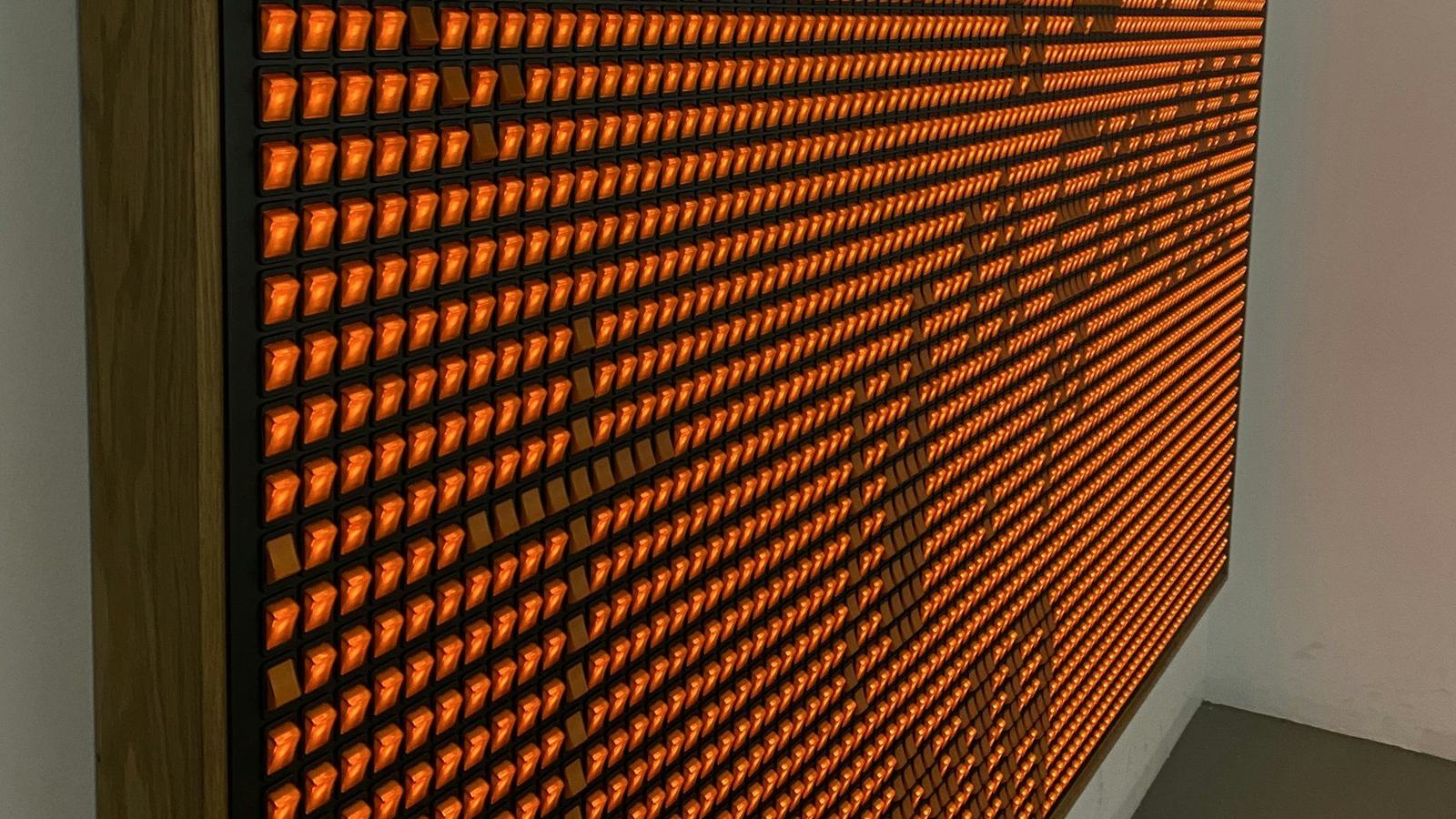
Editorial photograph: photographer and original image — steffen wienberg / Unsplash License; 2022 installation at MAK Vienna; illustrative venue view, not BLICKFANG 2026 exhibitors. Cropped and resized under the Unsplash License. Illustrative photograph only; it does not show the 2026 event or named product.
Source
www.mak.at