Works by Louise Bourgeois, Cindy Sherman and other women artists form unexpected dialogues around memory, self-image and identity at Phillips’ October New York Editions auctions.
A collecting conversation across generations
Phillips has turned attention to a selection of works by women artists in its October 2026 New York Editions and Works on Paper auctions. Rather than placing the pieces together solely through a shared gender category, the auction house explores the visual and conceptual conversations between artists whose methods differ considerably.
Louise Bourgeois, Cindy Sherman, Susan Rothenberg and Yayoi Kusama appear among the makers considered in the preview, which links memory, portraiture and personal identity. The opportunity for collectors is to consider how ideas echo from one object to another without assuming their creators shared the same intentions.
Editions and works on paper can provide entry points into the careers of major artists, but the word edition encompasses a wide range of materials, production practices and levels of rarity. A buyer needs to understand the specific work rather than treating all prints or multiples as equivalent.
Bourgeois turns a house into a vessel for memory
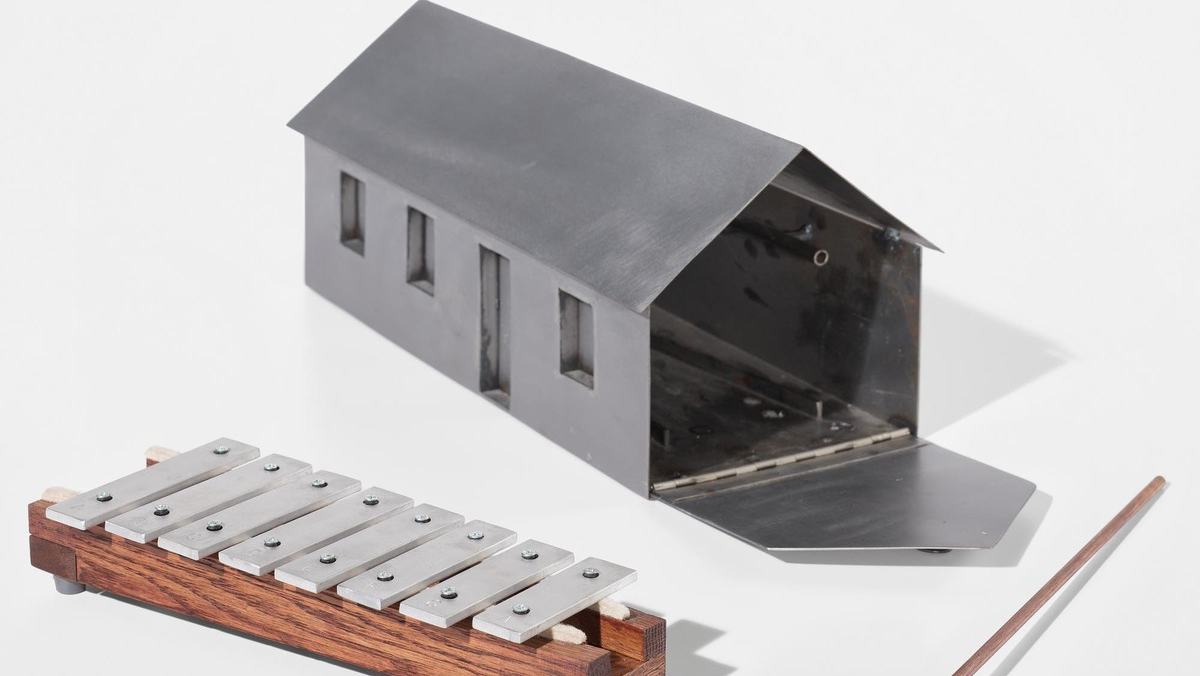
Bourgeois’s Easton, Connecticut, USA takes the form of a small house that incorporates a xylophone, linking domestic architecture with childhood recollection and sound. Phillips relates the work to the artist’s memories of family life and to musical themes that became part of her practice.
The artist’s studio has explained the connections to the family home and to memories associated with lullabies. The combination gives the piece an emotional dimension not immediately obvious from its outward scale or construction, and it encourages viewers to consider how sculpture can represent personal history.
For prospective collectors, the material condition of a sculptural multiple requires careful study. Mechanical or interactive elements, the integrity of the surface, edition documentation and any original accompanying components can all influence conservation requirements and future display.
Portraiture can question the role of the viewer
Sherman is celebrated for images in which she adopts poses and constructed identities that draw upon familiar visual stereotypes. Works such as Untitled (Doctor and Nurse) invite the audience to examine the conventions through which people are represented and categorised in photographs and popular culture.
Rothenberg offers a different visual language through drawing and printmaking, while Kusama’s repeated forms create another pathway into the relationship between image and perception. The connections identified by Phillips are interpretive, not evidence that these artists collaborated on the pieces now offered.
A photograph, print or multiple also has its own technical history that matters to collectors. Paper quality, colour stability, framing and exposure to light can affect preservation, and an original signed impression may be valued differently from a later or unsigned example.
What buyers can learn from a mixed preview
The New York presentation makes it possible to compare artworks that might normally be separated by technique or specialist market. Looking across categories can help reveal recurring concerns in artistic practice, but it should not obscure the particularity of each maker’s methods and historical setting.
Collectors should ask for print and edition numbers, provenance, condition photographs and details of past restoration before placing bids. Estimates are guides to an auction process rather than declarations of an object’s intrinsic or certain market value.
Phillips’ editorial approach is useful because it encourages close looking instead of reducing the works to names and prices. The strongest collecting decisions are still those supported by documentation and an understanding of the individual artist, not the promise of a broad trend.
Source
Phillips Editorial