A considered superyacht excursion to Tasmania's Bruny Island, with wildlife, Cape Bruny Lighthouse, celebrated local producers and coastal seamanship.
Southern Tasmania's quieter side
Bruny Island is a compelling superyacht excursion because it joins wilderness, fine food and maritime history without relying on a formal resort setting. Just off Tasmania's south-east coast, it is effectively two islands linked by a narrow neck of land. North Bruny has a gentler rural character, while the southern side becomes increasingly rugged, with tall sea cliffs, broad beaches and the protected South Bruny National Park. The landscape makes a persuasive destination for guests who want nature to shape the schedule.
A yacht adds flexibility to an island visit but does not remove the normal responsibilities of coastal seamanship. The waters around south-eastern Tasmania can be exposed, and a picturesque cove is not automatically an appropriate anchorage for a large vessel. The master should review current hydrographic information, tide and weather conditions, vessel dimensions and local restrictions before committing to a passage. Shore plans should remain adaptable enough to move between tender visits, organised excursions and a land-based approach.
The Neck: two landscapes in one view
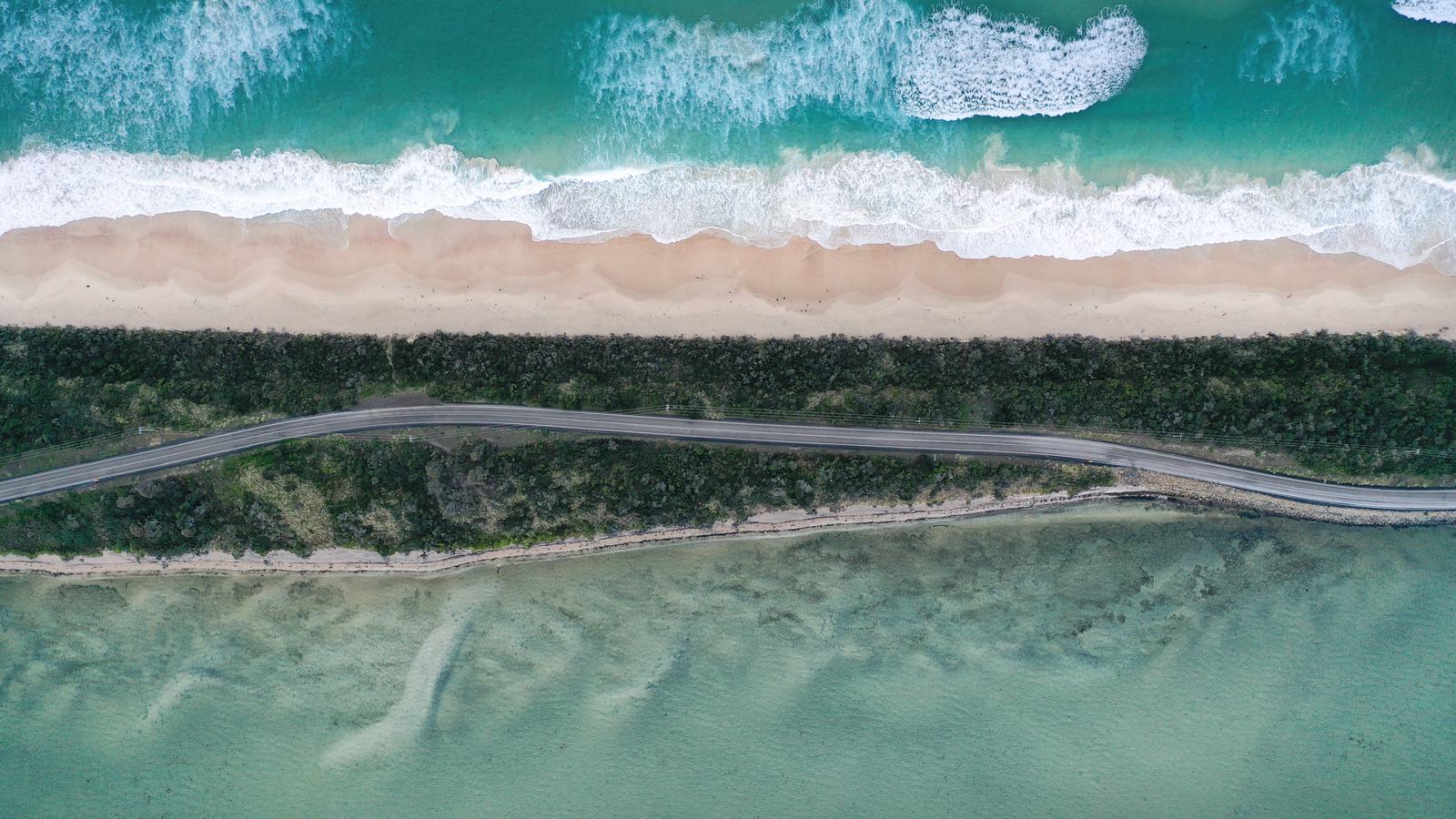
The Neck, the narrow isthmus between North and South Bruny, is among the island's most recognisable features. Truganini Lookout provides a broad perspective on the land bridge, the surrounding beaches and the bays on either side. The sense of scale is striking: a relatively slim section of land joins two much larger landscapes while open water remains dominant in every direction. For guests interested in photography, this is a place to pause and study changing light rather than rush through.
The Neck is also an important habitat for little penguins and short-tailed shearwaters. Discover Tasmania advises visitors to observe from the appropriate boardwalk and viewing platform, keep clear of burrows, avoid flash photography and use only dim red lighting where needed. Wildlife-viewing times depend on season and conditions, and sightings are never guaranteed. A specialist guide can ensure that the excursion respects the animals, which is more valuable than turning the encounter into an improvised photo session.
Cape Bruny Lighthouse and the history of safe passage
The Cape Bruny Lighthouse gives the island a powerful maritime centrepiece. Tasmania's Parks and Wildlife Service dates its original construction to the 1830s, on dramatic cliffs above the southern coast. The lighthouse and its museum tell stories of shipwrecks, construction in difficult country and generations of keepers who maintained navigation lights in harsh conditions. It is a particularly suitable visit for experienced yachtsmen, whose appreciation of modern equipment is sharpened by the labour once required to keep mariners safe.
The public grounds can be visited in accordance with park rules, while climbing the lighthouse itself requires joining a guided tour. Access involves a steep path, and the state authority warns of unprotected cliff edges, so guests need appropriate footwear and supervision for children. A valid parks pass is required for national park entry. Private or sunset arrangements must be confirmed with the operator rather than promised on the basis of general promotional information.
A food itinerary rooted in local producers
Bruny's other great strength is its food landscape. Discover Tasmania points visitors towards local oysters, artisan cheese, honey, chocolate, wines and whisky, all produced or showcased on the island. Such a selection makes a refined, place-specific programme possible without an extravagant restaurant booking. A chef aboard a superyacht might arrange a tasting of legitimately sourced products, but the guests should also have time to meet producers and understand the local craft where visits are offered.
The island's businesses are relatively small and demand varies with season, so reservations and collection arrangements matter. Oyster tasting, for example, should be offered only where the producer can confirm food safety and current availability. Guests with dietary restrictions deserve a thoughtful alternative rather than being asked to accept a fixed tasting menu. Local wines and spirits can be explored selectively, with no expectation that every visitor drinks alcohol. The point is to discover the island's character through its producers, not to accumulate branded stops.
South Bruny National Park and coastal walking
The southern island rewards exploration on foot. Coastal routes such as the Fluted Cape Walk and Labillardiere Peninsula Walk introduce visitors to contrasting landscapes, while Cloudy Bay and Cape Queen Elizabeth provide different expressions of the coast. Some walks are long or exposed, and steep ground can be inappropriate for guests expecting a gentle excursion. The day's route should be selected for fitness, weather and access conditions, with a realistic return time and adequate drinking water.
Wildlife adds another dimension to the protected landscape, including the island's famous white wallabies. Observations are best made patiently and from a distance, without feeding animals or pursuing them for photographs. Tasmania's protected areas have their own rules on access, wildlife and park passes, so the crew should check the current state guidance before organising a party. The most memorable shore visit may be a short, well-interpreted walk rather than a strenuous crossing of multiple headlands.
The sea cliffs from the water
Bruny's southern cliffs are spectacular from offshore, rising above the Tasmanian seas in great walls and fractured headlands. Discover Tasmania highlights specialist half-day boat excursions as a way to experience the coastline and its marine wildlife. For superyacht guests, a locally guided excursion may offer an informative alternative to running the yacht's own tender close to cliffs and caves. The operator's local knowledge, appropriate vessel and weather limits should all be part of the selection process.
Sea conditions may change quickly around exposed headlands, and reflected swell can make a close approach uncomfortable or unsafe. Guests should be briefed about spray, motion and the possibility of cancellation. Wildlife such as seals or seabirds may be encountered, but no operator can guarantee a sighting, and respectful distances remain essential. A captain who elects to appreciate the scenery from farther offshore has not diminished the experience; they have placed sound judgement above a photograph.
Building a two-day Bruny programme
A thoughtfully paced first day could begin with an approach to suitable waters near the northern island, followed by an arranged shore transfer and an exploration of the island's food producers. An afternoon at the Neck offers broad views and, if appropriate to the season, a carefully managed twilight wildlife visit. The yacht then provides a comfortable base for a dinner built around Tasmanian ingredients. Weather may dictate a different landing method or an earlier return, and the programme should allow for that without fuss.
The second day can focus on South Bruny National Park, with a lighthouse tour for those who enjoy maritime history and a shorter walk for guests who prefer nature at an easier pace. A specialist coastal excursion is an option if conditions allow. Guests who have already spent substantial time on land might simply want an afternoon aboard, watching the light move over the island. Not every distinctive destination needs to be turned into a fully booked day.
Logistics and a light footprint
Bruny is reached by regular vehicle ferry from Kettering, allowing shore-based operators and transfers to support a superyacht itinerary when direct tender access is unsuitable. However, travelling by road takes time, and the southern landmarks are not adjacent to the ferry arrival point. Build those transfers into the day rather than treating the island as a tiny harbour destination. Confirm opening times and whether any experience can accommodate a group before promising it in a guest itinerary.
The island's protected areas and wildlife require consideration from visiting yachts. Use designated access facilities, minimise disturbance from tenders, dispose of waste properly and avoid promising wildlife encounters as entertainment. For the master, current navigation, port rules and weather remain the basis of every maritime decision. For guests, the reward is a rare combination of wild Tasmanian coastline, authentic producers and lighthouse history. Bruny's luxury lies in its distinctiveness, not in changing the island to resemble somewhere else.