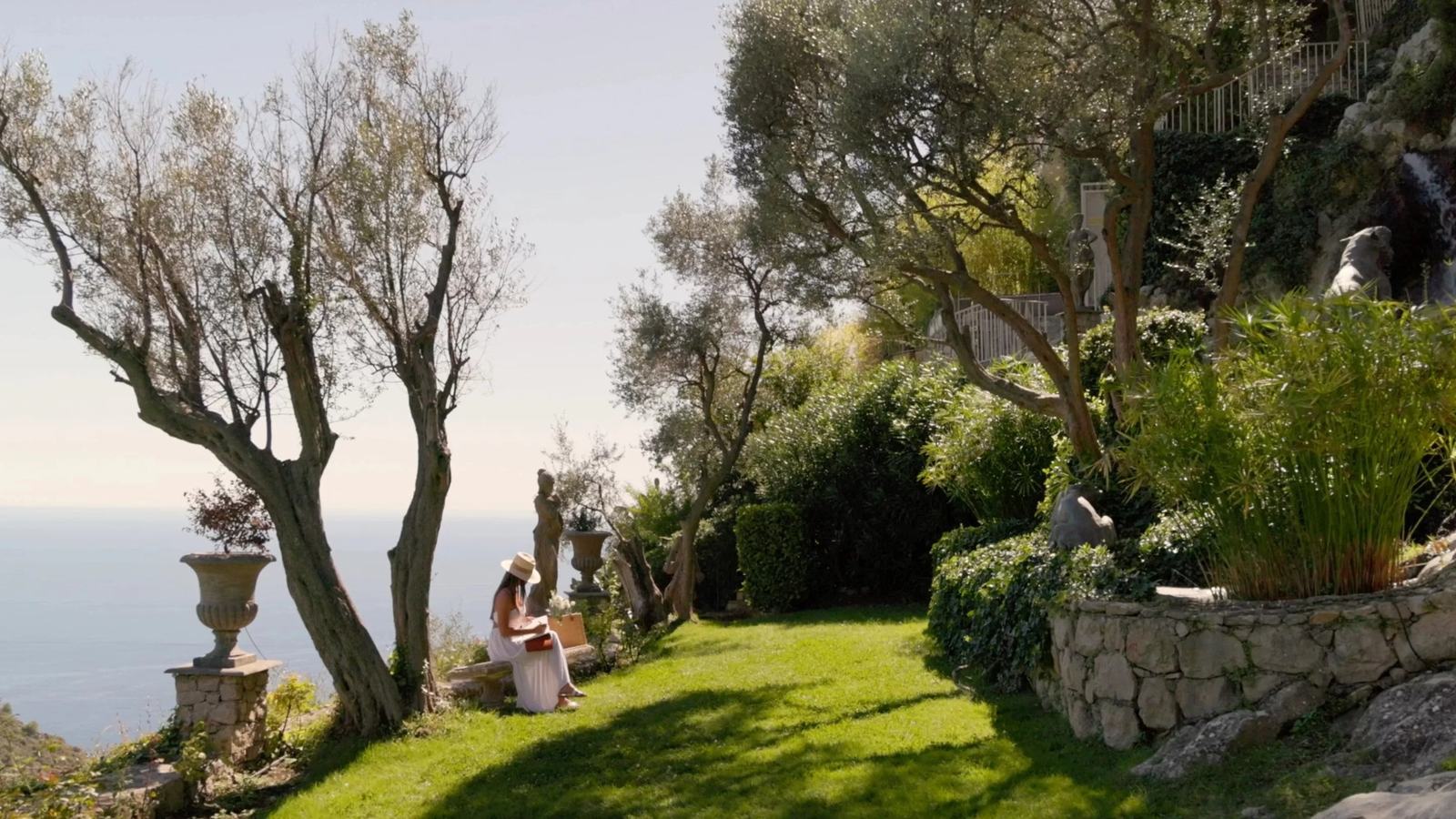
Èze's Château de La Chèvre d'Or has received three MICHELIN Keys in 2026. We explore why its cliffside hotel, gardens and fine dining merit a carefully planned Riviera superyacht shore visit.
Three Michelin Keys above the Mediterranean
Château de La Chèvre d'Or in Èze has joined the top tier of the 2026 MICHELIN Key hotel selection, receiving Three Keys from the MICHELIN Guide. The hotel announced the distinction on 26 September and Michelin's own current hotel listing independently confirms it. For owners and guests cruising between Monaco, Beaulieu-sur-Mer and Saint-Jean-Cap-Ferrat, the address is a distinctive high-level shore experience rather than another marina-side restaurant.
The hotel occupies the medieval hilltop village of Èze, with rooms, gardens and terraces integrated into the stone-built landscape above the Côte d'Azur. Its setting adds a compelling sense of place to the award: it is deliberately different from a self-contained beachfront resort. For a superyacht party, the visit works best when the village and hospitality experience are treated as a destination in their own right, with enough time to appreciate the journey up from the coast.
What the hotel's Three Keys actually recognise
MICHELIN Keys recognise hotels, not the performance of their restaurants. Three Keys is the Guide's highest hotel distinction and represents an exceptional stay defined by the property's character, service, comfort and overall experience. The award therefore should not be confused with the Michelin stars awarded to fine-dining restaurants, even when a property happens to hold honours in both systems.
The hotel's own announcement describes the recognition as belonging to its entire team, from concierge and housekeeping to gardens, sommellerie and dining. That broad emphasis is useful to owners who regularly experience well-designed yachts: an attractive setting is only the beginning of luxury hospitality. The memorable difference lies in anticipating guest needs, maintaining privacy and delivering consistent service without turning every encounter into a formal performance.
A village hotel with forty-five rooms and suites
MICHELIN's 2026 hotel guide describes forty-five rooms and suites embedded throughout the medieval village, an unusual arrangement when compared with a conventional hotel tower. Accommodation is therefore not simply a question of choosing a floor or a view category. Guests should confirm the location, access requirements and layout of the exact room or suite they book, because the charm of a historic village can also mean differing levels and steps.
This dispersed structure offers an appealing contrast to a yacht, where a guest's suite and dining rooms are connected by the vessel's own passageways. Here the walk through stone lanes and terraces becomes part of the experience. For a group arriving from a large yacht, splitting across multiple rooms may provide privacy while retaining a shared sense of place, but the allocation should be discussed carefully with the concierge before the booking is final.
Gardens, pools and an elevated Riviera perspective
The property is famous for the gardens and terraces that cling to the limestone hillside high above the Mediterranean. MICHELIN singles out two pools set against the rock face and sweeping views towards Saint-Jean-Cap-Ferrat. The landscape is not a backdrop that can be swapped for another fashionable destination; it is a principal reason to make the journey into Èze.
A quiet afternoon here can have a different appeal from another hour aboard the tender or at anchor. Walks through landscaped areas, changing views across the coast and time beside the pool offer a slower tempo after a series of busy ports. Visitors should verify which spaces are reserved for overnight guests and which are open to restaurant patrons, because access rights need not be identical for every person in a visiting yacht party.
Gastronomy under Tom Meyer's direction
Executive chef Tom Meyer leads the château's culinary programme, while the hotel's signature La Chèvre d'Or restaurant holds two Michelin stars. Those restaurant stars recognise cuisine and are entirely separate from the new Three-Key hotel rating. The distinction matters when a captain is asked to organise a celebratory lunch or dinner: a dining reservation does not automatically include hotel accommodation, wellness access or use of private guest spaces.
The hotel's gastronomy extends beyond the signature dining room to other experiences including Les Remparts and Le Café du Jardin. Menus, dress expectations and the available indoor or outdoor seating can differ, and the signature restaurant's reservation information explicitly describes indoor dining with seating assigned according to availability. Guests seeking a particular sea view or terrace should ask in advance rather than assume that every restaurant table delivers the same prospect.
A yacht-to-shore visit requires a ground transfer
Èze Village is perched above the shoreline and does not offer a direct superyacht berth at the door of the château. A practical visit therefore begins with a legitimate marina or tender landing in the relevant coastal port, followed by a vehicle transfer to the village approach. Monaco, Beaulieu-sur-Mer and the wider Cap-Ferrat area can form sensible points of departure, but the actual landing and route must be selected for the yacht's position and local operating conditions.
Captains arranging the programme should account for the narrow historic setting, guest mobility and the distance between vehicle drop-off and the relevant hotel entrance or restaurant. A group with walking limitations may need bespoke assistance or a different itinerary. The hotel's concierge is best placed to advise on arrival arrangements, while the vessel's captain remains responsible for the legality and safety of the tender movement ashore.
Seasonal opening matters on an October itinerary
One crucial practical point is that the château operates seasonally. Its own 2026 dining-voucher terms identify the operating season as 9 April to 24 October 2026. Travellers planning a late-October visit should therefore check availability directly and should not assume the hotel is accepting bookings. Any proposed return in 2027 should be confirmed against the property's official opening calendar before guests build a Riviera cruise around a dining or overnight reservation.
That seasonal rhythm can be turned into a planning advantage. An owner intending to spend spring or summer on the French Riviera can choose a less hurried weekday and arrange the restaurant and accommodation elements ahead of time. A booking team should verify cancellation terms, room configuration, the precise opening dates and whether dining and hotel services begin on the same day, rather than rely on information carried forward from an earlier season.
An intelligent alternative to the harbourfront social circuit
Superyacht cruising offers rare freedom to visit celebrated coastal addresses, but repetitive restaurant hopping can make very different ports feel unexpectedly similar. Èze provides a counterpoint: history, hillside architecture, garden design and a recognised gastronomic programme away from the immediate bustle of the harbour. That is why the Three-Key award is relevant to yacht lifestyle editorial rather than simply another trophy in the luxury-hotel calendar.
Guests interested in art and architecture may find the contrast particularly rewarding. A modern superyacht is often defined by engineering precision, advanced glazing and carefully choreographed circulation, whereas the château is shaped by centuries of village fabric and irregular terrain. Both can deliver privacy and thoughtful hospitality, yet each creates a different relationship with the Mediterranean landscape.
Plan the visit around the experience, not the accolade alone
The 2026 Three-Key recognition places Château de La Chèvre d'Or among the MICHELIN Guide's most distinguished hotels, but an award does not remove the need for careful planning. A good yacht-to-shore itinerary should specify the reservation, transfer arrangements, accessibility needs and the guest's preference for fine dining, an overnight retreat or time in the gardens. Those details determine whether an exceptional location becomes an exceptional personal experience.
For a Riviera cruise next season, the château merits a place alongside the region's art collections, private villas and historically significant shore destinations. The hotel and the MICHELIN Guide provide the authoritative sources for its current honours, while the property's reservations team can confirm future dates and access. The essential attraction is the combination of elevated setting, individual hospitality and the distinctive atmosphere of Èze—not merely the number of awards beside its name.