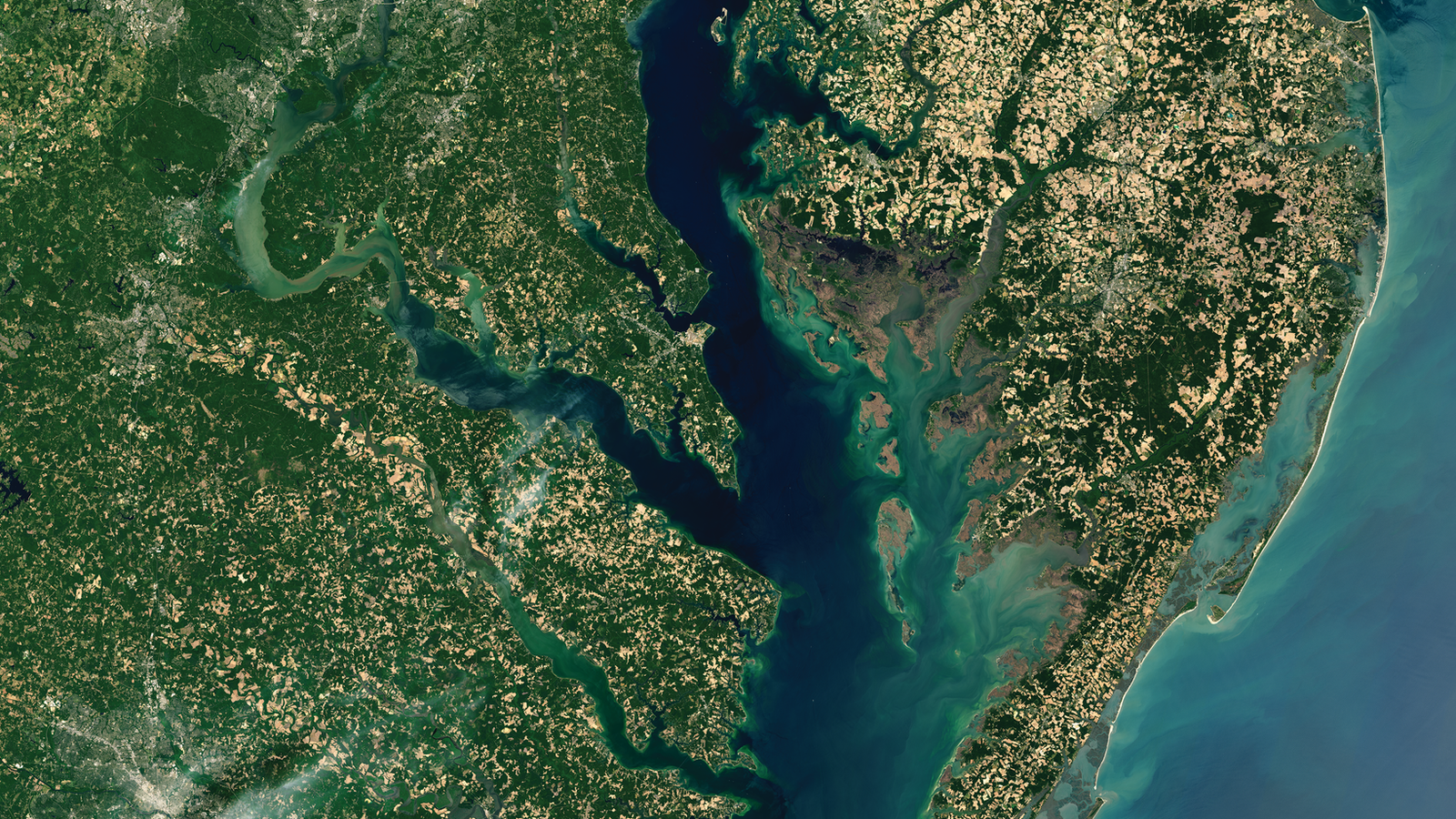
An informed superyacht exploration of Chesapeake Bay combines Annapolis sailing heritage, the St. Michaels maritime museum, tailored hospitality and careful environmental planning.
A superyacht itinerary with an American maritime character
The Chesapeake Bay offers a different proposition from the Mediterranean’s celebrated coastal circuits. Its scale is immense, its shorelines are thick with maritime history, and its ports have their own distinctive rhythm. For a superyacht owner interested in heritage, private hospitality and the working culture of the water, the region offers an unusually rewarding alternative to a sequence of beach clubs.
The experience calls for careful preparation. Much of the bay consists of broad but relatively shallow estuarine waters threaded by channels, tributaries and tidal shoals. A vessel comfortably able to cross an ocean cannot assume it will fit every creek or historic waterfront, so the captain should select deep-water approaches and suitable berth arrangements before describing a stop as accessible to the owner’s yacht.
Annapolis: heritage, sailing and shore life
Annapolis is a natural cultural introduction, with a waterfront shaped by sailing, naval history and its role as Maryland’s capital. Official destination guidance identifies several ways for visiting boaters to come ashore, including City Dock arrangements coordinated with the harbormaster and mooring options close to the historic centre. The key for a superyacht is verifying its own length, draft and service requirements rather than assuming transient small-boat facilities are suitable.
A day in Annapolis can be organised around historic streets, thoughtful dining and time to observe the bay’s active sailing community. The atmosphere differs from a polished resort promenade, and that is part of its value. Guests who enjoy nautical heritage may find the city more rewarding when a local guide connects waterfront landmarks to the working port and the communities that have navigated these waters for generations.
St. Michaels: a waterfront museum with a living shipyard
Across the bay, St. Michaels provides a contrasting stop that rewards a slower programme. The Chesapeake Bay Maritime Museum occupies a waterfront site on the Miles River and includes exhibitions, a historic vessel collection and a working shipyard. Its official visitor guidance identifies the location as accessible by water, although its own marina is for members and must not be assumed available to a visiting yacht.
The strongest shore excursion here is interpretive rather than hurried. Guests might explore traditional Chesapeake craft, learn why working boats developed for local fisheries and appreciate the human effort involved in keeping historic vessels alive. The museum’s position within St. Michaels also makes it easy to combine the visit with time in the town, if the yacht’s tender or transport logistics have been carefully arranged.
A coastline of tributaries rather than a single passage
What makes the Chesapeake exceptional is that its apparent single expanse of water branches into many distinct journeys. Rivers, wooded creeks, villages and historic towns create possibilities for repeat visits that need not resemble one another. The captain should approach each intended detour as a new pilotage exercise, examining depth, bridge clearance where relevant, tide, current and safe turnaround space.
For a large motor yacht, a deep-water berth may be the sensible base, with approved shore transportation or a suitable tender used for more intimate exploration. That choice can preserve privacy while avoiding an unnecessary gamble with a narrow channel. The bay is best enjoyed when itinerary design starts from sound navigation and works outward to guest experiences, not when a desirable restaurant dictates the route.
The environmental rules matter as much as the scenery
Chesapeake Bay water quality is a central concern for local agencies, and visiting yachts must account for Maryland’s designated No Discharge Zones. The Maryland Department of Natural Resources explains that discharging boat sewage is prohibited in those specific waters, including treated sewage from Type I or II marine sanitation equipment. Annapolis and waters of Anne Arundel County, the Chester River and several other areas are among those identified by the state.
A captain should plot the relevant boundaries and brief engineering staff on holding-tank and sanitation-system procedures before arrival. The state advises securing treat-and-release equipment in a No Discharge Zone and using appropriate pumpout facilities ashore. These are practical operating requirements, not a conservation badge to add after an itinerary has been marketed, and individual vessel systems may need a specialist compliance review.
The importance of reliable shore-side services
The bay’s established boating infrastructure is an advantage, but a superyacht’s requirements differ sharply from those of a typical weekend cruiser. Deep draft, shore power, bunkering, security, provisioning and crew transfers need advance confirmation with the specific operator. Official Annapolis visitor information lists numerous marinas and shipyards around the region, yet that abundance should not be mistaken for a guarantee of a berth suitable for every yacht.
Marine services and the owner’s social programme should be coordinated rather than considered separately. A working day alongside may be the right opportunity for guest excursions, while a technical visit to a remote inlet is unlikely to be efficient. A well-chosen central base can make the voyage feel relaxed because the crew has real options when weather or guest preferences change.
Nature and observation without pressure on wildlife
The Chesapeake landscape has its own understated drama, especially in the early light when waterways, marshes and wooded shorelines draw long reflections. Birdlife, working vessels and traditional shoreline communities create opportunities for photography and quiet observation. Guests should understand that wild animals and sensitive habitats are encountered on their own terms rather than approached for a closer view or a staged photograph.
The bay is a shared working ecosystem, not an exclusive playground. Responsible tender operation means respecting no-wake areas, local fishing activity, protected habitat and everyone else’s access to the water. A captain who builds in unhurried time for observation is likely to provide a richer experience than one who treats the entire shoreline as a sequence of obstacles on the way to the next destination.
Dining and hospitality with a sense of place
The region’s culinary identity is closely associated with the waters around it, but a luxury programme need not be limited to a single seafood expectation. Hosts can seek restaurants that work with seasonal regional ingredients, thoughtful vegetable-led menus and Maryland producers. Reservations should be made around actual arrival windows, with realistic transport times from the berth or tender landing to the dining room.
A private-chef evening aboard can work just as well, particularly after a day devoted to local history. An interesting itinerary alternates shore experiences with time to enjoy the yacht, rather than making every meal another logistical operation. Guests may value the bay most when they can spend a long evening talking about the places they have seen without the pressure of an early departure.
Weather, tides and seasonal planning
The bay’s weather is more varied than a sunny marina photograph suggests. Summer heat, thunderstorms, wind against tide and reduced visibility can reshape plans, while cooler seasons bring different conditions and quieter shore experiences. Yacht managers should establish the preferred cruising window with the captain and local specialists, using contemporary marine forecasts and current charts rather than generic travel-season advice.
Shallow-water navigation increases the cost of an overly ambitious day, and passage timing may depend on more than the total number of nautical miles. Even with modern electronics, a bridge team needs conventional pilotage discipline, reliable depths and a contingency for an unexpectedly unavailable berth. Owners should receive an itinerary that distinguishes genuine commitments from attractive possibilities.
The Chesapeake as an invitation to return
The bay rewards a style of superyacht travel built on curiosity. Annapolis brings an active maritime city; St. Michaels brings an extraordinary local museum and shipyard; the rivers and shorelines between them give a sense of a region still connected to its water. It is entirely reasonable to visit only a few well-chosen places on a first trip and leave further creeks and towns for another season.
The accompanying official NASA Landsat mosaic combines imagery acquired in May 2026 and illustrates the bay’s scale and branching geography. It is a visual introduction rather than a navigational chart or a depiction of current weather conditions. For owners and captains, the best Chesapeake programme begins with verified berthing, depth and environmental obligations, then makes room for the heritage and quiet pleasures that set this coastline apart.