Christie's returns to the market for Japanese animation art with original Pokémon, Akira and Dragon Ball cels and Studio Ghibli material in its October online sale.
Animation art enters a major auction house again
Christie's has opened a second edition of Anime Starts Here: Japanese Subculture Reimagines Tradition, with online bidding from 9 to 22 October 2026. An exhibition at the auction house's Rockefeller Center galleries in New York is scheduled from 8 to 12 October. The sale includes production materials and collectibles associated with Pokémon, Dragon Ball, Akira and Studio Ghibli, following the success of an earlier event in March.
That March sale reportedly totalled US$1,442,466, roughly four times its low estimate, showing interest in a collecting field once dismissed as outside the traditional boundaries of fine art. A strong aggregate result does not mean every animation cel is equally rare or valuable. Collectors should understand a work's production function, condition, provenance and whether it actually appeared in a finished sequence.
Pikachu and Akira show how broad the market is
The October highlights include an original Pokémon cel of Pikachu associated with a first-season episode, estimated at US$2,000 to US$3,000. Christie's also names an animation cel depicting Kaneda riding his motorcycle from the 1988 film Akira, estimated at US$5,000 to US$7,000, and material from Dragon Ball Z: Fusion Reborn. The works span television episodes and feature films, with very different production and collecting histories.
These estimates may be modest relative to major contemporary paintings, but the historical importance of an image is not captured by price alone. A production cel can mark a recognisable moment within a film or series and may be one of many layers used to complete the frame. Distinguishing original production art from promotional reproductions is essential for serious acquisition.
Studio Ghibli expands the visual language
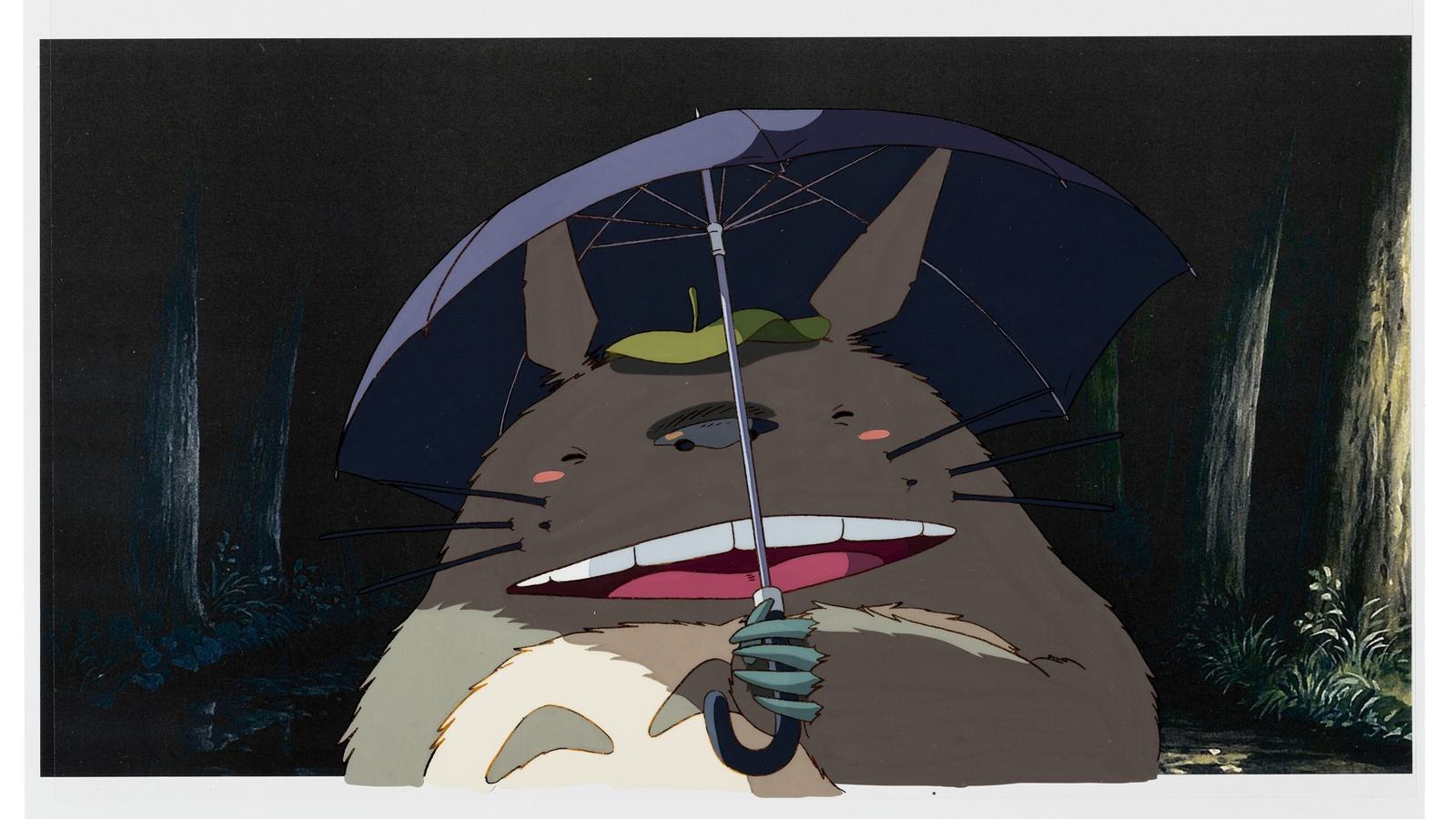
The sale references drawings and cels linked to My Neighbor Totoro, alongside a wider selection of Japanese animation and original drawings by Osamu Tezuka. These artists and studios helped establish imagery that has meaning across generations and countries, bringing new audiences into the art market. Viewing the objects physically offers insight into line work, paint application and the practical demands of hand-produced animation.
A wealthy collector accustomed to buying established blue-chip names may find the field unfamiliar. Specialist advice can help determine whether a work is studio-issued, screen-matched or associated with an identifiable production period. The existence of multiple versions, working drawings and background elements should be considered rather than treating every work with a famous character as interchangeable.
Conservation is central to ownership
Traditional animation cels can combine painted plastic sheets, paper backgrounds and adhesives that respond differently to light, temperature and moisture. Poor framing can cause warping, pigment loss or sticking between layers. A major private collection needs storage and display recommendations from conservators experienced with animation materials, not just an ordinary picture-framing service.
The cultural value of a production drawing can be significant even if the object is fragile. Owners planning gallery displays might rotate objects and limit light exposure, while preparing documentary photography for research or insurance. Catalogue notes and condition reports should identify previous mounting or separation work wherever it is known. Repairs may change the market's assessment of an otherwise desirable image.
The next generation of collecting
Christie's has positioned the October sale around animation itself rather than only contemporary artists who quote Japanese popular culture. This approach helps establish the original creators, studios and production processes as subjects worthy of collecting in their own right. A successful collection could combine important storyboard drawings, background paintings, cels and published references in a coherent historical narrative.
Bidding remains open until 22 October, and the published estimates exclude relevant premiums, taxes and shipping charges. Those acquiring the work internationally should review contractual ownership and permitted reproduction rights, which are not necessarily conveyed with a physical drawing. The forthcoming results will indicate current market demand; the lasting achievement is to preserve material from a medium that shaped global visual culture.
Source
Christie's Press Office