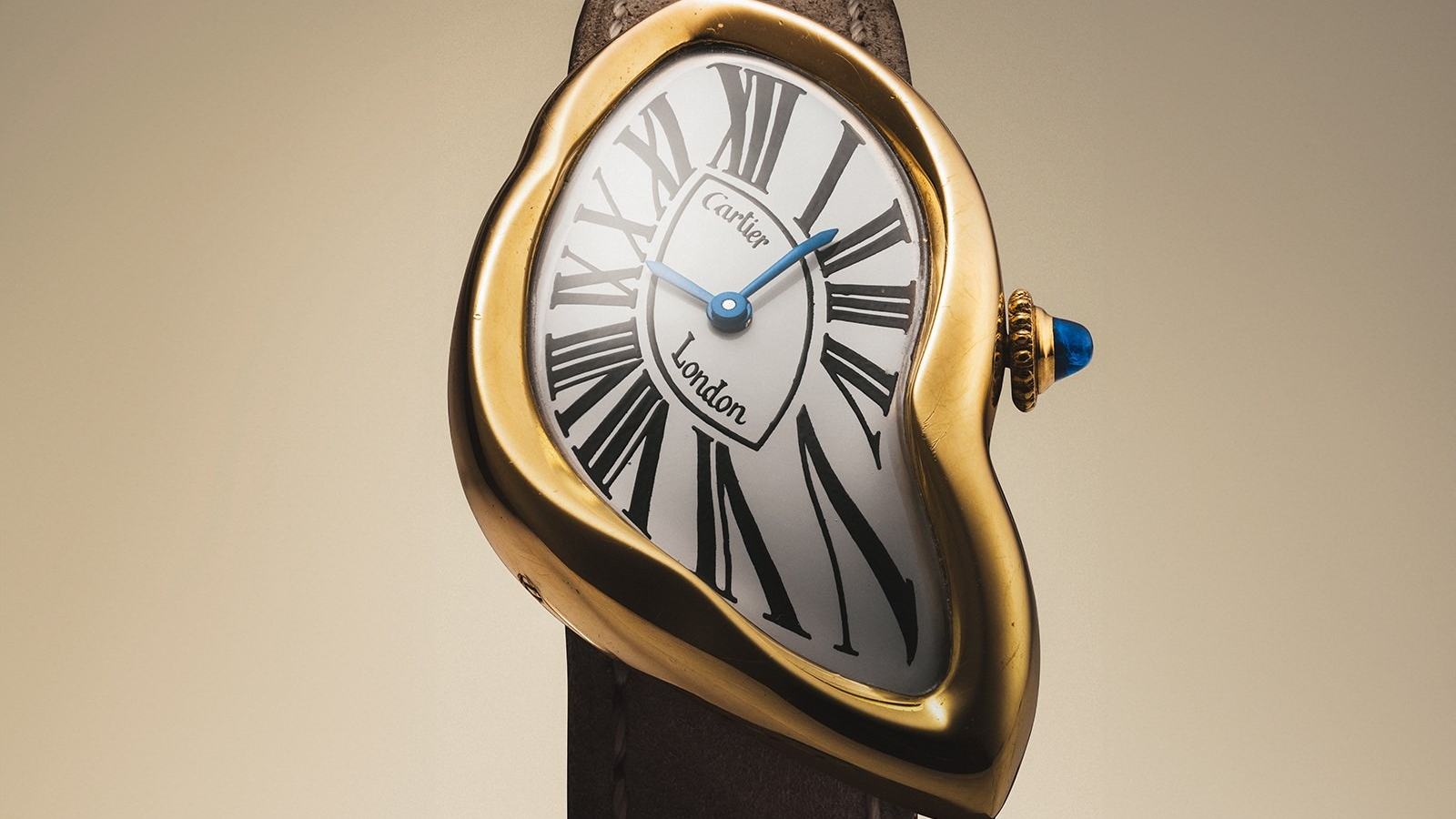
Christie's returns to Geneva with a rare-watch auction on 9 November 2026, following a spring sale that totalled CHF33.1m and achieved a 99% sell-through rate.
Geneva's autumn watch calendar takes shape
Christie's has confirmed its Rare Watches Including Watches for ELA auction in Geneva for 9 November 2026, giving watch collectors another date in a concentrated European autumn season. The auction house points to its May Geneva sale, which achieved CHF33.1 million and a ninety-nine-per-cent sell-through rate, as context for the next event.
That spring result is a historical benchmark, not a promise of the value or success of the November catalogue. Individual sale totals depend on the precise mix of important vintage pieces, condition, estimates and competition. Even a very high sell-through percentage can conceal wide differences in performance between rare exceptional objects and more ordinary examples.
Independent watchmaking shares the stage
The forthcoming sale is described as including vintage icons and pieces from independent watchmakers, two collecting fields that attract overlapping but distinct audiences. Collectors of established houses may concentrate on reference history and variations in dial, case and movement; enthusiasts of independents may place greater weight on a maker's output, finishing and personal philosophy.
A complicated watch's appeal cannot be judged adequately from a front-facing photograph. Movement condition, serviceability, the originality of components and whether the watch has been substantially restored can all affect how an owner will use and preserve it. Asking for detailed condition and movement reports is especially sensible before cross-border bidding.
Specialist expertise matters in a competitive sale
Christie's Geneva team includes Rémi Guillemin and Mathieu Ruffat, whose experience spans major auction events and private watch transactions. The auction house cites prior sales involving rare Patek Philippe, Rolex and independent timepieces, reflecting the depth of expertise required to evaluate complex and historically significant horology.
A buyer should nevertheless seek independent verification where the sums involved warrant it. Original documents, manufacturer extracts, repair records and the relationship between case and movement numbers may all matter. A catalogue description is part of the contractual package, but its qualifications and conditions need to be read rather than assumed from a headline.
A case for seeing watches before bidding
Geneva remains a convenient meeting point for collectors who wish to inspect several auctions in one visit and speak with technical specialists. Time spent checking dial printing, hands, case edges, movement functionality and bracelet condition can make a greater difference than chasing a late bidding opportunity from another time zone.
Clients travelling between homes or cruising grounds can often incorporate such inspections into a broader itinerary, but watch viewings may require appointments and identity checks. The security implications are practical too: high-value pieces should not be carried casually, and collection after a successful bid should be arranged with the auction house and a suitable insured logistics provider.
The final bill is more than the hammer
Auction participation can introduce buyer's premium, taxes, shipping charges and currency exposure on top of the price announced in the room. For a complicated vintage watch, a post-acquisition service may also be necessary before it is worn regularly. These factors are part of a responsible collecting budget, not incidental afterthoughts.
The November auction is scheduled for 9 November at Christie's Geneva venue, Four Seasons Hotel des Bergues. At the time of this report the announcement identifies the sale's broad focus, not a complete list of every important lot or its final outcome. Serious collectors should review the catalogue as it develops and favour condition and provenance over speculation about future record prices.
Source
Christie's