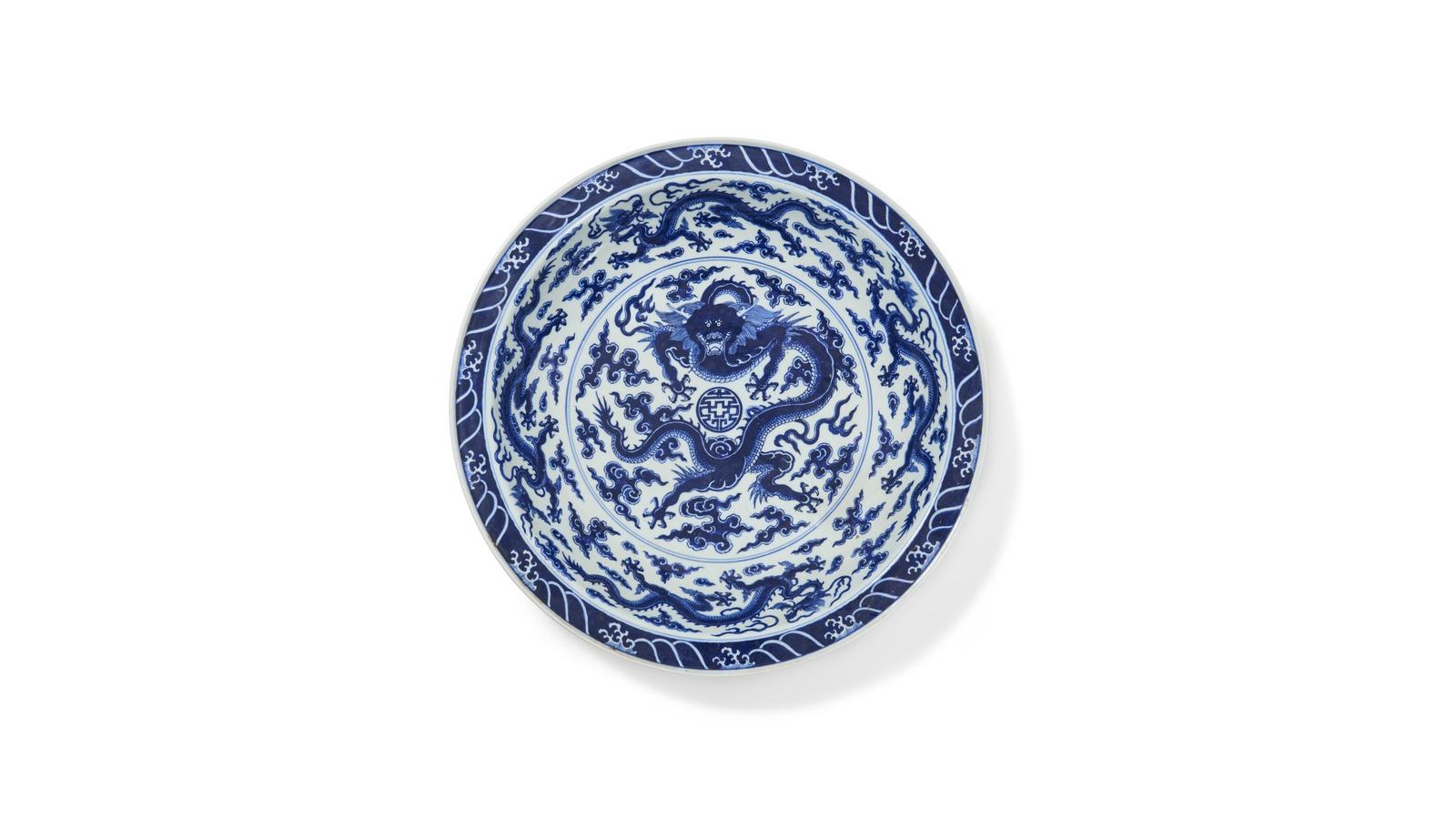
Christie's plans a 150-lot Fine Asian Art sale in London, spanning Chinese ceramics, Buddhist works, jade, historic furniture and Japanese lacquer.
Asian art returns to a regular London auction calendar
Christie's is restoring a regular Asian-art auction presence in London with a Fine Asian Art sale scheduled for 6 November 2026. The auction house says approximately 150 objects will span Chinese ceramics and decorative arts, Himalayan and Southeast Asian Buddhist material, and Japanese works. Public viewing is planned from 31 October to 5 November, giving collectors an opportunity to examine the objects before bidding.
The announcement follows the response to an earlier Chinese collection sale and is presented as a broader renewal of regular London activity, not as the opening of a new gallery. Estimates are reported from about £1,000 to £350,000, allowing a wide range of collecting interests to appear in a single specialist programme.
Chinese works form much of the sale
More than ninety lots are devoted to Chinese art, according to Christie's, including furniture, carved jade, porcelain and other historic works. A group of huanghuali hardwood objects draws particular interest, including a 17th-century altar table estimated at £250,000 to £350,000. Its visual restraint and joinery make the construction as important as the decorative finish.
Serious buyers should request complete condition and restoration details for historic furniture. Later replacement elements, changes to finish and alterations to the original construction can affect historical integrity. The best evaluation considers form, documented provenance and workmanship as well as the appeal of rare timber.
Song ceramics bring a quieter aesthetic
The catalogue also includes 45 pieces from the Muwentang collection of Song ceramics, among them a Northern Song Ding ware ewer with cover and warming bowl, estimated at £40,000 to £60,000. Christie's also highlights a carved Cizhou meiping jar from the Northern Song to Jin period, estimated at £30,000 to £50,000.
These works reward slow examination of glaze, form and surviving condition. Antique ceramics can carry hairline cracks, restoration or other changes that are not visible in a carefully lit image. A professional inspection of the base, foot and surface is particularly important when dating and authenticity rely on small technical details.
Japanese lacquer has an individual collecting history
The Japanese section is expected to include around twenty-five works of lacquer, including inro, boxes and decorated sword fittings, associated with the collection of Edward A. Wrangham. The auction house says many of his objects were sold between 2010 and 2015, while the present selection remained with his widow until this offering.
An inro was historically a small container worn at the waist, but finely worked examples also became objects of sophisticated craftsmanship and connoisseurship. Preservation requires attention to lacquer surfaces, joins and any delicate attached parts. Display methods should avoid unstable humidity and excessive direct light.
A blue-and-white dragon dish adds visual energy
Christie's official preview photograph shows a historic blue-and-white dragon dish, one of the kinds of highly recognisable decorative objects in the Chinese section. Among named highlights is an imperial-style Yongzheng-period dragon dish estimated at £150,000 to £200,000, linked in the catalogue announcement to a British private collection.
Such images should be read as records of actual objects, not as digital illustrations of an imagined antique. Attribution, condition and provenance should still be checked against the specific lot catalogue, and a shared motif does not make every blue-and-white dish from the same period equally rare.
Provenance matters across several traditions
Asian art collecting brings together works made for distinct practical, religious and ceremonial contexts. Buddhist sculptures, scholar's objects and decorative ceramics should not be treated as interchangeable manifestations of a single culture. Their materials, periods and intended purposes call for individual scholarship and careful description.
Buyers should also examine how and when objects left their places of origin. Historic export records, cultural-property restrictions and any relevant conservation concerns deserve independent professional advice. A respected saleroom provides useful documentation but does not remove the collector's responsibility to consider these questions.
November provides a chance to see the objects directly
The London preview is scheduled to begin on 31 October, with the sale following on 6 November. For serious collectors the opportunity to compare furniture, pottery, jade and lacquer in person can reveal differences in craftsmanship that are hard to appreciate from digital catalogue photographs alone.
The renewed programme gives London-based and international buyers access to material from several important Asian traditions through one curated auction. Final market results will not be known until bidding ends; for now the news lies in the confirmed calendar, the nature of the collections and the opportunities for close examination.