Christie's reports a $5.686 million sale total for its 1–13 October 2026 rare books, manuscripts and science online auction in New York.
A broad collecting sale closes in New York
Christie's online auction of Fine Printed Books, Manuscripts, and Science closed on 13 October 2026 with a reported sale total of USD 5,686,016. The catalogue covered 207 lots and combined historic books and manuscripts with scientific artefacts, attracting attention from buyers who collect across traditional category boundaries.
The published sale total includes the auction house's buyer's premium, according to the official results page. It should therefore not be confused with the combined hammer prices alone or with the pre-sale estimates assigned to individual objects.
A Gibeon meteorite leads an unusual selection
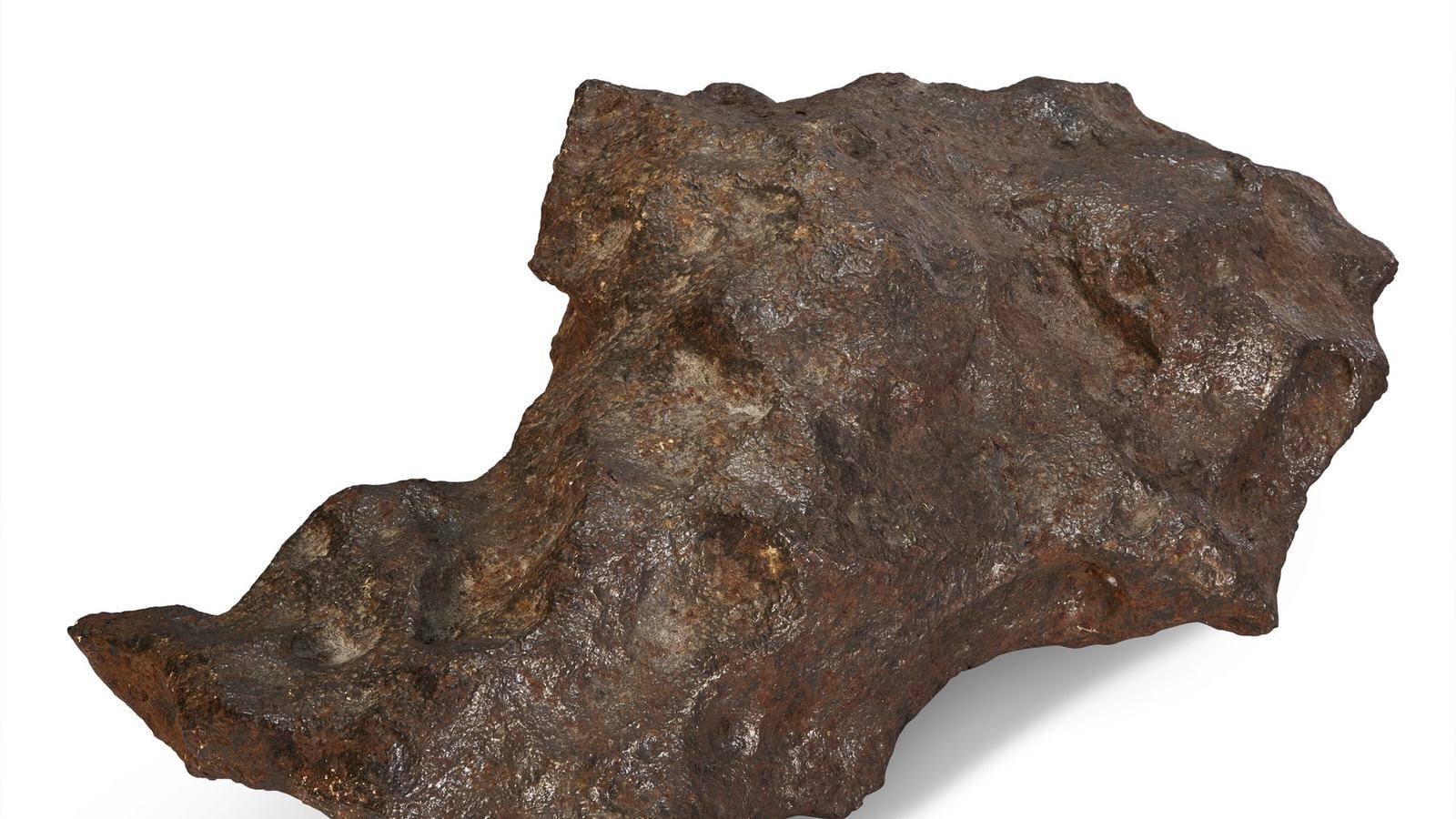
The first catalogue lot was a substantial Gibeon iron meteorite, identified by Christie’s as fine octahedrite material from Namibia. The lot was estimated at USD 200,000 to 300,000 before the sale, showing how specimens from natural history can sit alongside rare manuscripts in a specialist auction.
A pre-sale estimate is not a realised price, and the summary page does not establish the meteorite's final result in the information used here. Scientific specimens require independent examination of their identification, ownership records, lawful acquisition and any export or import restrictions.
Fossils and early printing illustrate the range
A Tyrannosaurus rex tooth from Montana appeared in the catalogue with an estimate of USD 30,000 to 50,000 and a reported realised price of USD 35,840. Another lot, a Japanese Hyakumanto pagoda containing printed dharani dating to around the eighth century, realised USD 40,960.
The distinction between natural history and printing history is considerable, but both markets rely on credible provenance and careful conservation. Collectors should not assume that an object's age alone establishes authenticity or safe long-term storage conditions.
Illuminated manuscripts also found buyers
Among the lots was a late fifteenth-century manuscript miniature depicting Mary Magdalene with an ointment pot, attributed to Georges Trubert's circle in Lorraine in the sale description. Christie's lists a realised result of USD 21,760 for this object, giving another example of the range covered by the event.
Manuscript miniatures can be vulnerable to light, humidity and inappropriate framing, making professional handling important. Before a purchase, prospective owners should establish whether the material was originally part of a larger manuscript and assess the evidence supporting its attribution.
Different forms of collecting require different expertise
A rare book, a piece of fossil material and an iron meteorite can all attract specialist interest, but condition assessment cannot be carried out by a single generic method. Paper conservators, palaeontologists and mineral specialists may ask very different questions about authenticity, treatment and appropriate storage.
Collectors who move objects internationally must also think about customs classification and the legal status of scientific material. The opportunity to buy an object online does not mean that every jurisdiction will permit its import without documentation.
Reading auction figures in context
The USD 5.686 million total indicates the scale of activity in this particular Christie’s auction, but it cannot be used to derive a return on investment for individual buyers. The seller's costs, buyer's premium, taxes, restoration and long-term storage may all change the economics of a collectible.
Market comparisons also require attention to the exact edition, condition and provenance of an object. A large sale result for one early printed work does not establish the value of another merely because the books share a century of publication.
What the October result confirms
The official close date, 207-lot catalogue and total of USD 5,686,016 are the verified news from Christie’s New York online auction. The official image selected for this article depicts the Gibeon meteorite appearing in the catalogue and is identified as a sale object.
Prospective buyers should refer directly to the auction house for individual lot details and updated records. The overall sale result should not be portrayed as a forecast of future prices or as proof that every lot sold.