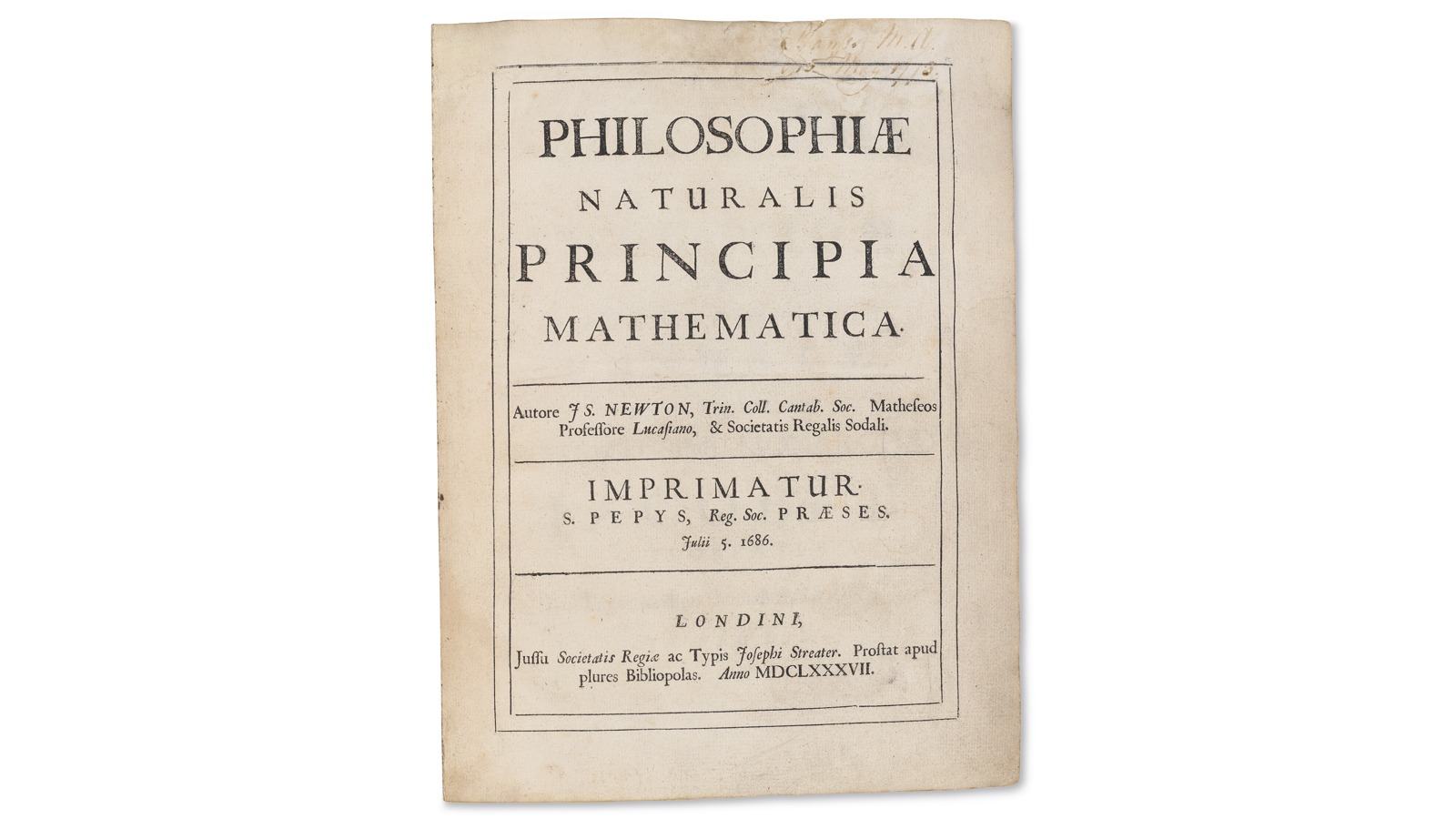
Christie's New York is holding its Fine Printed Books, Manuscripts, and Science online auction from 1 to 13 October 2026, with 208 lots organised across books, manuscripts, scientific material and related collections. Sections include modern literature from an American filmmaker's collection and atl
The latest auction programme
Christie's New York is holding its Fine Printed Books, Manuscripts, and Science online auction from 1 to 13 October 2026, with 208 lots organised across books, manuscripts, scientific material and related collections. Sections include modern literature from an American filmmaker's collection and atlases from the estate of Ted Jacob.
These events reward careful planning rather than impulsive purchasing. Attendees and remote bidders should confirm the conditions associated with individual lots, the exact published sale schedule, and whether advertised viewings require appointments.
Historical and cultural significance
Rare-book collecting requires attention to edition, printing, completeness and the physical state of bindings and pages. A famous title can exist in very different versions, and bibliographic details often determine which example carries historical importance.
Historical context often explains why two similar-looking objects can be evaluated differently by specialists. Makers, production periods, rarity and the circumstances in which objects were originally used must be understood alongside their immediate visual appeal.
Materials and authenticity
Manuscripts invite additional research into handwriting, date, authenticity and the wider documentary context. Provenance is especially valuable where an item once belonged to a significant writer or was part of a historically important archive.
A qualified expert can examine subtle evidence of age, repair and manufacture that images may not reveal. Written reports and clear photographs of the specific lot are useful parts of that process, particularly when the object may later be insured or loaned.
How collectors should inspect works
Scientific books and instruments may carry evidence of changing ways of understanding the world, linking intellectual history with craftsmanship. An object that appears visually modest can be culturally valuable when its purpose and survival history are understood.
An ambitious collector should budget for the independent advice needed to avoid mistakes. The cost of technical research is frequently modest compared with the expense of making an unsuitable purchase or later discovering an attribution problem.
Private collection planning
Paper and bindings need controlled conditions, protection from insects and careful handling. Collectors displaying such material in coastal houses or aboard yachts should consider the risks posed by fluctuating humidity and limited archival storage space.
Documentation should follow the object between storage, homes, insurers and authorised advisers. Protecting privacy does not prevent responsible recordkeeping, but access to sensitive valuations and location records should be appropriately restricted.
What the outcome will mean
The online sale remains open through 13 October, and catalogue estimates should not be presented as final outcomes. Buyers should examine condition reports, legal restrictions and transport requirements before adding historic documents to a collection.
Financial outcomes vary between individual lots and periods of demand. Careful ownership is built around cultural interest, authenticity and the practical costs of preservation rather than assumptions of automatic investment returns.
Documentation and the next stage of ownership
A collection of books and manuscripts should be assessed with a specialist understanding of completeness and bibliographic state. Missing plates, later bindings or annotations may change the historical identity of an example. Scientific objects sometimes require conservation methods unlike those used for ordinary printed works. A buyer should record materials, fragile mechanisms and appropriate handling instructions before arranging shipping, especially when an acquisition will travel between secure locations.