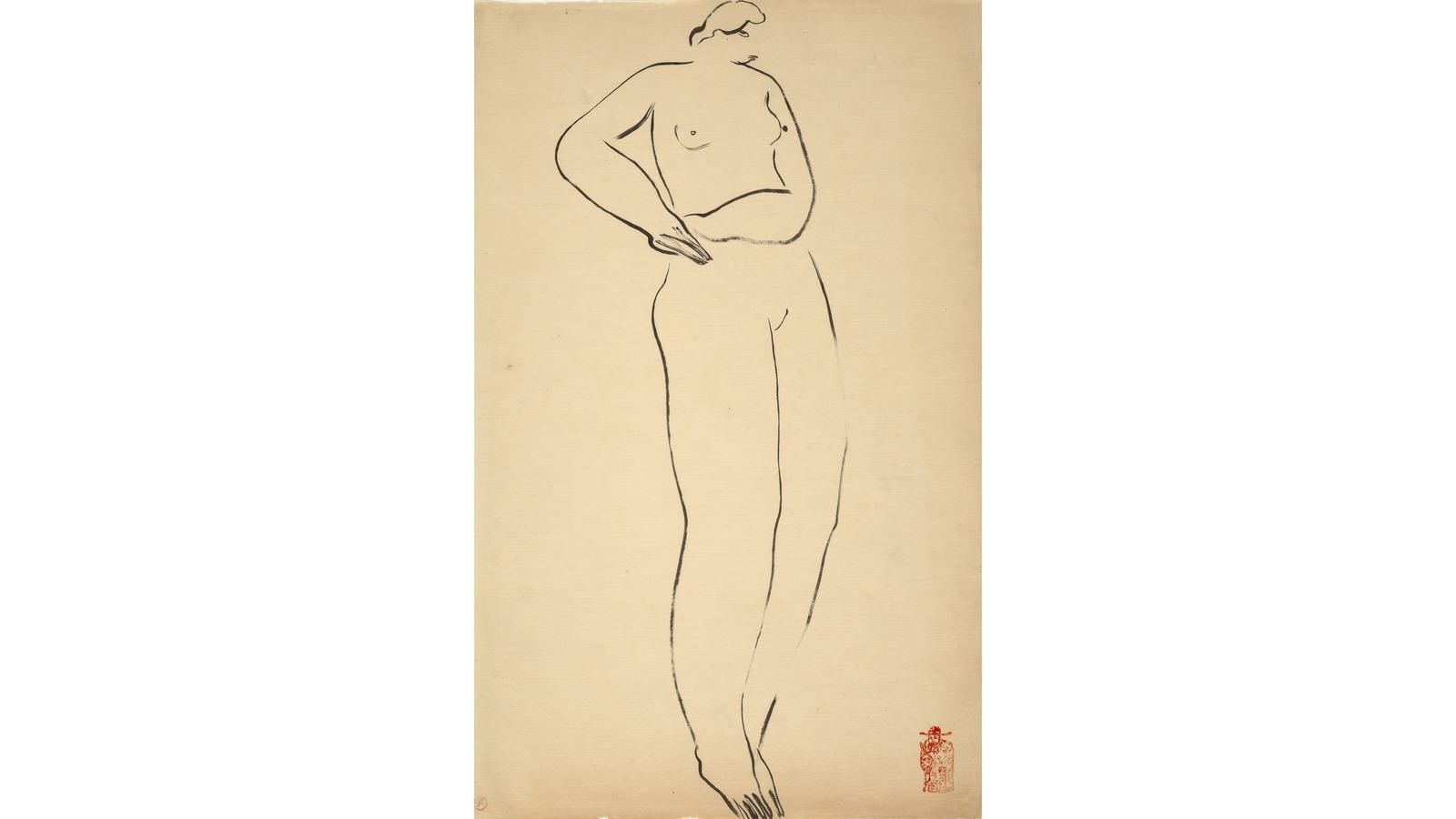
Christie's Hong Kong offered SANYU: Where the Line Begins from 22 September to 9 October 2026, concentrating on works on paper formerly in the collection of Federico Cappellin. The auction house says Cappellin acquired them directly from the artist between 1960 and 1966, providing an unusual connect
The latest auction programme
Christie's Hong Kong offered SANYU: Where the Line Begins from 22 September to 9 October 2026, concentrating on works on paper formerly in the collection of Federico Cappellin. The auction house says Cappellin acquired them directly from the artist between 1960 and 1966, providing an unusual connection between the drawings and Sanyu's final years.
These events reward careful planning rather than impulsive purchasing. Attendees and remote bidders should confirm the conditions associated with individual lots, the exact published sale schedule, and whether advertised viewings require appointments.
Historical and cultural significance
Many of the works were made during the 1920s and 1930s, when Sanyu was developing his personal approach to drawing in Paris. His practice brings Eastern calligraphic traditions into dialogue with the modernist conversations of Montparnasse.
Historical context often explains why two similar-looking objects can be evaluated differently by specialists. Makers, production periods, rarity and the circumstances in which objects were originally used must be understood alongside their immediate visual appeal.
Materials and authenticity
Works on paper can reveal an artist's experiments more directly than highly finished paintings. Their immediacy is compelling, but paper, ink and pencil also create conservation questions involving light, acidity, humidity and historic mounting materials.
A qualified expert can examine subtle evidence of age, repair and manufacture that images may not reveal. Written reports and clear photographs of the specific lot are useful parts of that process, particularly when the object may later be insured or loaned.
How collectors should inspect works
A connection to someone who knew the artist can help establish an object's history, but the chain of custody still needs documentation. Collectors should distinguish statements of provenance from independently verifiable records, and examine individual works for later intervention.
An ambitious collector should budget for the independent advice needed to avoid mistakes. The cost of technical research is frequently modest compared with the expense of making an unsuitable purchase or later discovering an attribution problem.
Private collection planning
For owners displaying drawings in an exceptional residence, lighting should be designed around preservation rather than maximum illumination. Rotating works between display and suitable storage can limit cumulative exposure and support future condition stability.
Documentation should follow the object between storage, homes, insurers and authorised advisers. Protecting privacy does not prevent responsible recordkeeping, but access to sensitive valuations and location records should be appropriately restricted.
What the outcome will mean
The online auction ended on 9 October; any discussion of market outcomes requires verified final results. Its historical significance lies in the opportunity to study Sanyu's formative drawings and the evidence of his relationship with a close collector.
Financial outcomes vary between individual lots and periods of demand. Careful ownership is built around cultural interest, authenticity and the practical costs of preservation rather than assumptions of automatic investment returns.
Documentation and the next stage of ownership
The relationship between an artist and a close collector can illuminate the choices through which works were preserved. Even when provenance is unusually direct, each drawing remains a distinct object with its own paper, markings and conservation history. Future owners should protect any supporting correspondence or receipts. Those records can contribute to research on the artist and ensure that later exhibitions do not lose the context in which the drawings survived.