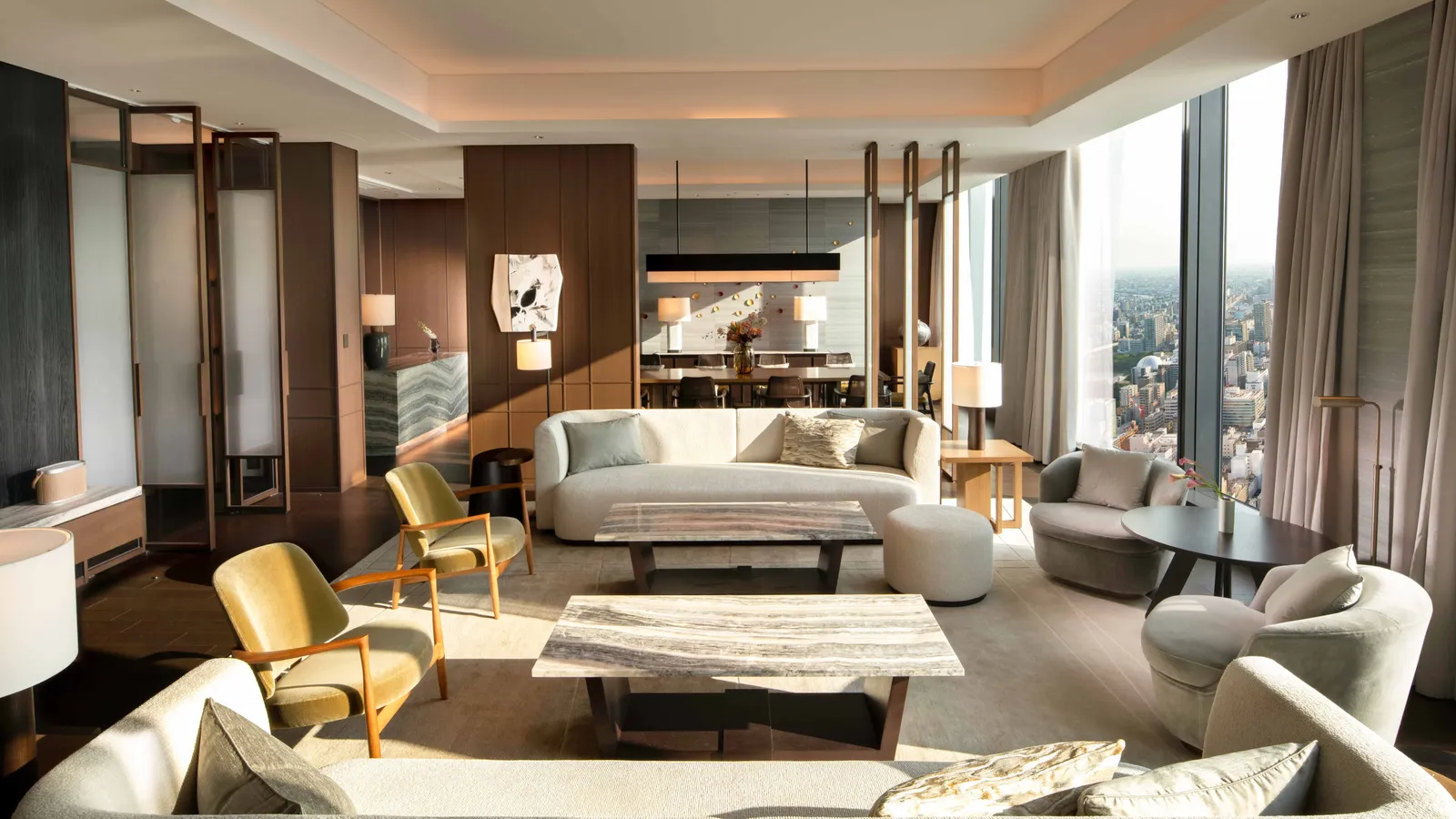
Conrad Nagoya has opened atop The Landmark Nagoya Sakae, bringing 170 rooms, six dining venues and locally curated experiences to central Japan.
Conrad Hotels & Resorts has opened its first property in Nagoya, placing a 170-room luxury hotel on the upper floors of The Landmark Nagoya Sakae. Directly connected to Sakae Station, the hotel combines skyline views, six restaurants and bars, wellness facilities and locally curated cultural experiences.
A new luxury landmark above Sakae
Conrad Nagoya occupies the upper levels of the tallest building in the Sakae district, positioning guests above one of the city’s main shopping and business areas. Its direct connection to Sakae Station also makes the hotel a practical base for exploring Nagoya while remaining within easy reach of the wider Chubu region.
The location gives the property a dual role. It is designed as a city hotel for business and leisure travel, but Hilton also presents it as a gateway to destinations such as Ise and Takayama, extending the value of a Nagoya stay beyond the immediate urban centre.
Rooms use space and skyline as part of the luxury
The hotel offers 170 rooms including 29 suites, with standard accommodation starting above 50 square metres. Floor-to-ceiling windows frame the city, while bespoke metal artworks reference the movement, light and energy of Sakae rather than relying on generic luxury finishes.
The signature Conrad Suite occupies 213 square metres on the 40th floor. That scale gives the hotel a residential dimension and reflects a broader trend in high-end Asian city hotels, where larger rooms are increasingly used to differentiate premium properties in dense urban markets.
Six restaurants and bars focus on regional identity
Dining is spread across the 31st and 40th floors, with six venues combining Japanese and international influences. Sushi kaiseki, teppan kaiseki, lounge and rooftop-bar concepts are used to present local ingredients and craft through different levels of formality.
That variety is important because destination dining can make a luxury hotel relevant to residents as well as travellers. A strong restaurant and bar collection can turn the property into part of the city’s social landscape rather than a self-contained tower used mainly by overnight guests.
Conrad 1/3/5 adds culture in measured doses
Guests can also access Conrad’s 1/3/5 programme, which structures cultural experiences around one, three or five hours. In Nagoya, examples include tea ceremony, miso making and access to the centuries-old craft of Arimatsu Shibori tie-dyeing.
The format recognises that luxury travellers do not always have a full day available for excursions. By making cultural experiences fit into smaller windows, the hotel can encourage deeper local engagement even during short stays, combining convenience with a more meaningful sense of place.
Official sources: stories.hilton.com.
Source
Hilton