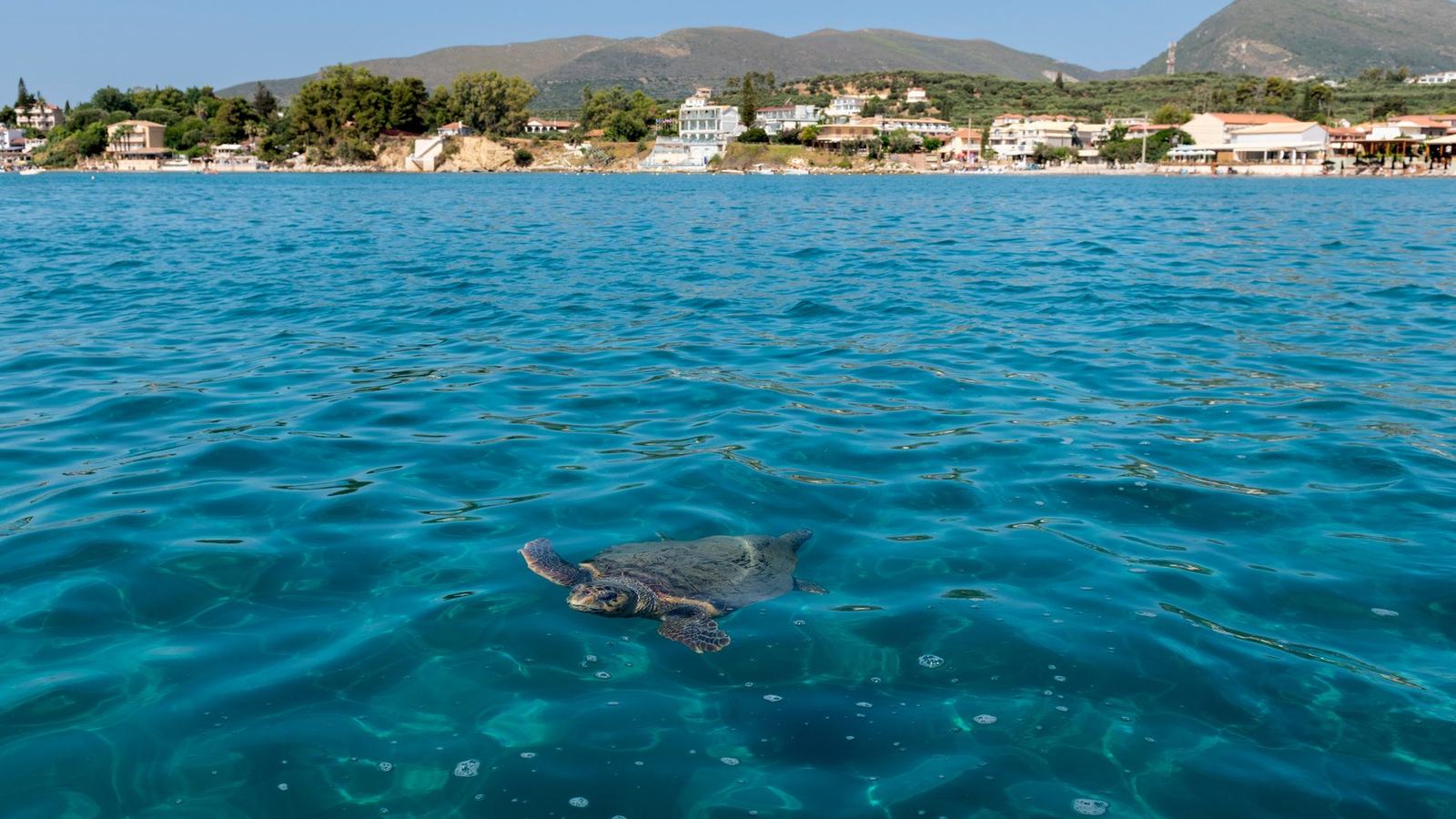
Burgess highlights Seychelles marine parks, Azores whales, Zakynthos turtles and Raja Ampat reefs as conservation-minded superyacht charter settings.
A different reason to charter an expedition-capable yacht
For some travellers, the most memorable part of a superyacht holiday is not the dining table or the beach club but the chance to understand the sea around it. Burgess has published a guide to conservation-focused charters, setting out possible experiences involving turtles, whales, reef ecosystems and shore-based research. The concept can combine exceptional comfort with meaningful learning, provided that a proposed conservation activity is real, properly supervised and genuinely useful to the people protecting the habitat.
Luxury does not automatically make a voyage environmentally beneficial. A large yacht uses resources, and its presence can disturb wildlife if tenders, anchors or guests are managed poorly. The appropriate question is whether an itinerary changes behaviour for the better, respects protected areas and supports credible local partners. A visitor who learns about a reef and follows the rules for leaving it undisturbed may achieve more than one who takes part in a heavily advertised activity without considering its consequences.
Seychelles marine parks provide a living classroom
In the Seychelles, marine protected areas offer opportunities to understand coral habitats, fish communities and the changing health of tropical seas. Burgess identifies Sainte Anne Marine National Park as one of the settings where snorkelling can reveal marine life in relatively accessible waters. The more remote Aldabra Atoll is also part of the regional conservation story, though access and protection rules differ greatly from those of a conventional tourism excursion and require specialist permission.
A yacht offers a useful base for qualified guides, dive briefings and equipment, but the captain must establish the actual restrictions applying to each location. Shallow reefs are vulnerable to careless anchoring and propeller wash. Guests should avoid touching coral, feeding animals or collecting souvenirs from the seabed. An expedition is more rewarding when it explains why a site is protected and how the crew's daily operations can reduce harm, rather than simply promising more wildlife encounters.
Observing whales in the Azores and Alaska
The Azores are recognised for regular opportunities to see whales and dolphins, while Alaska's coastal waters can host feeding humpbacks during summer. Burgess places both in its shortlist of conservation-minded cruising experiences. Each provides a very different environment: the Atlantic islands can involve deep offshore water and changeable sea conditions, whereas Alaska demands careful handling of colder weather, long distances and wildlife habitats near active coastal communities.
Neither area should be marketed as a guarantee that a particular species will appear on demand. Ethical observation uses trained local expertise and leaves sufficient distance for animals to move freely. Chasing a pod or crowding a feeding whale changes the experience for the worse. Guests may discover that the most valuable moments come from watching quietly, recording observations through a legitimate research programme and understanding how migration, ocean productivity and vessel noise interact.
Sea turtle habitats need restraint, not spectacle
Zakynthos in Greece is closely associated with loggerhead sea turtle nesting, making it an attractive setting for guests interested in Mediterranean ecology. Burgess also points to Costa Rica's Tortuguero region and the Coral Coast of Australia as places where turtles form an important part of the marine environment. These locations have different breeding seasons, species and visitor rules; a single generic turtle-watching itinerary is not appropriate across all three.
At a nesting beach, light, noise and casual walking can disrupt turtles and hatchlings. On the water, an enthusiastic swimmer may inadvertently follow or corner an animal. Guests should use authorised guides, accept restrictions on flash photography and keep distance from wildlife. A yacht can help a family approach these experiences with care, including pre-visit briefings for children, so that understanding conservation becomes the purpose of the encounter rather than a race to secure a close-up photograph.
Reef encounters in Raja Ampat demand excellent seamanship
Indonesia's Raja Ampat region is celebrated for extraordinary reef biodiversity and forms part of the wider Coral Triangle. Burgess lists it among potential destinations for marine-focused voyages, alongside the Great Barrier Reef and Australia's Ningaloo Reef. For underwater photographers and experienced divers, the prospect is immense. Yet the qualities that make these systems remarkable also make them vulnerable to physical contact, pollution and a misunderstanding of currents or weather.
Many sites require local operators, entry arrangements and mooring discipline. A captain should establish where a large yacht may anchor or use a designated mooring and whether a tender can approach a particular reef safely. Guests who dive should follow qualified supervision and appropriate medical procedures, including conservative schedules before flying. Carrying an impressive collection of underwater equipment is not a substitute for local knowledge or the operational planning that preserves both the people and the ecosystem.
The right yacht is a working research platform
Burgess mentions HEMISPHERE, a large sailing catamaran with dedicated dive facilities, as an example of equipment that can support conservation-oriented excursions. For an extended programme, the most important features may be practical: reliable tenders, safe gear storage, freshwater capacity, a functioning dive compressor where fitted and sufficient autonomy for remote passages. An onboard scientist needs a quiet work area and suitable storage rather than a purely decorative 'explorer' aesthetic.
Equipment capabilities and operational approval should be checked on the specific vessel proposed, not assumed because another yacht in a broker's photograph offers a dive centre. Scientific sampling and drone operations can require permits even if ordinary recreational diving is allowed. A broker and captain should discuss how guests will actually participate, whether they will observe or assist, what training is needed and whether any outside researchers have agreed to the proposed programme.
Responsible projects ashore add depth to the voyage
A conservation itinerary can move from the yacht into a protected forest or coastal community. Burgess suggests Costa Rican programmes as one example, where guests may learn about habitat corridors, camera-trap research and restoration. The value lies in supporting experienced local organisations, paying fairly for professional guides and following established access rules. An expensive private yacht does not create a right to enter restricted land or to conduct research without approval.
Where a donation or volunteer activity is proposed, ask which organisation receives the funds, how the work is measured and whether short-term visitors are actually useful. Some projects are best supported through funding or technical expertise rather than hands-on participation. Guests may still gain considerable insight through a specialist-led discussion, guided walk or presentation by a local biologist. Such encounters can create a stronger relationship with a place than a tightly curated series of scenic photographs.
An itinerary measured by its care for the location
Conservation-minded charters are most convincing when the vessel, destination and project suit one another. Guests should set a clear purpose, whether learning about turtle nesting, marine mammals or reef restoration, and choose a cruising window that allows responsible observation. The itinerary can then be developed with local professionals, including contingency days for poor visibility or changing sea conditions. A good expedition plan does not force a wildlife encounter to fit a fixed meal or flight schedule.
The final experience should make the marine environment feel less like a backdrop and more like a place with limits, communities and long-term scientific work. Burgess's selection illustrates ways to approach that ambition from Seychelles to the Mediterranean and Pacific. The appropriate luxury is often time: time to listen to experts, understand local conservation rules and leave a habitat in the same or better condition than when the yacht arrived.