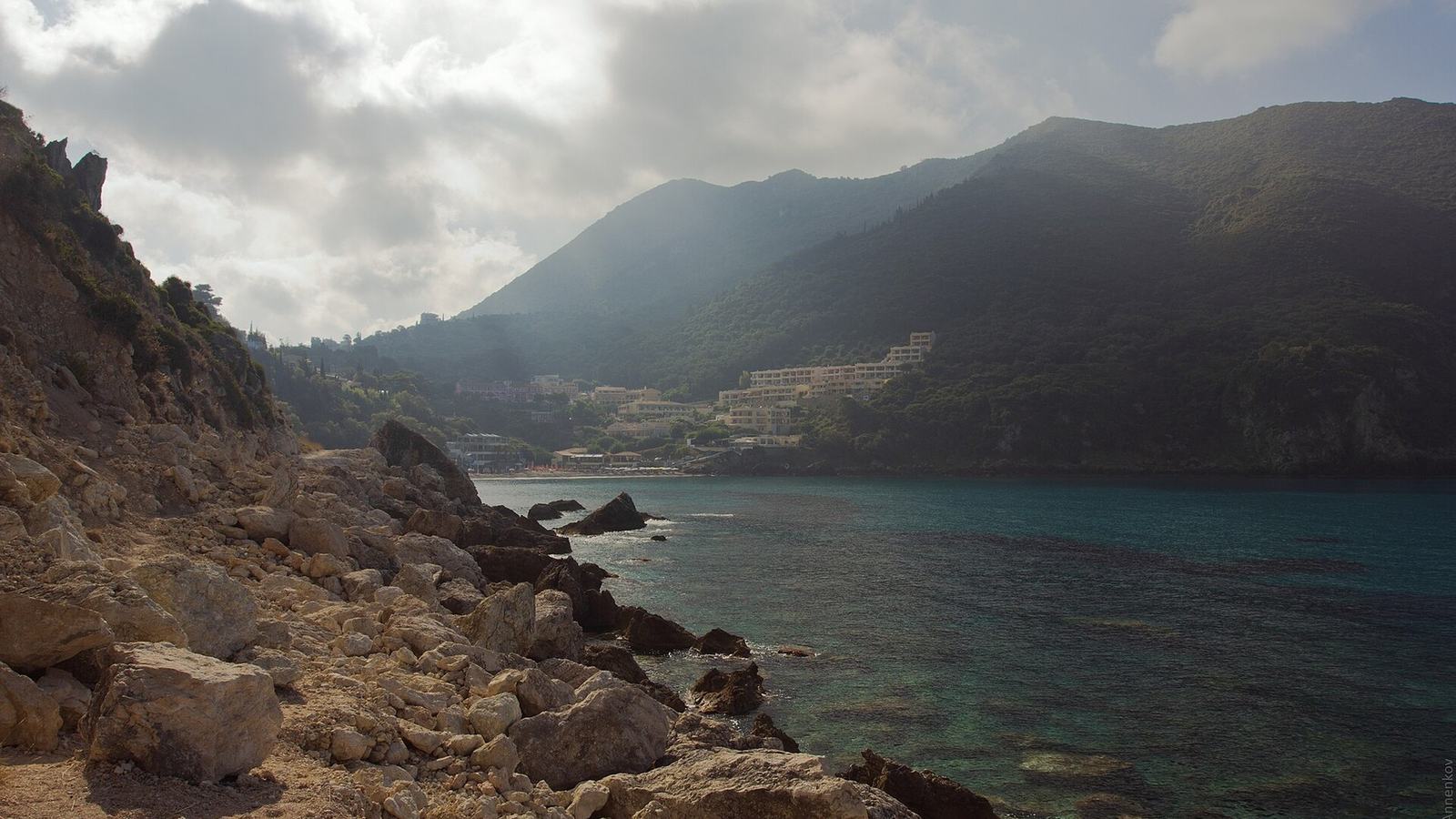
Corfu's Venetian fortifications, layered architecture and historic port setting make a rewarding cultural stop for owners and guests exploring the Ionian by superyacht.
The historic port beyond the anchorage
Corfu's Old Town makes a particularly satisfying excursion because its history is inseparable from its position at sea. The island lies at the entrance to the Adriatic, and generations of political and commercial power have treated the harbour approaches as strategically important. A superyacht guest arriving in the Ionian can explore a historic environment rather than simply admire the waterfront. The town's defensive works, street pattern and buildings make the story of maritime trade visible at a human scale. Its modern appeal is not only that there are attractive lanes and cafés, but that the lanes exist within an extraordinary fortified port landscape.
UNESCO's World Heritage Centre describes the Old Town of Corfu as a historic fortified Mediterranean port notable for its integrity and authenticity. Its inscription recognises a wider urban ensemble rather than a single monument. That distinction should shape a visit. A rushed photograph beside one fortress cannot convey the relationship between defensive architecture, civic life and the surrounding waterfront. Owners who allow an unhurried walk with a knowledgeable local guide are likely to discover more than guests deposited in the main shopping street. The excursion works best when history supplies the route and leisure follows naturally along the way.
Venetian defence and a contested sea
The fortified landscape was developed and refined over centuries, especially during the long Venetian period. UNESCO identifies the Venetian engineers' work and the fortifications' role in defending maritime interests against Ottoman pressure. Later French, British and Greek periods added further layers to the town's identity. A sensible tour does not flatten these centuries into one picturesque story of Venice by the sea. The fortifications were practical military installations built around threats, shipping lanes, weapons and changing techniques. Their scale and lines make more sense when understood as part of a coastal defensive system.
For guests accustomed to modern yacht bridges, it can be revealing to imagine how earlier navigators assessed the same approaches without electronic charts, radar or satellite positioning. The town's commanding points were chosen for observation and protection, while harbour access had military and commercial value. A heritage guide can explain the difference between the Old Fortress, the New Fortress and the surrounding urban fabric. The word 'new' is relative to historic development, not an indication of contemporary construction. That sort of context turns a pleasant walk into a coherent encounter with maritime history.
The town itself is the monument
UNESCO does not limit the significance of Corfu to its walls. It points to the distinctive mix of building periods and the neoclassical character of much of the housing stock. Visitors can notice how public spaces open suddenly from narrower streets, how façades reveal different periods, and how daily life continues inside a protected historic setting. The best approach is to give a guide freedom to connect the major spaces with smaller details. Looking closely at a doorway or street junction often reveals more about the city than an itinerary listing ten attractions without meaningful time at any of them.
A yacht party may include guests who prefer shopping, those interested in architecture and others who want a quiet café. The town is suitable for a flexible schedule precisely because it offers those alternatives at close range, provided meeting points and access arrangements are confirmed. For families, an introductory discussion of the fortresses and the sea can provide a narrative children follow through the day. For design enthusiasts, the transitions between Venetian influences, later rebuilding and everyday Greek urban life can carry the programme. The important point is to avoid presenting every building as if it belongs to a single era.
From superyacht to shore responsibly
The practical arrival plan belongs to the captain and local agent. Neither a photograph of the town nor its UNESCO status establishes where a superyacht may berth, anchor or put guests ashore. The appropriate solution depends on vessel length, draught, seasonal traffic, weather, port-control instructions and available authorised transfers. Tender operations need particular care near commercial or passenger traffic. A sensible guest programme begins with a confirmed marina or port arrangement and a realistic transfer time, not with an optimistic promise that the vessel can stop directly beside a historic viewpoint.
On land, the Old Town rewards walking but includes surfaces and routes that may not suit everyone equally. A heritage guide should understand the mobility needs of the party and propose alternatives where steps, gradients or heat would make a long circuit uncomfortable. In summer, shaded pauses and water are practical considerations, not luxuries. Time should also be left for the return transfer because a superyacht's wider cruising schedule may have tidal, operational or customs considerations to meet. A beautifully planned morning loses its appeal if guests are hurried anxiously back to the boat.
A port call with intellectual substance
Many Mediterranean itineraries move between glamorous harbours whose hospitality offering can feel superficially similar. Corfu distinguishes itself through the strength of its urban history. An itinerary built around the World Heritage site lets guests engage with the very conditions that made the island important: a strategic sea position, a defensible port and repeated cultural exchanges. The historic setting also offers a welcome change in scale from the vessel. A large yacht may provide extraordinary comfort, but narrow lanes and public squares reveal details no private terrace can reproduce.
The shore excursion can conclude with a meal that reflects local Ionian cooking, but the restaurant should support the cultural visit rather than dominate the schedule. Guests who enjoy art might extend the day through a museum or a specialist architectural walk, with opening details confirmed before booking. Others may simply appreciate the view back towards the sea after exploring the town on foot. The common thread is a sense of place. The yacht delivers guests to Corfu; the heritage experience gives them a reason to remember it distinctly from the next island.
Conservation is part of the experience
A World Heritage designation carries responsibilities. The Old Town is inhabited and visited by many people; it is not a sealed film set available for unlimited private activity. Guests should respect restricted areas, local businesses, residents and any rules governing photography or guided groups. If a special visit or private interpretation is desired, the crew should use legitimate local channels and avoid assumptions about exclusive access. Preserving the public character of historic streets is consistent with a refined visitor experience. Indeed, thoughtful travel is often defined by the restraint shown around places with a life beyond tourism.
UNESCO's description is also a useful editorial safeguard. It provides a reliable foundation for the town's significance without requiring invented dates or theatrical claims. A guide may add local archival knowledge, but statements about historical events should be tied to identifiable evidence. The resulting visit can be genuinely enriching: the boat's guests arrive through a sea once watched by fortresses, walk through a living city shaped by that history and return with a sharper sense of the Ionian. For a superyacht itinerary seeking more than another scenic anchorage, that is substantial value.
What to settle with the local agent
Before the day is confirmed, the yacht team should check port formalities, the route to the historic centre, any booked monument admissions, the working language of the guide and the length of walking the party can comfortably manage. It is worth agreeing a weather alternative because exceptionally hot or wet conditions can change the quality of an outdoor programme. The captain's operational decisions remain separate from a hospitality team's cultural plan. A UNESCO listing is a reason to visit, not a substitute for local maritime clearance, safe access or an accurate schedule.
With those details settled, Corfu's old town can be enjoyed at the measured pace it deserves. The most persuasive itinerary is neither excessively formal nor a random stroll. It follows the logic of the fortified town from sea-facing defences into inhabited streets, leaving enough pauses for individual interests. The experience is well suited to owners who want their cruising destinations to have character and depth. The harbour gives the approach its drama, the architecture gives the excursion its structure, and the continuing life of the town gives the visit its lasting appeal.
Photograph: Alexander Annenkov / Wikimedia Commons, CC BY 2.0; contextual Corfu coastline, not the old town itself. Image resized for web. Original photograph and creator; Creative Commons licence.

Primary source: UNESCO World Heritage Centre. Opening hours, rules, berthing and visitor arrangements should always be reconfirmed with the responsible local authorities.
Source
UNESCO World Heritage Centre