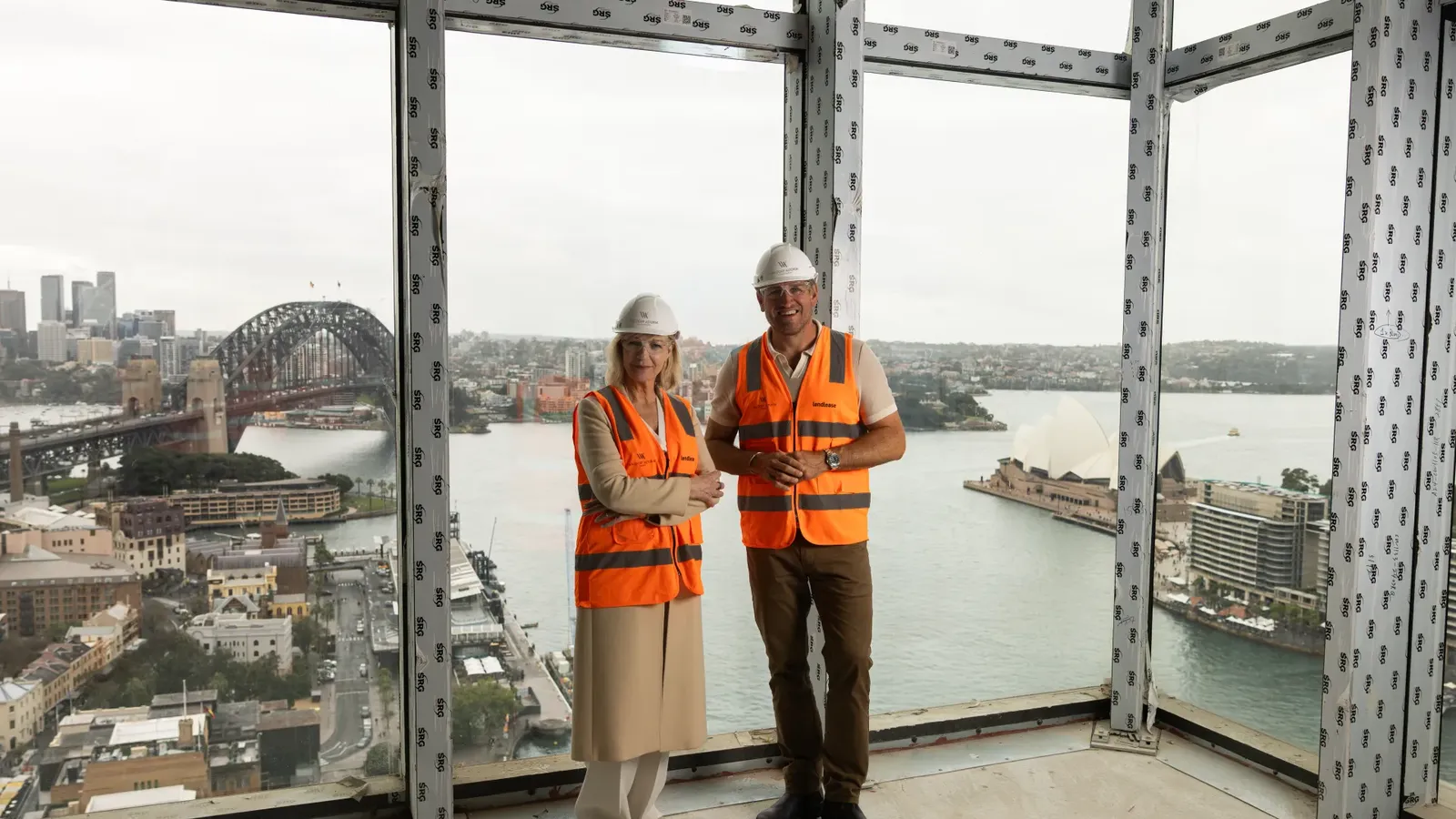
Curtis Stone will lead two original dining concepts at Waldorf Astoria Sydney, his first restaurant project in Australia and the brand’s national debut.
Curtis Stone is returning to Australia for a major hospitality project, taking responsibility for two original restaurant concepts at the forthcoming Waldorf Astoria Sydney. The One Circular Quay hotel is scheduled to open in 2027 and will become the first Waldorf Astoria in Australia.
A homecoming project for Curtis Stone
Stone was born in Melbourne but built much of his restaurant career internationally, making the Sydney project a significant professional return. Hilton describes the collaboration as his first restaurant project in Australia, giving the chef an opportunity to reinterpret local produce and hospitality through a global luxury-hotel setting.
That personal connection should matter to the finished concepts because the restaurants are intended to be distinctly Australian rather than imported versions of existing venues. Stone has spoken about drawing on the producers, seasons and hospitality culture he grew up with, creating a strong local starting point.
Two original concepts rather than a single flagship
The hotel will contain two restaurants shaped by Stone, allowing different expressions of the same culinary philosophy. Details of the individual concepts are still developing, but Hilton positions them as original venues created specifically for Waldorf Astoria Sydney rather than licensed copies of restaurants from another market.
That approach gives the property more flexibility. One restaurant can address formal destination dining while another may serve a broader social role, helping the hotel build a food identity that works for residents, local diners and international guests throughout the day.
One Circular Quay brings a major setting
Waldorf Astoria Sydney will occupy One Circular Quay, placing the hotel beside one of Australia’s most recognisable harbourfront landscapes. Views toward Sydney Harbour Bridge and the Opera House create an unusually strong visual context for restaurants that are expected to attract diners independently of the hotel.
Location can transform hotel dining when the restaurant becomes part of the city’s own social geography. In Sydney, the combination of waterfront views and a nationally recognised chef gives Waldorf Astoria a chance to create venues that function as genuine local destinations.
Luxury hotels increasingly recruit culinary identities
Leading hotels now compete through restaurants as much as rooms, often partnering with chefs whose names carry their own audience. The best collaborations, however, succeed when the chef’s point of view fits the destination rather than acting as a portable celebrity label.
Stone’s Australian background gives this project a natural connection that many international partnerships lack. If the finished restaurants can translate local produce and culture into a modern hotel setting, they could become an important part of how Waldorf Astoria establishes itself in Australia.
Official sources: stories.hilton.com.
Source
Hilton