An expedition-minded guide to Dutch Harbor and Unalaska for superyacht owners, using official Alaskan transport, U.S. wildlife and NOAA sources.
Dutch Harbor: a superyacht arrival far from the usual circuit
Unalaska and Dutch Harbor stand at a compelling intersection of marine industry, Aleutian history and extraordinary wilderness. An expedition-capable superyacht approaching this stretch of southwest Alaska is entering the northern Pacific world of deep bays, low cloud, volcanic mountains and working fleets whose priorities are commercial fishing and safe passage, not the conventions of a Mediterranean marina. That contrast is precisely the attraction for owners who already know the classic cruising grounds and want their next voyage to mean something different.
Alaska's Marine Highway System describes Dutch Harbor as the gateway to the Aleutian Islands and notes the long history of the Indigenous Unangan people. The community is connected to both the Bering Sea and the North Pacific, and its harbour activity is fundamental to its identity. For visiting guests, the strongest experience is not a staged display of remoteness but a respectful encounter with a place where seamanship and local knowledge remain essential to daily life.
An expedition-capable superyacht should enter these waters as part of a carefully planned voyage rather than a speculative last-minute diversion. Large open-water distances, rapidly changing conditions, limited refit capability and the absence of conventional superyacht tourism infrastructure mean that the captain must assemble a workable arrival plan before describing the route as feasible. A properly equipped vessel can nonetheless use Dutch Harbor as the basis for distinctive cultural visits and sensitively managed wildlife observation.
A working port with real operating priorities
The Port of Dutch Harbor is one of Alaska's best-known commercial-fishing gateways, and yachts should approach its berthing question accordingly. Fish-processing traffic, cargo activity, fleet movements and berth availability may shape the answer far more than a published visitor brochure. The correct first step is direct coordination with the port and any proposed berth operator to confirm vessel length, beam, draft, security, service provision, approach restrictions and current port operating conditions.
Deck crew should avoid assuming that a sheltered-looking commercial quay offers visitor moorage. Fenders, lines, gangways, shore services and an entirely different standard of waterside access may be required for a large yacht alongside working vessels. Fuel planning is just as important: confirm product, quality control, delivery method, volume, weather limitations and customs requirements if the proposed itinerary includes foreign ports.
The state ferry terminal at Dutch Harbor is a useful geographical reference but should not be confused with a superyacht marina. The Alaska Department of Transportation identifies its terminal on Delta Way at East Point Road and provides the regional context for the settlement. For captains, shore-side arrangements should include safe crew transport, medical contingency and an alternative plan if the intended berth becomes unavailable.
Weather determines whether the itinerary exists
This coast demands marine forecasts studied at both local and regional scales. A relatively manageable sea inside Unalaska Bay does not mean that the Bering Sea approaches or exposed Pacific passages offer the same conditions. The National Weather Service publishes separate coastal, offshore and point forecasts, and its alerts may change materially within the duration of a typical superyacht passage from the preceding safe harbour.
The contrast is not theoretical. NOAA's October 2026 outlooks for parts of the eastern Bering Sea identified strong winds and dangerous seas associated with a major low-pressure system, illustrating why a shoulder-season arrival cannot simply be added to a luxury cruise without careful weather routing. Forecast values are time-sensitive and should never be carried from an article into a passage plan; captains must obtain live warnings and a route-specific forecast when operating.
A prudent expedition programme builds in time for several weather days rather than treating them as failures. The bridge team needs clearly defined no-go thresholds, harbour-entry alternatives, fuel margins, spare-part priorities and a realistic medical evacuation plan. Passengers should understand the trade-off: the chance to witness an exceptionally remote coastline is accompanied by an itinerary whose timing must remain subordinate to safety.
The Aleutian landscape and its extraordinary wildlife
The Alaska Maritime National Wildlife Refuge is central to understanding the ecological importance of the region. Its extensive islands and coastlines support seabirds, marine mammals and fragile nesting habitat that can be disturbed surprisingly easily by people approaching from water. The U.S. Fish and Wildlife Service identifies Unalaska among the places where eagles may be encountered and draws attention to seabirds, sea otters, seals and sea lions across the wider maritime refuge.
Wildlife viewing from a superyacht should favour distance, stillness and a long-lens camera over attempts to position the vessel close to an animal. Boats, tenders and drones can all create disturbance; no guest's photograph justifies flushing nesting birds or changing a seal's resting behaviour. Protected-area access rules, landing permissions, wildlife regulations and any local cultural restrictions should be checked before a shore programme is offered to guests.
The best expeditions are also honest about uncertainty. A refuge is a living ecosystem rather than a safari itinerary with guaranteed sightings, and weather may keep the most picturesque locations out of reach. An experienced naturalist who understands Aleutian birds and marine mammals can make a short and respectful observation richer than a long pursuit designed solely to produce dramatic images.
Unalaska's human story deserves equal attention
The Indigenous Unangan heritage, the Russian-era history and the long development of commercial fishing create a layered cultural story. Guests may find local museums, historic buildings and community viewpoints as interesting as any remote island landing, provided visits are arranged with care and up-to-date hours. Treating the port as a living town rather than a temporary spectacle encourages more valuable encounters.
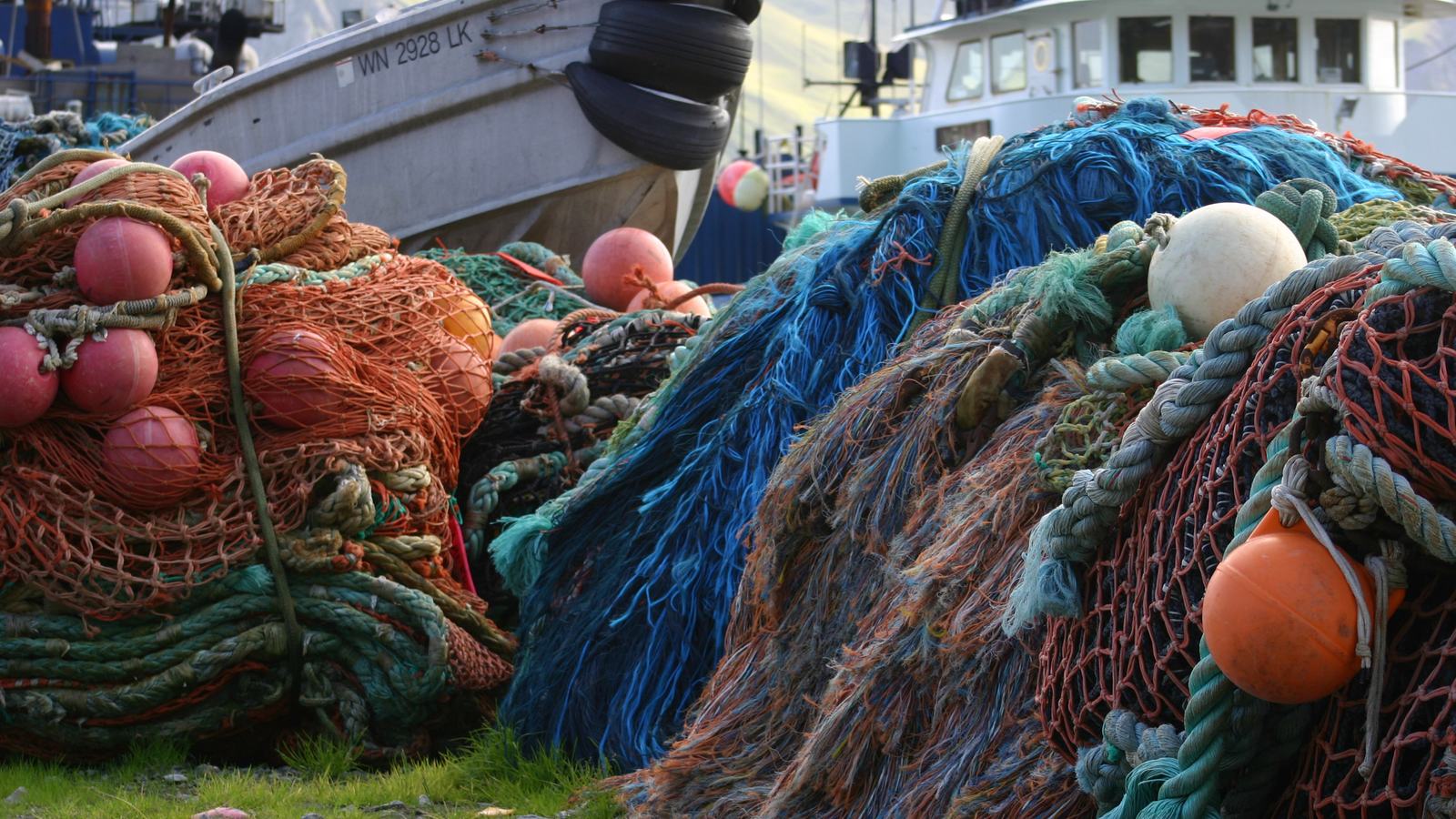
The fishing vessels and piled nets of Dutch Harbor also reveal the scale and practicality of the maritime economy. Machinery, large catches and the hours demanded by a commercial fleet are reasons to keep a respectful distance from work areas, not simply colourful photographic subjects. A crew-led walking visit and an appointment with an appropriate local cultural organisation may give guests a fuller understanding than a brief tender run along the waterfront.
Alaskan coastal communities have their own seasonal rhythms, transport limitations and employment priorities. A considerate itinerary uses local guides and services where available, but avoids imposing unrealistic turnaround requests or assuming that every port facility is open for leisure traffic. Provisioning and guest requests should be organised around what the community can safely and willingly supply.
Practical expedition choices and a responsible departure
For a yacht suitable for northern Pacific cruising, Dutch Harbor may work as an arrival point, a brief supply stop or part of a longer Aleutian expedition, but these are three very different propositions. A short visit can emphasise history and landscape; a longer programme increases exposure to weather, logistics and crew endurance. The owner and captain should decide which outcome they genuinely seek before fixing the departure port or inviting guests to join.
Bridge and engineering teams should review navigation publications, chart corrections, communications redundancy, tender recovery in rough water, propulsion reliability and arrangements for sewage and waste retention. The yacht's classification, insurance cover, flag-state obligations and charter status—if applicable—may also affect the passage. Avoiding a casual assumptions about facilities protects both the vessel and an environmentally sensitive area.
The finish to a strong Aleutian itinerary is an unhurried departure made in a verified weather window, with guests understanding why plans might change. An owner who values exploration will remember the immense spaces, the birdlife, the working harbour and the people of Unalaska far longer than a rigid schedule. Dutch Harbor rewards preparation with something increasingly rare in luxury travel: a genuine maritime experience that has not been built around the visitor.
Official background sources for this itinerary include the U.S. Fish and Wildlife Service’s Alaska Maritime wildlife guidance and the National Weather Service forecast for Unalaska Bay. Check each service again immediately before travel, because port arrangements, wildlife access and marine warnings are changeable.