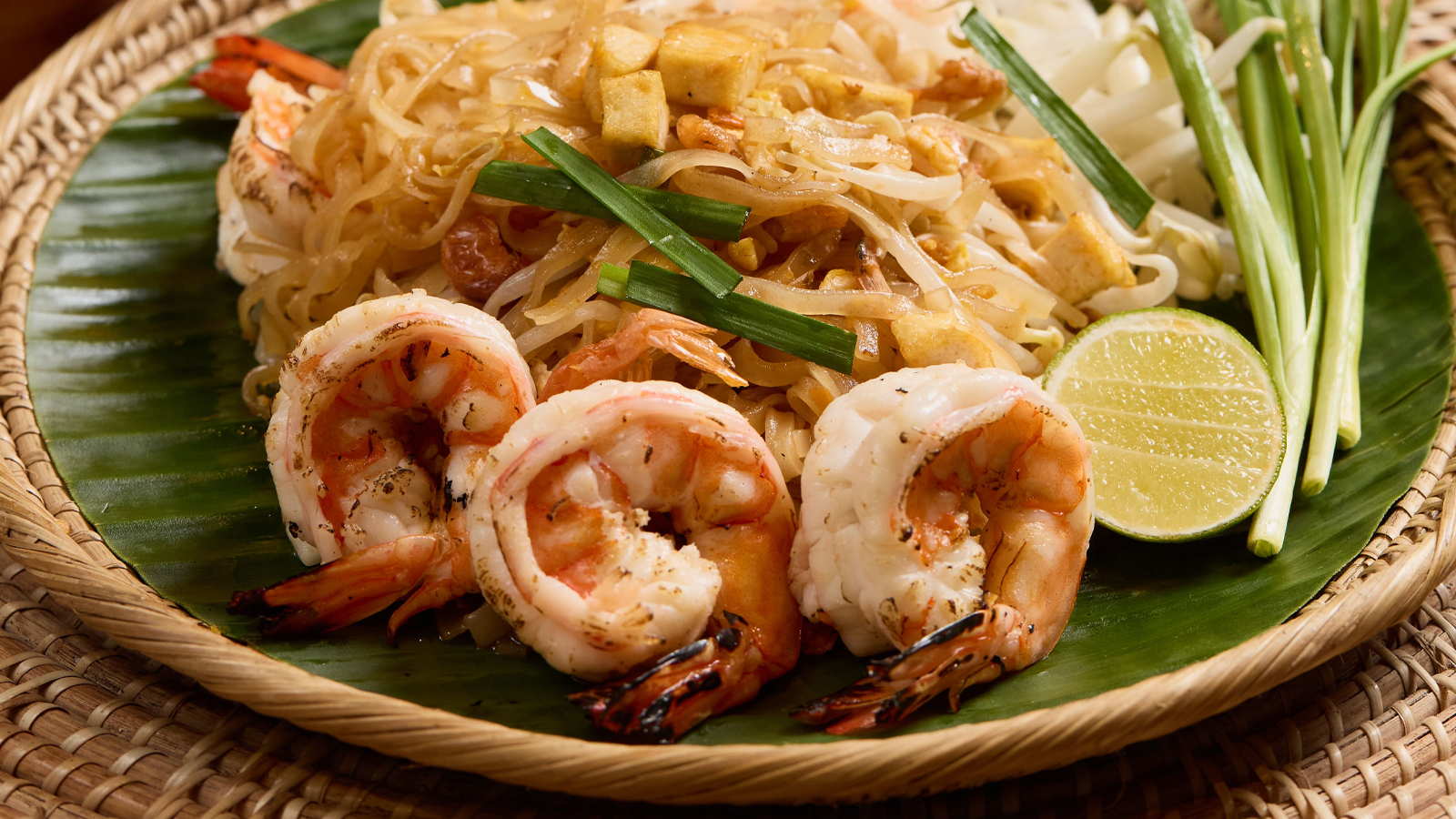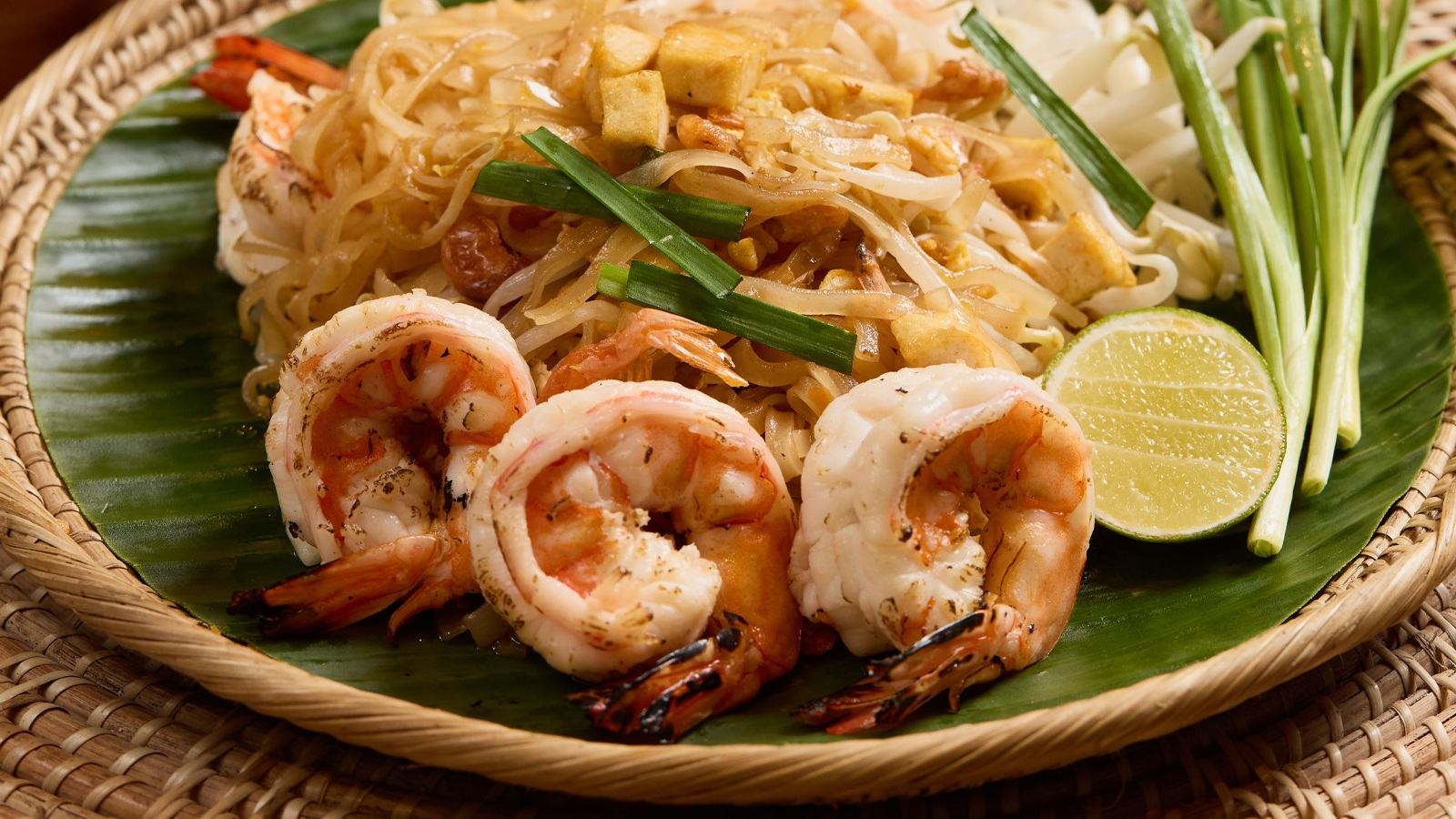
Four Seasons Bengaluru’s 21st-floor Far & East restaurant announces a week of Thai festival dishes, with its culinary team presenting a special Loy Krathong menu.
A Thai festival interpreted through a Bengaluru restaurant
Far & East, on the twenty-first floor of Four Seasons Hotel Bengaluru at Embassy One, will present a special menu celebrating Thailand's Loy Krathong festival from 24 to 30 November 2026. The hotel announced the week-long culinary showcase on 16 November and identifies its Thai culinary team as responsible for the programme. Among the dishes described are fried banana fritters, a coconut and sago dessert with mango, pineapple fried rice and a traditional fish jungle curry. The restaurant's choice of a cultural theme makes its programme distinct from a conventional winter festive menu. It also differs from a celebration actually held on a Thai waterway, since the announced activities concern dining in Bengaluru rather than the floating of ceremonial offerings in Thailand. For a travelling family with interests spanning India and Southeast Asia, the occasion provides a way to explore a particular culinary tradition while visiting the Indian city.
The significance of water within Loy Krathong
The hotel explains the festival in relation to the full moon of the twelfth month in the traditional Thai lunar calendar. Its description identifies the custom of placing small decorated floats, or krathongs, on rivers, canals and other bodies of water. Traditionally constructed from botanical materials such as banana stalks and leaves, the objects may carry flowers, candles or incense. Participants associate the occasion with gratitude, the relinquishing of misfortune and hopes for renewal. Specific beliefs and practices differ among communities, and the festival should not be represented as a single identical religious ceremony undertaken in precisely the same way in every location. The menu takes inspiration from the relationship between water, agriculture and Thai culinary traditions. This is particularly meaningful to people who regularly travel by water, but an appreciation of the tradition does not require its reproduction aboard a yacht. Any local ceremony or activity involving offerings should respect the rules and environmental requirements applicable to the place where it occurs.
Banana fritters connect the menu to the festival's materials
Kluai Khaek is one of the dishes named by Four Seasons. A familiar Thai preparation of fried banana, it provides a comparatively direct connection between the hotel's culinary programme and the plant traditionally used in the construction of krathongs. The fruit and the other parts of the banana plant have different functions, so the association concerns the broader cultural importance of the plant rather than an implication that the fritters are themselves a ceremonial offering. The interest of the preparation for a fine-dining guest can lie in the interplay of the exterior coating, the ripeness of the fruit and the timing of its service. The hotel has not published a complete recipe or identified the variety of banana used. Nor should an individual diner infer from the name that a particular coating or cooking medium is acceptable for their dietary needs. Details concerning the ingredients and suitable alternatives should be established with the culinary team.
Coconut, sago and mango as another interpretation
The menu also includes Khanom Saku Piak, described by the hotel as a coconut sago pudding served with mango. The selection draws attention to another group of ingredients associated with the food of tropical Asia and to a type of sweet preparation encountered at Thai festive gatherings and fairs. The texture of the cooked starch, the character of the coconut component and the ripeness of the mango can all contribute to the experience of the dish. A visitor familiar mainly with composed desserts in European restaurants may find the distinctive textures and ingredients of this preparation particularly interesting. Its significance within the programme is not based on the rarity or price of an individual ingredient. The hotel has not disclosed the precise presentation, portion size or complete composition of the dessert. Guests who wish to understand the regional or household variations of the dish may benefit from discussing the culinary team's interpretation rather than assume that a single preparation represents all Thai traditions.
Pineapple rice and the balance of contrasting ingredients
Khao Pad Sapparod, the pineapple fried rice identified in the announcement, introduces a savoury preparation built around the fruit's relationship with rice and additional seasonings. The characteristic sweet and acidic qualities of pineapple can create a contrast with savoury components. The precise balance depends on the ingredients selected and the manner in which the dish is prepared. The announcement does not specify whether the restaurant will serve its version in a hollowed pineapple or what proteins, nuts or other components will appear alongside the rice. Those details may differ between kitchens. A private host bringing guests together from several culinary backgrounds should therefore examine the actual menu rather than rely on expectations based on another restaurant's version. The simple presence of fruit and rice does not establish the suitability of the dish for vegetarian diners or people with particular food allergies. The intended contribution to the showcase is a recognition of Thailand's tropical produce within the wider series of festival-inspired dishes.
A fish curry from a different culinary tradition
Kaeng Pa Pla, the fish jungle curry highlighted by the hotel, introduces another regional influence into the proposed meal. The jungle curry tradition is frequently associated with the use of fresh aromatics and a comparatively direct, herb-centred character, distinct from the richer coconut-based curries encountered in many international interpretations of Thai cuisine. It is not appropriate to assume a particular fish species or degree of heat from the name alone. A restaurant's selection will depend on the ingredients available and the approach adopted by its chefs. Diners should consult the culinary team regarding the actual composition, including fish or other seafood-derived seasonings that may not be evident in the menu title. For a yacht-owning family whose earlier travels have involved coastal markets and Thai cuisine, the dish may offer a point of comparison with preparations encountered in other regions. The hotel's programme concerns a selected version of the tradition, rather than a claim to demonstrate every regional variation of the curry.
The high-rise brasserie as a setting for cultural hospitality
Far & East is situated high above Bengaluru, on the hotel's twenty-first floor. The architectural context differs substantially from the waterborne environment ordinarily associated with the festival. The November announcement uses that difference to offer an occasion in which the culinary elements carry the principal connection to Thailand. This may appeal to visitors whose Indian itinerary includes meetings, extended stays with family members or time in a city residence. The hotel's location at Embassy One establishes the venue, but does not disclose the seating capacity allocated to the event, the availability of private dining rooms or a guaranteed outlook from any individually reserved table. A group interested in an extended meal should establish the seating arrangements and service timetable beforehand. The announcement identifies a specially curated menu without specifying whether every listed item will be offered at every service or whether customers must select an entire predetermined sequence of dishes.
Learning about a festival without conflating separate traditions
International luxury hospitality frequently brings dishes, designs and cultural customs from one location into a venue situated elsewhere. Such an initiative can offer a meaningful opportunity for an individual guest to learn about the origins of a dish or the occasion with which it is associated. It is important, however, to distinguish between a culinary interpretation and participation in the original cultural celebration. Four Seasons has not announced the release of ceremonial floats from the restaurant, a public religious service or a separate event on a body of water in Bengaluru. Its stated programme is a dining showcase led by the Thai culinary team. Guests who want to participate in a local Loy Krathong ceremony in Thailand would need to investigate the arrangements there independently. For a household that commissions menus for entertaining at a private residence or aboard a yacht, the example also illustrates the value of understanding the cultural relationships among selected dishes rather than assembling a superficially themed collection of expensive ingredients.
A defined week of dining within a wider itinerary
The special menu is announced for November 24 to 30. Those dates provide a clear indication of the intended duration, but the press release does not publish its price, complete menu, daily hours or individual reservation availability. Travellers should obtain the current restaurant information before arranging their visit, including the handling of dietary requirements and the conditions applicable to a particular group. Bengaluru is an inland destination, so guests connecting their visit with a voyage on India's coast or in Southeast Asia will need to make independent flight and ground-transfer arrangements. The accompanying photograph is official culinary publicity material supplied by the hotel. The significance of this week's announcement is the opportunity to experience selected Thai dishes in relation to the meanings of a specific annual celebration. Such a programme can add another dimension to a private itinerary, provided the visitor approaches the culinary experience as an interpretation of a living culture rather than assume that the hotel reproduces every feature of the festival itself.
Primary source: Four Seasons Hotel Bengaluru official press release, 16 November 2026.
Photography: Four Seasons Hotel Bengaluru, official culinary publicity imagery accompanying its Loy Krathong announcement. Official source.