Formula 1’s latest Commission meeting has agreed a shorter standard race distance for 2027 alongside new rules for disrupted races and practice sessions.
Formula 1 is preparing another set of sporting refinements for 2027, with the latest F1 Commission meeting agreeing changes to race distance, disrupted-event timing and practice-session flexibility. The proposals are designed to respond to lessons from the current regulations while preserving more usable track time for teams and spectators.
Grand Prix distance is set to fall
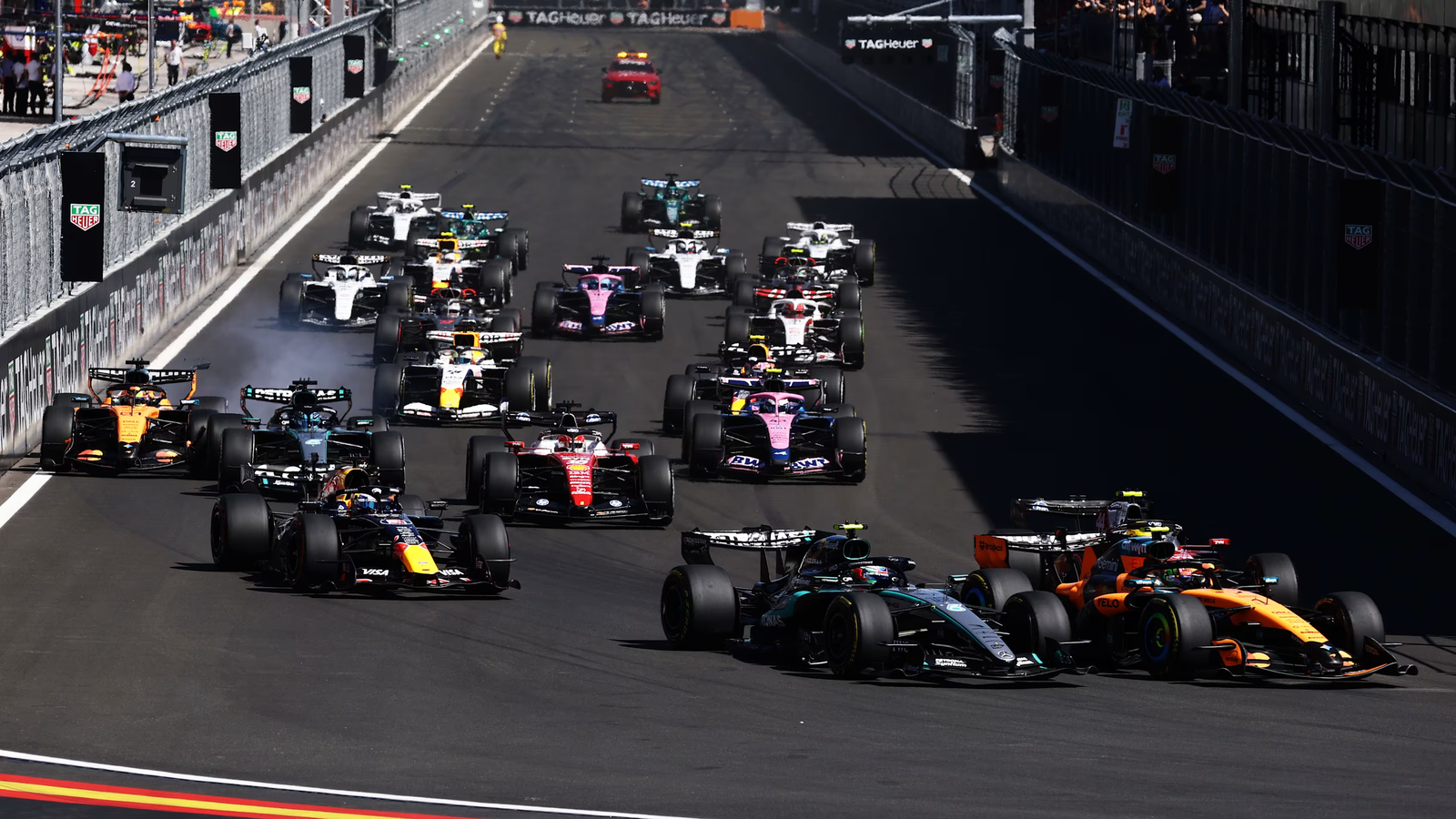
The Commission agreed that the standard race distance should reduce from 305 kilometres to 290 kilometres in 2027. Formula 1 says the change corresponds to roughly two or three fewer laps at many circuits and is linked with refinements to power-unit fuel-flow regulations planned for the same season.
A shorter race may appear modest on paper, but it changes fuel calculations, tyre strategy and the timing of pit windows. Teams will need to reassess how aggressively they can approach each stint, while spectators could see slightly more concentrated racing without fundamentally altering the shape of a Grand Prix.
Rain-disrupted races get a clearer endpoint
The meeting also agreed to introduce a hard stop time for racing activity when events are disrupted by rain or other delays. At the same time, the current overall three-hour window from race start to finish is due to be removed, while the limit of two hours of actual racing will remain.
The intention is to give organisers more flexibility to wait for safe conditions while still providing a predictable end point for teams, fans and broadcasters. That balance became increasingly important after several recent seasons in which long weather delays created uncertainty about whether meaningful racing could resume.
Practice sessions may gain flexibility
Another agreed change would allow greater flexibility to extend Free Practice sessions when running is interrupted. That could be important on weekends affected by red flags, weather or track incidents, especially when teams have limited practice time under Sprint formats.
More recoverable practice time can improve both sporting fairness and the quality of the show because teams are less likely to enter qualifying with incomplete setup work. It also gives drivers more opportunity to understand circuit conditions rather than relying on heavily compressed running after a stoppage.
Further technical freedoms are planned
The Commission also agreed to remove gearbox homologation for 2027, preserving development freedom for suppliers, alongside smaller technical-regulation adjustments. All of the measures remain subject to formal approval by the FIA World Motor Sport Council before they become part of the final rulebook.
Taken together, the changes show Formula 1 continuing to tune the current regulatory era rather than waiting for another major reset. The focus is on reducing unnecessary constraints, improving disrupted weekends and making the racing format more robust for teams and spectators alike.
Official sources: www.formula1.com.
Source
Formula 1