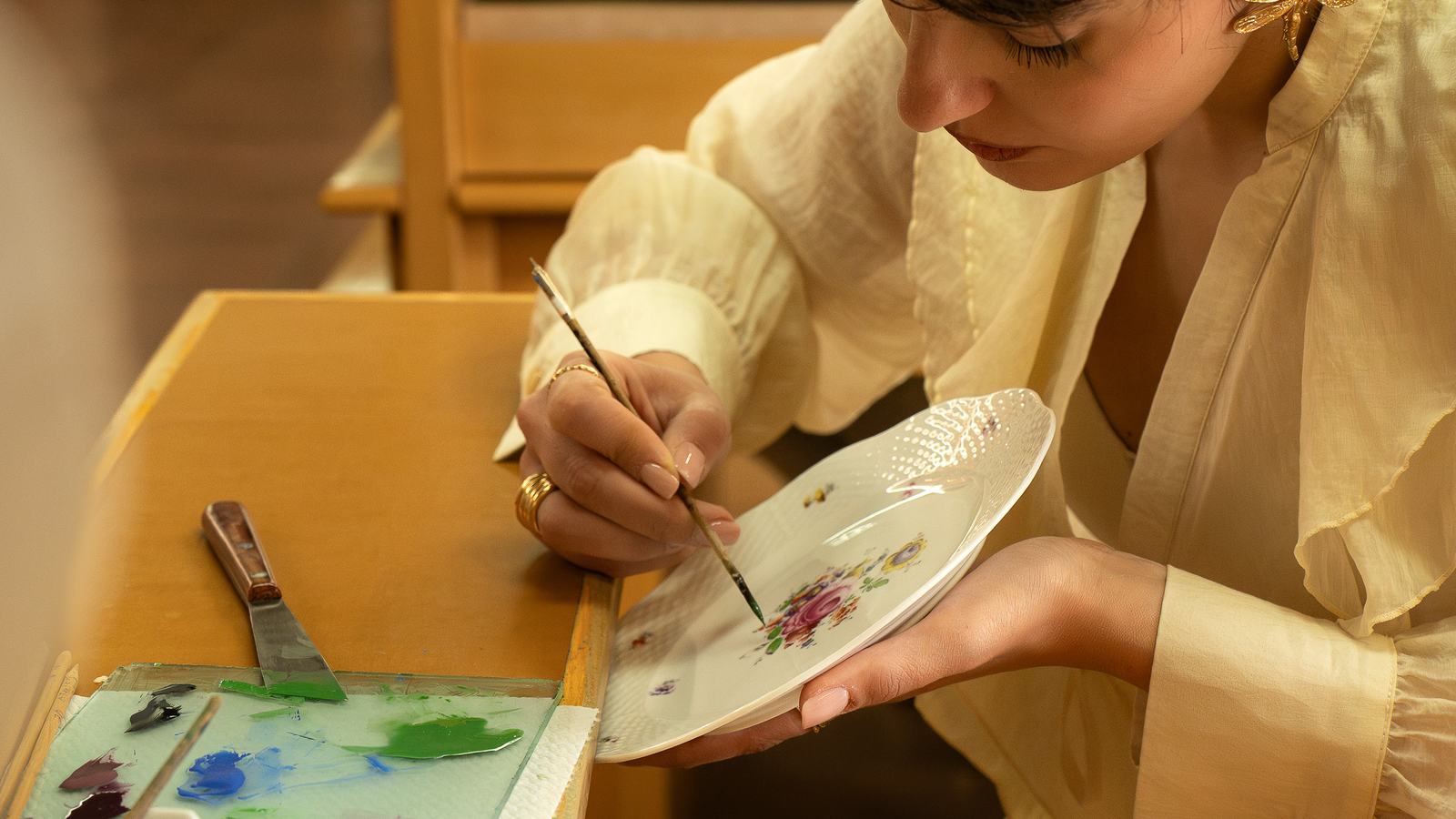
Four Seasons Gresham Palace Budapest has launched a collection of private experiences built around Hungarian food, craft, design and cultural traditions.
Four Seasons Hotel Gresham Palace Budapest has turned Hungarian culture into a collection of private guest experiences that moves well beyond the usual city-tour format. The programme brings together truffle hunting, Herend porcelain, chess, Matyó embroidery and Tokaj wine heritage, giving visitors direct access to traditions that are normally encountered separately.
Luxury travel becomes participation rather than sightseeing
The idea is not simply to show guests well-known Hungarian objects and places, because the experiences are structured around meeting specialists and understanding how each tradition is made or practised. That creates a more personal form of luxury travel in which access, time and context matter more than a checklist of attractions.
For internationally mobile travellers, that approach can make a short stay feel more distinctive because the experience is rooted in people and skills that cannot easily be reproduced elsewhere. It also gives the hotel a stronger connection to its destination instead of offering the same premium template found in every major city.
Truffles, Tokaj and the table
Food and wine are central to the collection, with countryside truffle hunting and Tokaj wine heritage giving guests a route into two very different parts of Hungarian gastronomy. One is immediate and seasonal, while the other carries centuries of wine history and a global reputation far beyond the country’s borders.
That combination is especially relevant to yacht owners and charter guests who increasingly build travel around regional food and wine rather than treating dining as something that happens after the day’s activities. The same appetite for private vineyard access, chef-led dinners and local producers is now visible across top-end hospitality.
Craftsmanship links travel with collecting
Herend porcelain, Matyó embroidery and Hungary’s chess tradition broaden the programme beyond culinary tourism and into design, craft and collecting. These experiences can resonate strongly with guests who already commission interiors, jewellery, watches or yachts and are interested in the processes behind highly skilled handwork.
For SYG Lifestyle, the story is a useful reminder that luxury does not have to mean a seven-figure object. Sometimes the scarce commodity is access to expertise, authenticity and time, particularly when a hotel can connect guests to cultural experiences they would struggle to arrange independently.