New York’s Frick Collection centred its 20 October 2026 Autumn Dinner on architect Annabelle Selldorf and the value of private support for art conservation and education.
The Frick's annual benefit returns to its Fifth Avenue setting
The Frick Collection scheduled its 2026 Autumn Dinner for 20 October at its restored Fifth Avenue mansion in New York. The annual black-tie gathering supports the museum and the Frick Art Research Library, bringing the relationship between cultural institutions and private benefactors into unusually clear focus.
The museum's published programme places the evening within its wider mission rather than treating it simply as a social occasion. Proceeds from such benefits help underpin conservation initiatives, educational work and special exhibitions, all of which require planning and specialist expertise long before visitors encounter the finished display.
Annabelle Selldorf at the centre of the occasion
This year's honouree was Annabelle Selldorf, principal of Selldorf Architects and the architect behind the Frick's renovation and enhancement. Her recognition is particularly relevant at an institution where the architectural character of the original residence forms part of the visitor experience.
Selldorf's role illustrates a familiar but rarely simple question for patrons of historic cultural properties: how to improve accessibility, services and the presentation of collections without obscuring what made a building exceptional. The Frick describes the renovation as a thoughtful transformation that has brought renewed vitality to its setting.
An evening organised around the collection
According to the museum, the planned evening began with a 7 p.m. cocktail reception, followed by dinner and remarks at 8 p.m. These are the institution's announced arrangements; the source does not report a final attendance figure, guest list or amount raised, so none should be inferred from the invitation details.
The location gave the evening particular significance because participants were invited back into the mansion whose renewed public life they were helping to sustain. A historic house museum creates a different atmosphere from a purpose-built gala hall, and its domestic scale is part of the distinction.
Why cultural philanthropy extends beyond a single evening
Supporters sometimes encounter museums through prominent openings and benefit dinners, yet the most enduring work often happens quietly. Conservation involves scientific examination, stabilisation and continuing care, while a research library serves scholars and curators whose projects may take years before reaching public view.
Exhibition costs can include loans, shipping, insurance, interpretation and education programmes. Philanthropic giving can therefore sustain the underlying capacity to make art available and intelligible, rather than simply financing a memorable event on one particular date.
Historic architecture and the modern visitor
The Frick is inseparable from the identity of its Fifth Avenue residence, where art, interiors and domestic history are experienced together. Sensitive investment in the building matters because collections are most meaningful when their setting remains legible and the institution can care for objects appropriately.
For collectors who maintain significant houses, archives or private galleries, the comparison is instructive. Decisions about lighting, climate control, circulation and contemporary access need technical advice, but they also affect the character of a room and the way works of art are understood.
What private collectors can learn
A benefit honouring an architect offers a reminder that stewardship is not confined to buying and lending art. Architectural care, archival support and the long-term costs of conservation all contribute to the survival of cultural collections and to the experiences offered to future generations.
Patrons considering donations should ask how an institution defines its needs, which activities gifts will support and what reporting is available. Event attendance and a charitable commitment can complement one another, but they should not be mistaken for the same form of engagement.
Planning a museum-centred New York stay
The Frick's restored setting makes it an attractive stop for travellers combining New York appointments with focused cultural visits. Its exhibitions and research mission reward unhurried attention, especially for visitors whose interests extend to the histories and practical care of private collections.
Because the 20 October dinner has now passed, the museum's programme page should be read as a record of the announced occasion rather than a ticketing opportunity for a future date. Visitors interested in other benefits or public exhibitions should consult the institution's current calendar directly.
The official record and the illustrated location
The Frick's official Autumn Dinner announcement identifies the date, honouree, institutional purpose and the planned reception and dinner timings. It does not establish how much was raised or who ultimately attended, so those details remain outside this report.
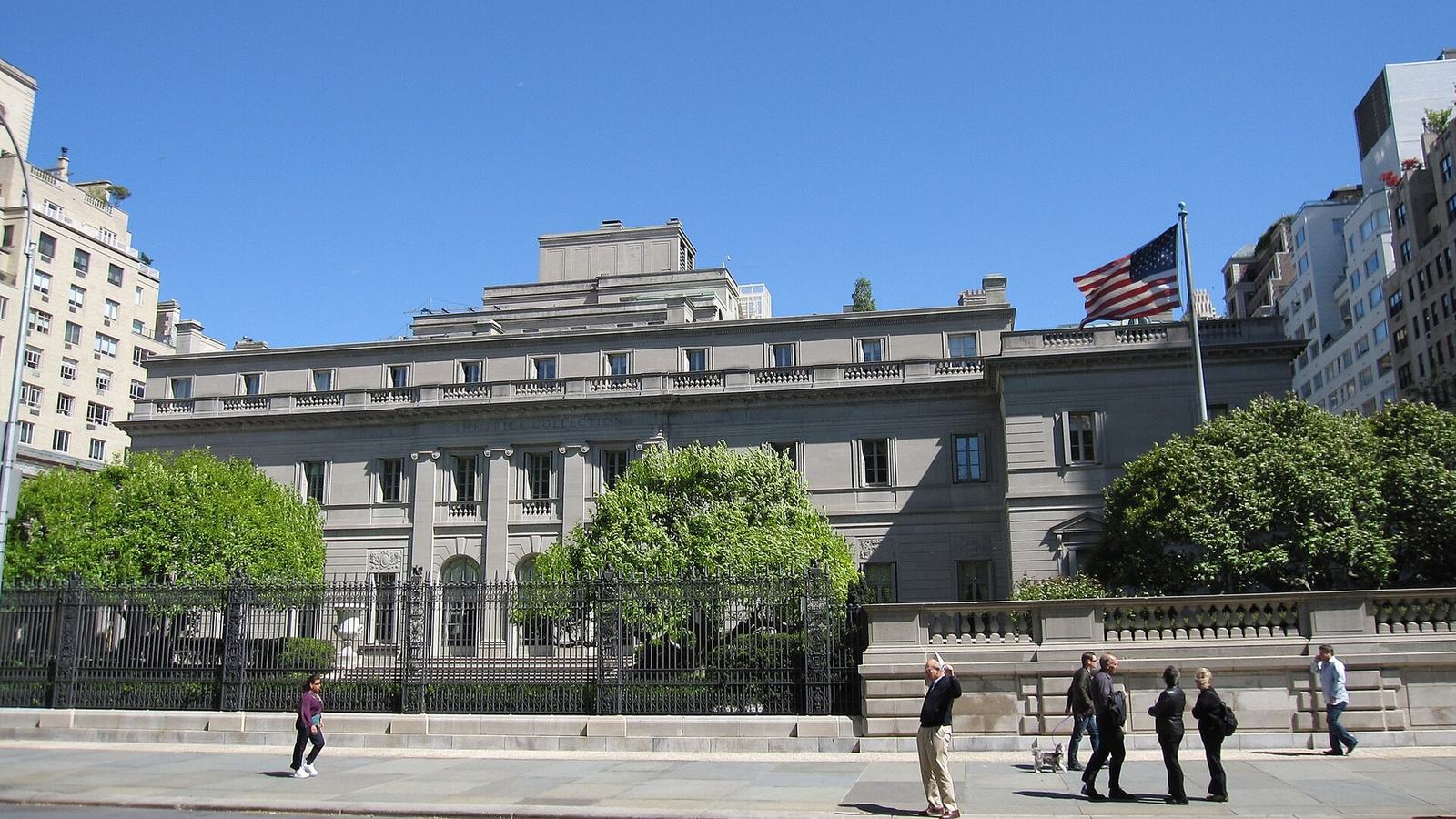
The accompanying photograph depicts the historic Frick mansion exterior, not the benefit dinner itself. It is credited to Gryffindor via Wikimedia Commons and is available under the Creative Commons Attribution-ShareAlike 3.0 licence.
