Global Fashion Agenda opens registration for its May 2027 Copenhagen summit, with new perspectives on design, finance, regulation and material innovation.
Copenhagen will host a new discussion about fashion
Global Fashion Agenda announced on 17 November 2026 that its next Copenhagen Summit will take place on 26 and 27 May 2027 at the Copenhagen Concert Hall, preceded by activities on 25 May. The event's theme is The New Fashion System: Business, but not as usual. Under the patronage of the Queen of Denmark, the gathering will examine a fashion industry in which questions about material supply, design, regulation, financing and environmental consequences increasingly intersect. Global Fashion Agenda has also appointed fashion supply-chain writer and consultant Brooke Roberts-Islam as summit host and programme adviser. For customers of luxury fashion houses and people responsible for purchasing within internationally mobile households, the proposed discussions are relevant because they concern the conditions in which future garments may be made and distributed. They are not a declaration that the fashion industry has already adopted a unified new operating model. The summit will be a platform for exploring possible changes rather than evidence of their implementation.
From finished garments to the chain of production
A customer considering a premium garment may naturally concentrate on fabric, cut, fit and the identity of its designer. The finished object is nevertheless the result of activities involving several different businesses. A fibre may be cultivated or manufactured in one place, spun and woven in another, dyed or finished elsewhere and then assembled into a garment. Particular elements of an intricate couture or bespoke piece can require further contributions from specialist craftspeople. Understanding these relationships matters because a brand's description of a product may concern only one element of that sequence. An assertion about the origin of a particular textile does not necessarily establish the origin of every other component or the conditions under which the garment was made. Global Fashion Agenda's planned emphasis on the value chain encourages examination of the relationships between those different activities. For the buyer, the practical benefit of greater clarity would be an improved ability to distinguish documented characteristics from more general marketing claims.
Design choices can influence production and later use
The organiser identifies design and innovation as important elements in the industry's prospective transformation. Those subjects have particular relevance to luxury clothing, where a customer may expect a garment to retain its appeal over an extended period. Decisions made during design can affect whether a piece is readily altered or repaired and whether an individual component can be replaced without disrupting the rest of its construction. A technically ambitious textile may offer aesthetic or practical advantages while introducing separate requirements for cleaning and conservation. The ability to maintain a garment depends on its actual materials and construction, not simply its purchase price. Designers may also need to balance a particular environmental ambition with the practical performance expected of the finished product. The summit announcement does not identify a single approach that every luxury company will be required to adopt. Instead it provides a framework for considering the different decisions involved in bringing new materials, products and services to market.
What changes in regulation mean for purchasers
Global Fashion Agenda identifies changing legislation as a factor shaping the fashion industry's future. Rules affecting the description, manufacture or movement of textiles may alter what information companies need to retain and communicate to customers. For a buyer who orders garments in several countries, the practical effects can differ according to the location and nature of a transaction. Broad claims about the development of regulation should not be treated as a statement that a particular requirement already applies to every fashion house or every product. An individual business may need to establish the obligations relevant to its markets and activities with appropriately qualified advisers. A customer evaluating sustainability statements can ask for information about the actual product and the basis on which a claim has been made. Where verification depends on a certification or another form of assessment, the scope of that evidence matters. Greater information about a specific garment can be useful even when a wider industry's regulatory arrangements remain subject to change.
Financing innovation beyond the individual fashion house
The summit theme also addresses the relationship between business models and the movement of capital. A company developing an alternative material or manufacturing process may need investment before it can provide the quantities and consistent specifications required by major fashion houses. The intended environmental or technical attributes of a proposal do not remove the need to establish its practical and financial viability. Buyers, manufacturers, investors and designers may approach these questions with different priorities. A luxury brand working with an independent specialist can help explore the use of a particular technique, while the specialist may need longer-term commitments before investing in additional capacity. A family office with investments connected to fashion should distinguish the potential appeal of an innovative product from the commercial prospects of the business producing it. The November announcement describes a forum for discussion of those relationships rather than a fund, financing commitment or independent assessment of individual companies' future performance.
The Innovation Forum and practical connections
The proposed Copenhagen programme includes an Innovation Forum intended to bring together solution providers working at different points in the textile and fashion supply chain. Innovation Networking is designed to connect participants through curated meetings. This is distinct from a conventional fashion show, where much of the attention may be directed towards the presentation of finished garments. A supplier presenting a proposed solution might need to discuss production requirements, material performance and the conditions under which a customer could evaluate it. The usefulness of an initial meeting depends on the evidence and practical arrangements that follow it. A designer interested in a new fabric, for instance, will need to establish whether its properties are suitable for the intended garment, while a manufacturer must consider its own methods of production. Global Fashion Agenda has not published a complete list of confirmed 2027 solution providers in the announcement. Those who intend to meet specific businesses should consult the developing programme rather than assume their attendance.
Relevance to private wardrobes and long-term ownership
A wealthy household may accumulate garments across several residences and use individual pieces relatively infrequently. The value of a well-managed wardrobe can consequently depend on the owner's ability to locate, maintain and use the garments already held. This is particularly relevant when a collection includes bespoke clothing, significant designer pieces or creations made using unusual materials. A garment that is appropriate for formal occasions ashore might require different care from clothing used frequently during a yacht's cruising season. Owners can discuss maintenance and alteration arrangements with the fashion house or an appropriately qualified specialist before selecting particularly complex pieces. Records concerning materials, original specifications and recommended care can help the people responsible for managing such a wardrobe. These practical considerations do not resolve the broader environmental impacts of fashion production, but they demonstrate one way in which a purchaser's decisions relate to the continuing life of a product rather than solely to the initial act of acquisition.
The programme and published registration terms
The organiser has opened registration for the May 2027 edition. Its general admission tickets are listed from €755 to €1,080 according to company size, and premium attendance from €1,295 to €1,640, with VAT additional. Academic and NGO tickets are advertised at €450, the day pass at €594 and online attendance at €295, again before VAT. The latter provides access to the livestream and two weeks of replay. Premium and academic or NGO attendance require an application. The current launch offer provides a fifteen percent reduction until 10 January 2027 and includes the summit's social dinner on 26 May, subject to the organiser's stated conditions. These figures and arrangements should be checked when registering, particularly where participation in a particular session is important to the visitor. Registration does not establish a meeting with a named designer, company or investor. The summit's detailed speaker and session schedule will provide a better basis for planning attendance.
A forum for decisions rather than a new industry standard
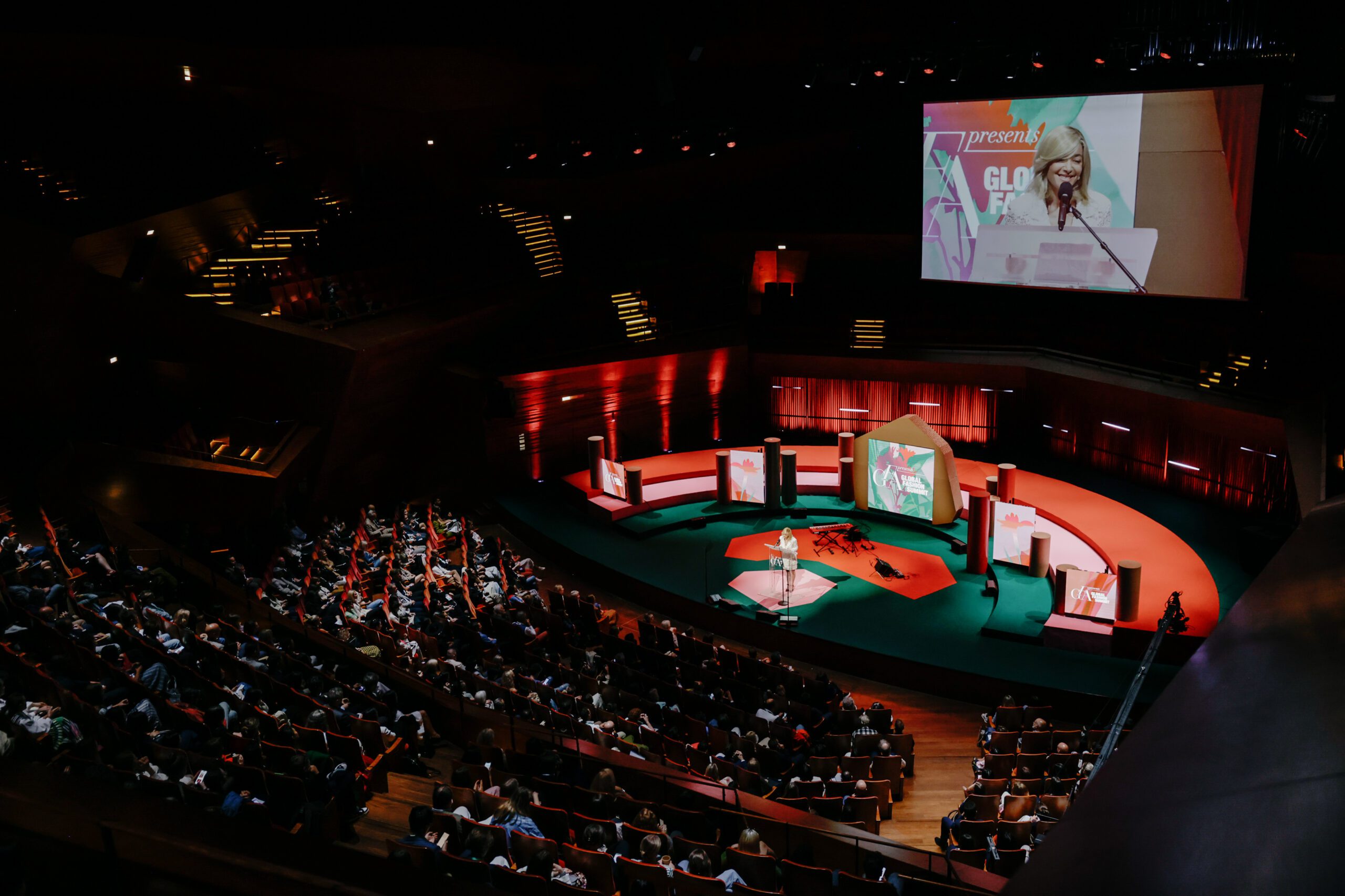
The November announcement identifies a significant opportunity for companies and other participants to discuss the changing nature of fashion production. Its themes concern not only the appearance of future garments but the commercial and technical arrangements through which they will be conceived, manufactured and maintained. A purchaser of luxury fashion can follow those developments with an interest in craftsmanship, the availability of meaningful product information and the continuing quality of the objects acquired. The Copenhagen gathering does not by itself establish new requirements for garment production or demonstrate that any particular proposal has achieved its stated environmental goals. Its value will depend on the quality of the discussions, the evidence provided and the practical collaborations that emerge. The official archival photograph accompanying this report depicts the 2025 summit, not the future 2027 edition. The announcement establishes the proposed dates and programme direction, while the specific results of the gathering remain to be seen.
Primary source: Global Fashion Agenda official summit announcement, 17 November 2026.
Photography: Global Fashion Agenda, official archived 2025 Copenhagen Summit photograph accompanying its 2027 announcement. Official source.