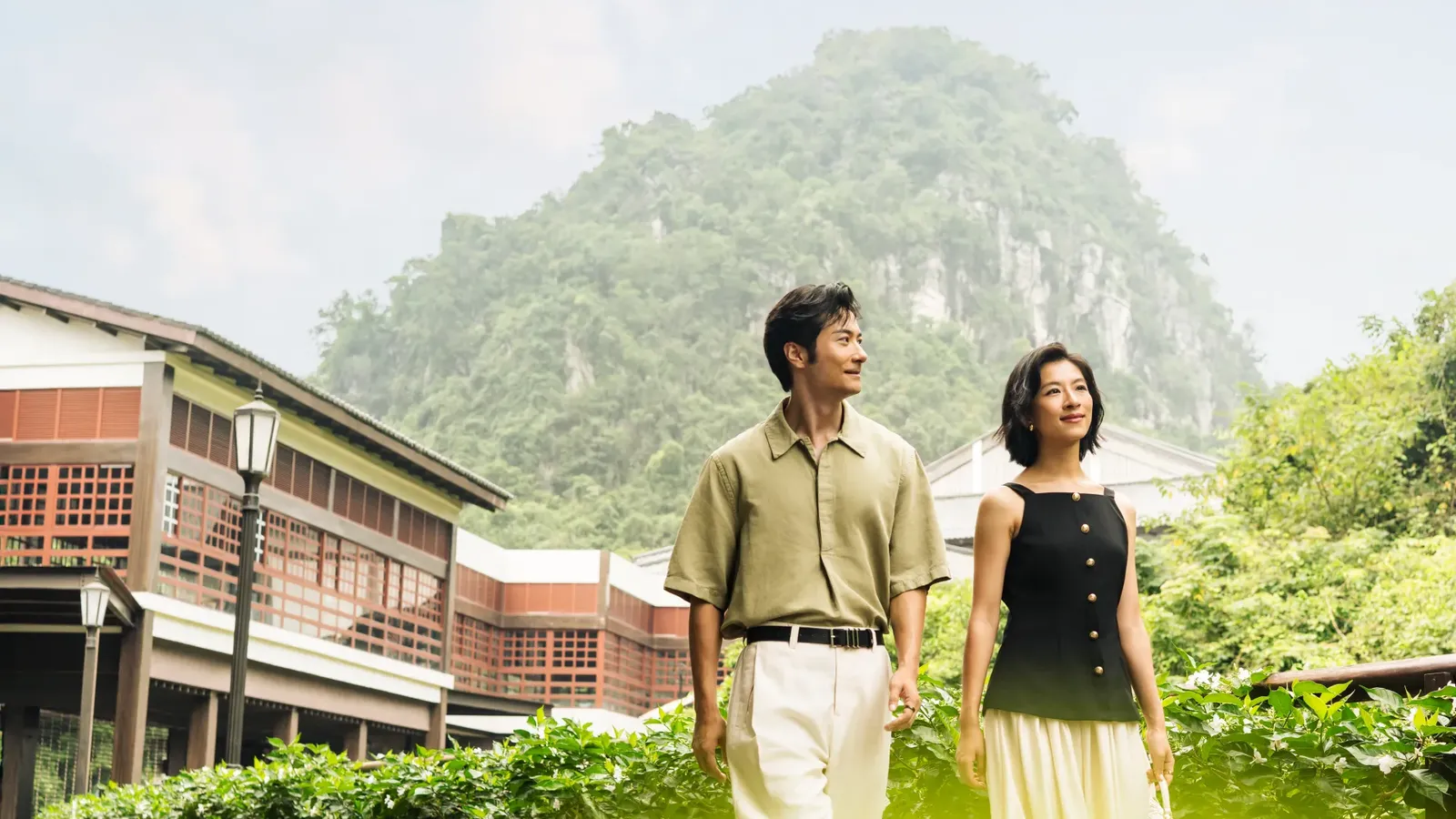
Hilton’s 2027 Trends Report identifies a shift toward flexible, meaningful travel, with shorter trips, personal growth and human expertise gaining importance.
Hilton’s 2027 Trends Report suggests travellers are becoming less interested in engineering the perfect holiday and more comfortable with trips that mix structure and spontaneity. Based on a survey of more than 14,000 travellers across 14 countries, the report identifies five behavioural trends likely to shape planning and hospitality next year.
Perfection gives way to a more flexible mindset
Hilton calls the broader shift The Great Rebalance, describing travellers who are comfortable with experiences that are healthy-ish, local-ish or adventurous-ish rather than perfectly matching an idealised category. The emphasis moves from optimisation toward trips that feel personally rewarding and easier to adapt.
That change may be especially relevant at the luxury end of travel, where guests increasingly expect service to remove friction without scripting every hour. A highly planned itinerary can still exist, but the value lies in leaving enough space for discovery, rest and last-minute decisions.
Trust becomes more valuable as AI grows
One of the report’s themes is the Travel Trust Equation, which looks at how digital tools and artificial intelligence are changing trip planning. Travellers may use technology to compare and organise options, but Hilton argues that human expertise remains important when decisions become more personal or complex.
For premium hospitality, this supports the role of good concierges, guides and travel advisers. Technology can narrow the field quickly, while experienced people can interpret preferences, understand context and make judgement calls that are difficult to reduce to rankings or automated recommendations.
Growth and wellness move beyond spa treatments
The report also identifies Growth Getaways and Wellness, Rewired, suggesting people increasingly want travel to leave something behind after they return home. Learning, reflection, nature and personal development are becoming part of the value proposition rather than simply relaxation during the trip itself.
Wellness is also becoming broader, combining digital tools with analogue practices and outdoor experiences. For resorts, that can mean less emphasis on isolated treatments and more attention to sleep, movement, nature, food and routines that guests can realistically carry back into everyday life.
Shorter trips become a deliberate strategy
Hilton’s Micro-Travel Mindset points to more frequent, shorter journeys rather than one highly anticipated annual holiday. That pattern can favour city breaks, long weekends and tightly focused experiences, particularly when travellers want variety without taking long periods away from work or family responsibilities.
Together, the five trends describe a travel market that values adaptability more than flawless planning. For luxury operators, the challenge will be to combine high standards with freedom, allowing guests to feel looked after without making every experience feel prearranged.
Official sources: stories.hilton.com.
Source
Hilton