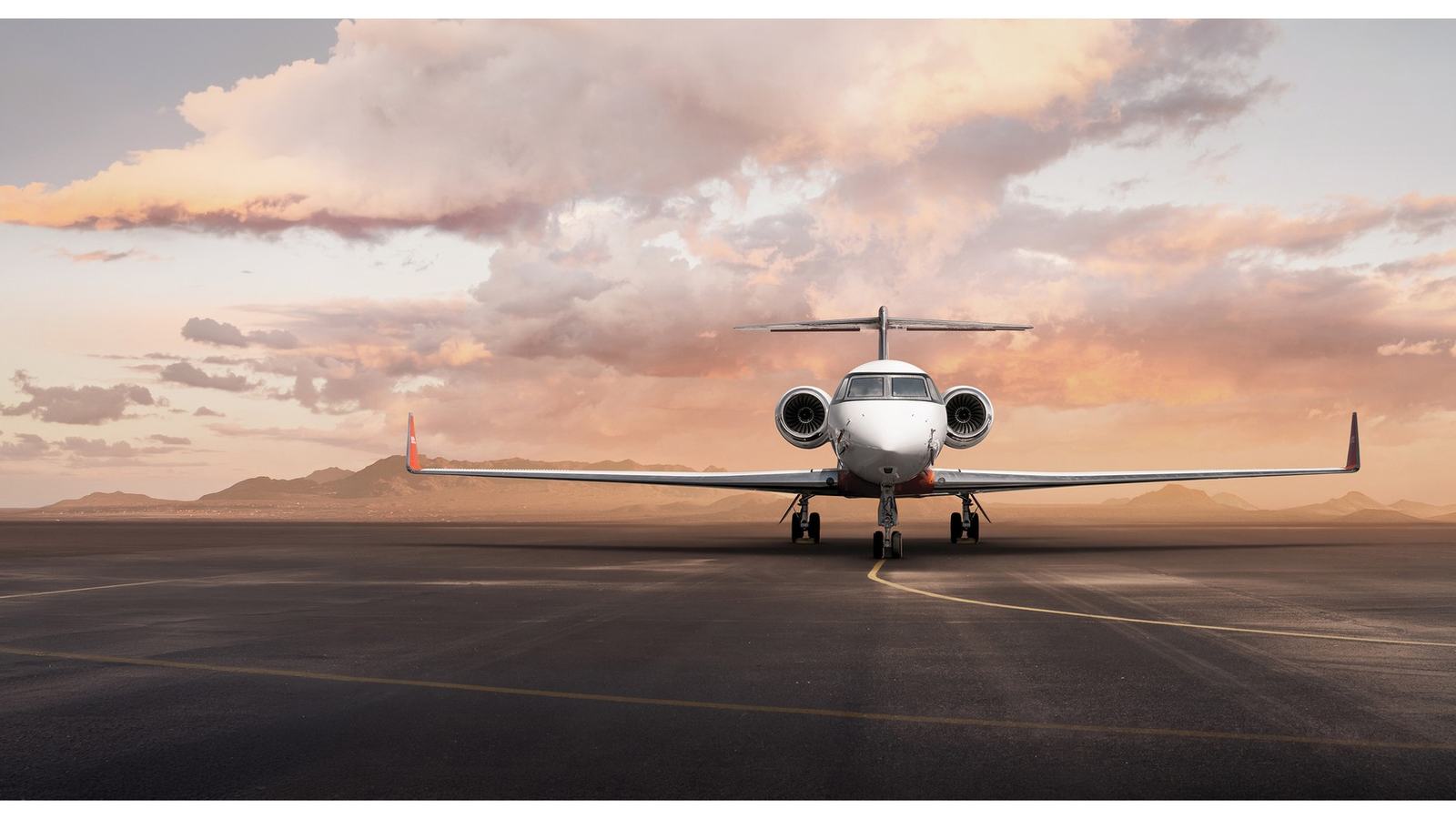
Honeywell Aerospace projects 9,950 business jet deliveries from 2026–2035 and a 29% expansion of the global business aircraft fleet.
Honeywell expects an expanding global private aircraft fleet
Honeywell Aerospace has published its 35th annual Global Business Aviation Outlook, predicting further expansion in business aircraft deliveries and flying activity through 2035. Issued on October 19, 2026, ahead of the NBAA business aviation convention, the forecast points to growth in private ownership as well as charter, managed-fleet and fractional aircraft operations.
The figures are forecasts rather than confirmed orders or a count of aircraft already delivered. They reflect Honeywell's analysis of operating trends, fleet composition and operator responses, which can change as economic conditions and the aviation industry evolve.
Almost 10,000 new business jets are projected
The company expects approximately 9,950 business jet deliveries during 2026–2035, alongside around 4,200 turboprop deliveries. Its wider estimate of roughly 14,000 business aircraft deliveries includes segments that were not fully represented in earlier versions of the outlook.
Honeywell says the business jet projection is 4.4 percent higher than its previous annual forecast, but comparisons need care because this year's report has widened the categories considered. A percentage improvement in an outlook is not the same as an equivalent annual rise in actual factory output.
Fleet size could increase by nearly a third
Honeywell predicts the worldwide business aviation fleet will rise from approximately 39,400 aircraft in 2025 to almost 51,000 in 2035, a gain of about 29 percent. New deliveries and the rate at which older aircraft leave service both affect this total.
A larger installed fleet may generate business for maintenance providers, airport facilities, flight crews and equipment suppliers. The increase will not necessarily be spread evenly across all regions, and each airport will have to consider local capacity, regulatory rules and aircraft types.
Private aviation may grow faster in use than in aircraft numbers
One of the forecast's clearest distinctions is between aircraft deliveries and how extensively aircraft are flown. Honeywell expects global business aviation flight hours to increase by roughly 34 percent over the decade, suggesting that many operators will make more intensive use of their fleets.
Charter companies and fractional programmes can distribute operating costs across customers and missions, allowing individual aircraft to spend more time in service than some wholly privately owned examples. That utilisation may influence demand for maintenance, crew scheduling and reliable access to airport slots.
Nine in ten operators expect stable or increased flying
The report says around nine out of ten surveyed operators expect to fly the same number of hours or more in 2027 than in 2026. Such intentions can provide a near-term indicator of confidence even when broader economic forecasting remains uncertain.
Intentions are not flight records and will not guarantee the same outcome if fuel costs, insurance, airspace access or business activity change unexpectedly. Readers should distinguish a survey expectation from a committed charter reservation or a firm aircraft purchase order.
Midsize jets offer a particular growth prospect
Honeywell expects midsize business jets to grow at a notably faster rate than other segments, forecasting roughly 40 percent fleet expansion in that category. The appeal includes a balance of cabin comfort, travel range and operating costs for customers who do not always need the largest long-range aircraft.
Large-cabin jets are still expected to represent the largest proportion of the industry's new-aircraft value. For buyers, the appropriate size depends on actual passenger numbers, baggage, mission distance and airport requirements, not simply the most ambitious headline range.
A broader definition changes the outlook
This year's study explicitly broadens coverage to include business turboprops and personal jets that were excluded from some previous editions. That makes the picture more representative of different kinds of business and personal aviation, but also limits direct comparisons with older totals.
Honeywell's findings are particularly relevant to owners comparing full aircraft ownership, managed operation and a fractional share. Those models differ in capital commitment, flexibility, operating control and the ability to select a specific aircraft for each journey.
Implications for luxury travel and service providers
High-net-worth travellers may encounter the effects of fleet expansion through charter availability, new cabin types and changing service offerings, although more aircraft do not automatically mean lower prices. Crew supply, fuel, maintenance and access to busy airports remain practical constraints.
The original Honeywell Aerospace forecast announcement provides the 2026–2035 figures. The accompanying photograph was supplied with the company's official release, and its purpose is to illustrate business aviation rather than identify a particular ordered aircraft.