InterContinental Yokohama Pier 8 introduces a two-night New Year celebration with Japanese seasonal customs, waterfront accommodation and an optional harbour cruise.
A waterfront celebration with a maritime identity
InterContinental Yokohama Pier 8 has announced a two-night New Year stay covering 31 December 2026 to 2 January 2027. Reservations opened on 13 November. The hotel, located within the Yokohama Hammerhead waterfront development, is building the package around private time inside the property, festive meals and activities intended for resident guests. Its New Year's Day harbour cruise is a separately charged option according to the conditions published by the operator.
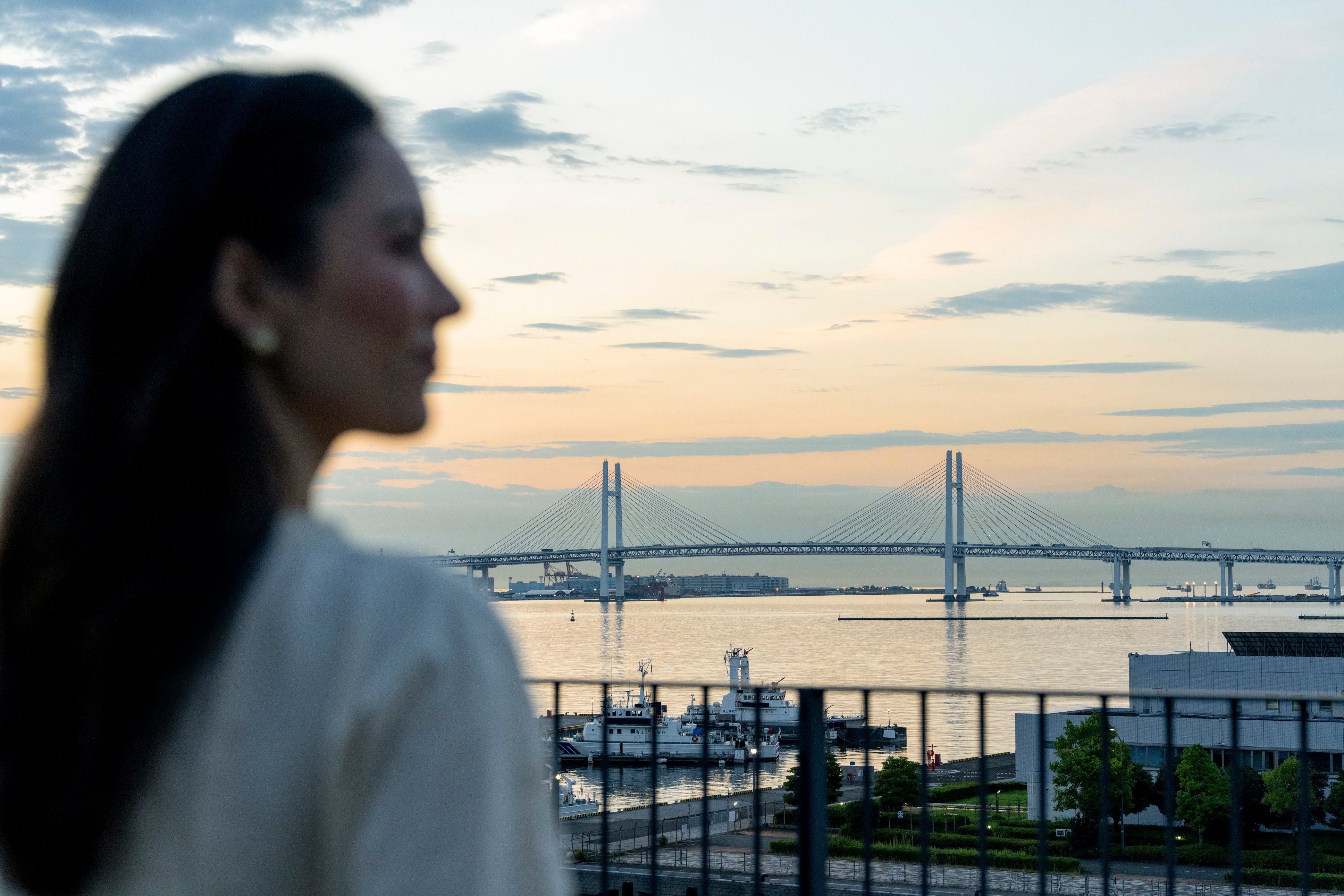
For a superyacht owner or charter guest, Yokohama provides a different perspective on maritime travel. Rather than spending the winter holiday aboard a vessel, a family can take a comfortable room overlooking the working harbour and enjoy the movement of ships and changing waterfront scenery. The interest of this offer lies in its geographical setting and its Japanese seasonal traditions, not simply in the headline promise of an elaborate celebration. The hotel provides a land-based environment in which the character of a port remains visible throughout the stay.
Why a port city changes the setting
Many prestigious hotels frame their rooms around urban skylines, gardens or beaches. At Pier 8, the connection with a port is central to the property's identity. The waterfront arrangement makes the rhythms of a marine city part of the visual experience: ships arrive and leave, weather changes the appearance of the water, and the relationship between land and sea shifts through the day. A guest accustomed to spending time afloat may find it refreshing to experience that activity without taking responsibility for a vessel's movements.
A well-chosen room can be a principal element of a winter holiday. The operator identifies large windows and a maritime design theme throughout its accommodation, but the exact orientation and view should be confirmed for the selected room category. Some guests may prefer a direct harbour outlook, while others value quietness, room layout or access to the club lounge. Do not presume every accommodation unit offers precisely the same view or amenities. A conversation with reservations is worthwhile when the setting is central to the purpose of the visit.
What the two-night package establishes
According to the announcement, prices begin at ¥326,000 including consumption tax and service charges, with availability and the final rate subject to demand. The operator identifies a reservation window running until 24 December. The package includes meals and access to specified hotel activities; separately charged options are described in the conditions. Guests should obtain a full quotation for the desired room, dates and party size rather than interpret the advertised starting amount as a fixed price.
Parties travelling with family members of different ages should also confirm which activities and facilities are appropriate for each guest. A celebration designed around a hotel stay can be especially appealing when it is possible to return easily to a private room between events. But the requirements of a family may differ considerably from those of a couple, and arrangements for children, additional rooms or particular dietary needs deserve careful attention before finalising the booking. The advantage of spending two nights is the opportunity to enjoy the occasion without having to check out immediately after the festivities.
The evening of 31 December
The proposed first evening revolves around dinner at Larboard, the hotel's restaurant and bar, followed by a New Year's Eve gathering. The announcements describe entertainment during the evening and the opportunity to hear the harbour's New Year ship whistles from the hotel or guest accommodation. There is an appealing difference between watching a carefully produced indoor performance and being aware of the life of a port beyond the building. Visitors may choose to enjoy the atmosphere without needing to participate in every scheduled event.
For an international party, the transition between dinner and midnight deserves particular consideration. People arriving from different time zones may wish to remain flexible about how late they stay awake. It can be sensible to establish an earlier dinner arrangement, allow some time to recover from travel and decide on the evening's activities later. Confirm the restaurant's available sittings and any access or age-related conditions for individual events. The objective of a festive gathering should be the pleasure of spending time together, rather than the completion of a predetermined list of activities.
Traditional foods and the New Year
The hotel has announced entertainment involving year-end soba and a traditional opening-of-the-sake-cask ceremony on New Year's Day. These customs can make the celebration more meaningful for travellers unfamiliar with Japanese seasonal traditions. The experience is not simply another international gala dinner translated into a different language; it offers an introduction to some of the rituals associated with the change of year. Guests wishing to understand their cultural significance can ask the hotel staff to explain the background of the activities.
The operator also offers an optional osechi meal, a form of festive food traditionally associated with the Japanese New Year. Its published option carries an additional room-based charge of ¥30,000 including tax but excluding service charge. Obtain the current menu and confirm the number of people it is intended to serve. Travellers who already have dinner and breakfast arrangements within the package may prefer to keep this optional element for the cultural experience rather than add further meals to an already substantial programme.
The harbour cruise and its conditions
The New Year's Day programme includes the opportunity to return to the water on a specially arranged cruise. This is likely to interest guests who normally celebrate aboard private yachts, because it presents the harbour as part of the holiday rather than simply a backdrop seen from a window. Nevertheless, the excursion is not represented as an exclusive superyacht charter. The hotel states that it is available to qualifying two-night package guests for an extra charge and may be cancelled because of weather.
Ask the reservations team to confirm the vessel, boarding arrangements, duration and relevant conditions for participating. Winter water temperatures, wind and exposure can make an otherwise attractive excursion less comfortable than expected. Guests with mobility requirements should establish how they will embark and disembark. The holiday should have an equally pleasant alternative if the cruise cannot operate. One of the virtues of making the waterfront hotel the principal base is that the celebration does not depend entirely on the availability of a boat.
Time ashore in Yokohama
A two-night visit will leave only a limited period for exploring the city once meals and festivities have been considered. Guests may therefore choose to extend their visit independently rather than try to fit a long series of attractions around the New Year programme. Yokohama's urban waterfront makes walking and discovery attractive, but holiday opening schedules and crowd levels will affect the experience. A concierge should confirm which locations and services will actually be available during the intended visit.
For a party interested in maritime history or contemporary architecture, the hotel can be a starting point rather than the only destination. A short outing to an appropriate public waterfront space, followed by free time in the room, could offer a comfortable rhythm. Let the conditions determine the amount of time spent outdoors. A cold or wet afternoon may be better devoted to an activity within the hotel than to a tour planned months earlier. Guests with a genuine interest in the port should seek opportunities to understand its role without entering restricted operating areas.
The restaurant as a part of the itinerary
Larboard is scheduled to provide the package's principal dinner, with the announcement describing a menu that combines Yokohama-inspired French cuisine with sushi and a champagne toast. This is a sufficiently individual culinary proposition to justify reviewing the current menu rather than assuming it follows a standard international festive format. Guests who have travelled extensively may appreciate the opportunity to experience ingredients and techniques in a new context. Ask whether changes are possible in the event of dietary requirements, and provide this information well before arrival.
For a large private group, meal timing and service arrangements should be coordinated through a single point of contact. This avoids confusion over individual bookings and gives the kitchen sufficient notice of special requests. A family accustomed to the highly personalised service of a private yacht may need to adjust its expectations to the structure of a hotel's New Year event. It is better to understand the format beforehand than to expect last-minute alterations that may affect the experience of other guests.
Choosing between the room, rooftop and lounge
InterContinental Pier 8 opened in 2019 and, according to the operator, contains 173 guest rooms of at least 46 square metres. Its rooftop and club-lounge facilities provide different ways of experiencing the waterfront, subject to the applicable access arrangements. The hotel describes a continuing emphasis on the relationship between its rooms and the sea. This setting makes accommodation category an important part of the visit, rather than merely somewhere to sleep between outings.
Guests who prefer an independent evening should ask about the arrangements for in-room dining, while those interested in meeting other travellers may prefer the hotel's shared event spaces. Club-lounge access applies to appropriate bookings, and should not be assumed to come with every room or every package. For a celebratory holiday involving several generations, confirm what options are available to everyone rather than booking one category with benefits that members of the group cannot all share. Careful room selection helps make the broader programme feel effortless.
A maritime holiday without a demanding passage
The Pier 8 New Year offer is interesting because the maritime atmosphere remains central even when the celebration takes place on land. The hotel brings accommodation, seasonal customs, food and a possible cruise together in an established waterfront setting. It does not promise a particular private vessel or establish berthing arrangements for visiting superyachts. Owners contemplating a separate yacht visit to the region should obtain current local port and agency advice rather than treat hotel reservations as an arrangement for marine access.
The two-night structure offers a useful balance between a memorable evening and time to enjoy the following day. Confirm the quoted accommodation rate, all optional charges, meal arrangements and the current programme with the property before booking. The cruise should be regarded as a weather-dependent addition rather than an essential commitment. For travellers who value a connection to the sea and wish to encounter Japanese traditions, the opportunity is to experience a familiar maritime world from a different and unusually comfortable vantage point.
Primary source: InterContinental Yokohama Pier 8 Hospitality / PR TIMES.
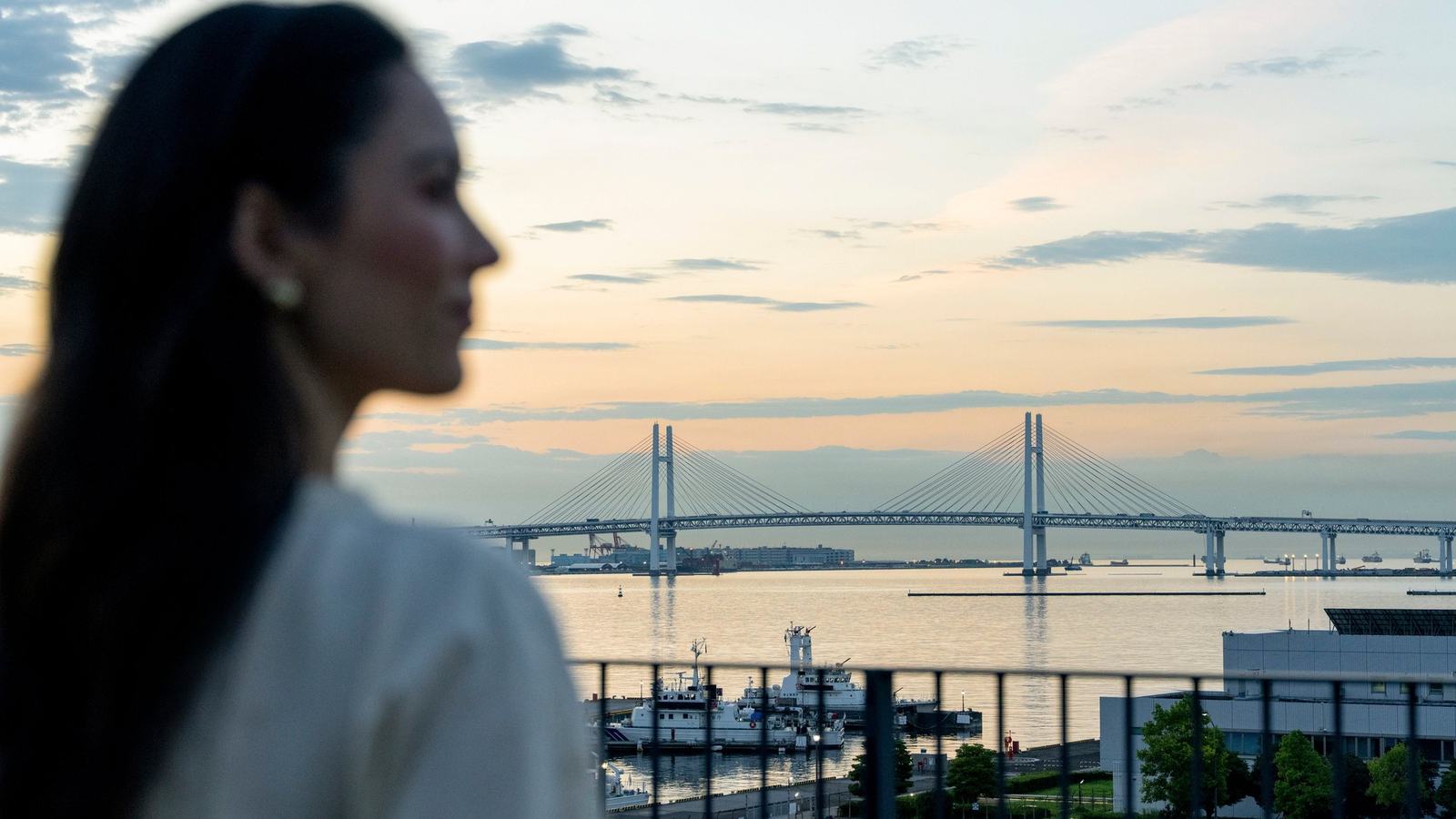
InterContinental Yokohama Pier 8 Hospitality, official 13 November 2026 press-release photograph. Official source.