A slow-paced Scottish superyacht itinerary centred on the Isle of Jura, its waterfront distillery, Paps, wildlife and carefully planned tender and shore operations.
An island of quiet luxury
The Isle of Jura makes an unusually compelling landfall for a superyacht whose guests want privacy, landscape and a sense of place. Lying off Scotland's west coast beside Islay, it is a place of steep hills, sheltered eastern bays and a wild Atlantic-facing side. There is little need for spectacle ashore. The appeal comes from the contrast between the vessel's comfort and an island where the horizon is still dominated by the Paps of Jura, open water and long views towards neighbouring islands.
That contrast asks for a slower itinerary than a conventional port call. Guests can arrive by tender for a carefully arranged village visit, spend the afternoon walking or learning about island whisky, and return to the yacht for dinner with the coast still in view. A local guide, a thoughtful tasting and time to notice the light can make a stronger impression than several rushed excursions. The crew's first responsibility is to match that aspiration with sound decisions about anchorages, tenders and the exposed waters around Jura.
Craighouse and the distillery by the sea
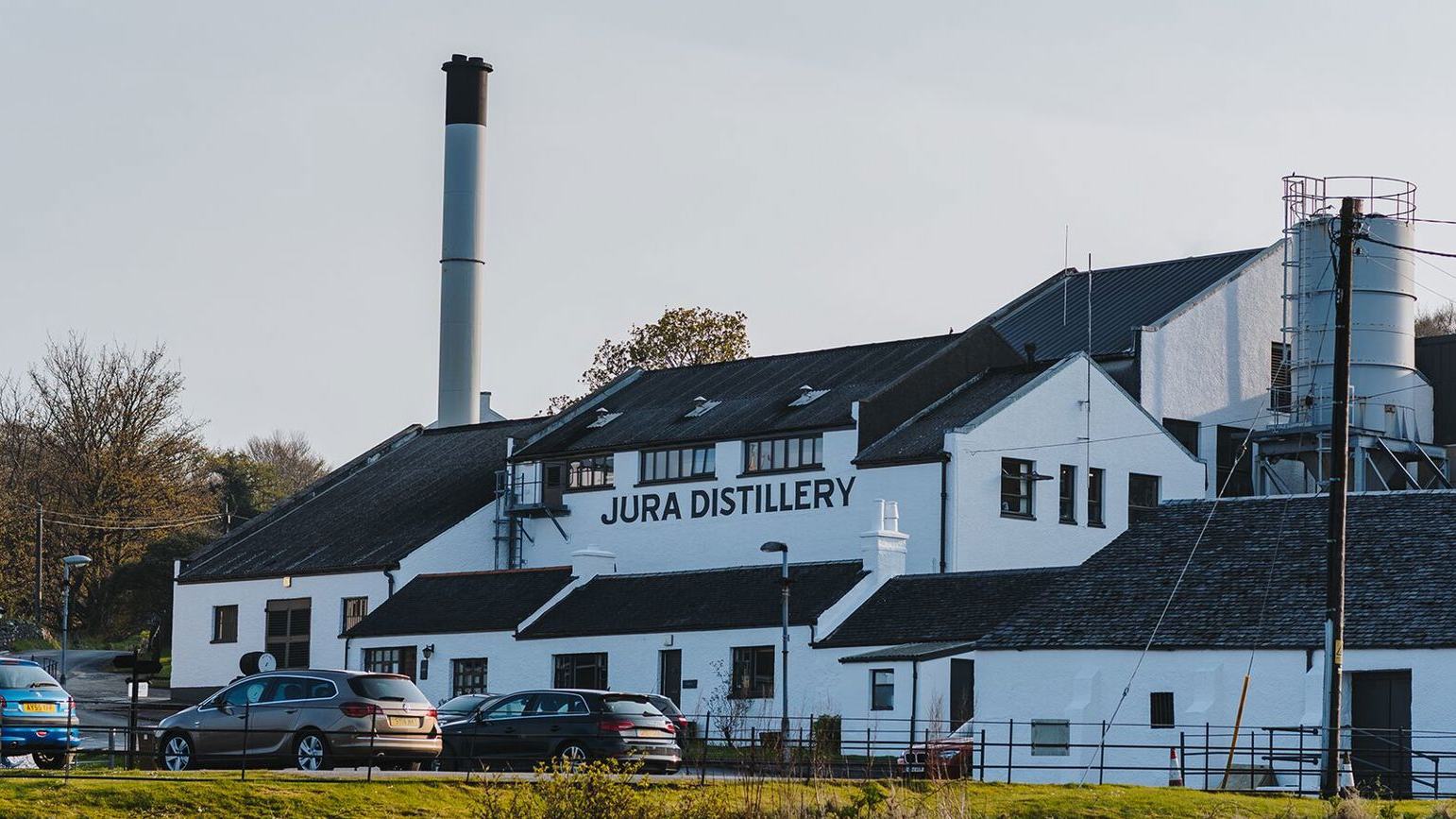
Craighouse is the natural cultural centrepiece of a visit. The village sits on the eastern shore, with the Isle of Jura Distillery closely associated with the waterfront. Its history dates to 1810, according to the whisky producer's own account, although the modern operation was revived in the twentieth century. Visiting the distillery places the familiar spirit in its island setting: water, malt, copper stills, casks and an unusually close-knit community, rather than only a bottle presented at a tasting table.
The distillery's official website describes its tall stills and the role of local water in its production, while VisitScotland identifies a distillery visit as one of the island's defining experiences. Tours and any special arrangements should be booked and confirmed with the operator, particularly for private parties. Guests interested in whisky collecting may want to discuss mature releases and cask influences, but availability, bottle allocations and prices change. No itinerary should promise exclusive access until the producer agrees the details.
The art of an island whisky experience
A memorable tasting is about context as much as the dram. Begin with the geography: rain and snowmelt descend from the Paps, and the distillery draws on this local setting as part of its story. The official producer explains that unusually tall stills influence the spirit's contact with copper and help shape its fruity profile. That kind of tangible explanation gives guests a reason to compare different ages and wood influences carefully, rather than selecting a whisky solely because a label is rare.
For a refined programme, allow guests enough time to walk between the distillery and the shoreline before or after the visit. Those who do not drink alcohol should have an equally considered alternative, whether a landscape walk, a café stop or time for photography. Private hospitality works best when it respects the limited scale of an island community. Organise transport and tasting arrangements in advance, and ensure the tender timetable leaves generous margins for delays caused by weather.
Walking beneath the Paps of Jura
The Paps are the island's unmistakable landmark, rising in rounded, steep-sided profiles above the sea. Their presence transforms the scenery as a yacht approaches from different directions. A full mountain outing is a serious undertaking rather than a casual shore excursion, and guests should not be encouraged onto demanding ground without suitable fitness, equipment, local assessment and a professional guide when appropriate. A shorter, lower-level walk can be more rewarding for a mixed group.
Wildlife watching has particular appeal along Jura's quiet roads and coastal margins. Red deer are part of the island's identity, and VisitScotland also points visitors towards opportunities to notice otters, seals and birds across the broader Islay and Jura landscape. Encounters are never guaranteed, nor should animals be approached closely for a photograph. A patient guide who understands the seasons, access rights and changing weather helps turn an apparently simple walk into an informed encounter with the island.
A coast that rewards a serious skipper
Jura's eastern side and the Sound of Jura are associated with cruising opportunities, but choosing a suitable location for a large superyacht is a vessel-specific decision. Historic sailing guides describe visitor moorings near Craighouse and attractive anchorages elsewhere around the island, yet their listed depths and facilities are not substitutes for current port information or verified hydrography. The yacht's length, draught, swinging circle, local traffic and the prevailing forecast must determine what is practical.
The waters around Jura are also shaped by strong tidal streams in some passages. Nearby Corryvreckan is famous for powerful tidal conditions, which make it a subject for expert local seamanship and appropriate guided observation, not a casual tender adventure. Guests can experience the drama of this landscape from safe positions or through a properly planned professional trip. A captain should never interpret a scenic travel article as pilotage instructions: the latest charts, tidal publications and local notices remain essential.
The wild western shore
The island's west coast is a different world from the relative intimacy of Craighouse. It faces open water, with a more rugged shoreline and far fewer easy landing options. For suitable weather windows, an offshore view of the coast can be the highlight of the voyage, particularly when evening light catches the hills. It is a setting that suits quiet observation from the deck as much as active exploration, and there is no reason to push tenders towards inaccessible coves merely for a closer view.
Ashore, Jura's remoteness has attracted writers and visitors looking for solitude. VisitScotland notes the island's association with George Orwell and the completion of his novel Nineteen Eighty-Four here. That story offers a cultural thread for guests interested in literature and place. Any visit to sites connected with private property must respect permissions and actual access arrangements, however. The strongest itineraries create a narrative without turning a remote landscape into a stage set.
A two-day superyacht programme
A considered first day might begin with arrival in suitable waters on the eastern side, followed by a tender transfer to Craighouse when conditions allow. After a distillery visit, spend time in the village and return for an onboard meal that draws on Scottish seasonal ingredients. The evening can remain unscheduled, giving guests the space to watch the coastline or enjoy a curated whisky conversation with an informed host. If weather interrupts tender operations, the vessel should have an attractive onboard alternative ready.
The second day can centre on a guided landscape outing, either a gentle walk or a more adventurous excursion appropriate to the guests. A scenic coastal passage may follow if the master considers sea state and tide suitable. Some yachts will combine Jura with Islay, whose distilleries and coastal culture offer a different personality, but adding a destination should never erode the pleasure of time spent on Jura itself. The itinerary works because it is selective rather than exhaustive.
Hospitality with a light footprint
An island with a small resident population benefits from careful coordination. Book local guides and experiences directly, support businesses that can accommodate the party, and avoid placing unexpected demands on limited transport or services. Large tender groups should be staggered when appropriate, with considerate use of public landing places. A local cultural visit becomes far more rewarding when crew understand the community's ordinary rhythm and allow guests to meet the place on its terms.
For photography and filming, seek permissions where needed and avoid disturbing wildlife or private homes. Weatherproof layers and good walking footwear matter even when the yacht itself feels warm and sheltered. Scotland's western islands can change from clear to misty conditions rapidly, and a beautiful morning does not promise an equally straightforward evening recovery. With discreet logistics and genuine curiosity, Jura offers something the grandest resort cannot reproduce: room to slow down.
Planning details worth confirming
Before finalising the voyage, verify current distillery opening and tour arrangements, shore transport, landing permissions and tide-sensitive passages. The master should choose anchorages independently using current nautical information, not an older tourism leaflet. Tender operating limits, medical contingencies and the comfort of less mobile guests deserve explicit consideration. Weather may make a private tasting aboard preferable to an awkward shore transfer, but such arrangements still require separate agreement with the relevant supplier.
Jura demonstrates that luxury cruising can be defined by access to landscape and authenticity rather than facilities alone. Its distillery is a destination in its own right; the Paps and wild coast supply the scale; the village supplies a human centre. For guests who are content with an unscripted hour and a carefully planned day, the island can become one of the most memorable stops on a Scottish superyacht itinerary.