A high-value Kodiak Island superyacht expedition guide, using official U.S. Fish and Wildlife, Kodiak harbors and marine-weather sources for coastal planning.
Kodiak: an expedition at the edge of the North Pacific
Kodiak Island sits in a part of Alaska where the romance of expedition cruising is inseparable from competent seamanship. Forested slopes, storm-shaped headlands, salmon waters and remote coves form an unusually compelling backdrop for a superyacht that is comfortable operating beyond conventional marina circuits. The island’s appeal is not a single iconic anchorage but the ability to design several days around changing weather, shore wildlife and the rhythm of a working maritime community. A well-run yacht can provide luxurious accommodation without diminishing the sense of distance that makes the region memorable.
Unlike a Mediterranean destination where harbor reservations often dictate the schedule, Kodiak rewards a genuinely flexible expedition plan. Local forecasts, open-water swell and the availability of protected approaches can change what is sensible on a given day. Owners should regard a proposed route as a set of possibilities rather than a guaranteed sequence of landings. The most enjoyable experience may alternate between an offshore passage, a secure harbor rest day and a carefully supervised wildlife excursion when weather allows.
The central attraction for many guests is the contrast between life aboard and the coast immediately beyond the rail. A yacht can deliver warm interiors, excellent food and unobstructed views of steep green shores while leaving the surrounding habitat untouched. That contrast becomes most meaningful when the captain and guide have selected a route that respects the boat’s draft, the area's charting limitations and the unpredictable character of Alaskan weather.
Arriving at the working port of Kodiak
The city of Kodiak offers a useful logistical starting point rather than an isolated luxury resort. Its official harbor information lists two city-operated marinas: St. Paul Harbor downtown and St. Herman Harbor on Near Island. The city says transient vessels may be placed in vacant slips for short-term use, with assignments arranged through the harbor office and subject to space and vessel size. A superyacht captain should contact the harbormaster directly instead of assuming that an available-looking berth is public or suitable.
Published city details list a range of slip sizes and describe separate inner harbor docks used for loading, unloading or vessel work. These practical facilities can make Kodiak an important point for fuel coordination, provisioning, crew changes and maintenance, even when the owner’s itinerary is focused on remote anchorages. The exact berth, available services and permissible length must be agreed with the harbor office before arrival. The city's published dimensions should not be treated as a substitute for an up-to-date berth assignment or maneuvering assessment.
The port is also a chance to reset the expedition. A crew can check charts, forecast zones, engine and tender readiness, and the next suitable weather window while guests learn more about Kodiak’s maritime character. Responsible planning includes emergency contacts, fuel margins, a realistic communications plan and an agreement about when to abandon an exposed shore visit. In the northern Pacific, a pleasant morning beside the quay is not proof that an offshore leg will be comfortable later that day.
Exploring the national wildlife refuge by water
The U.S. Fish and Wildlife Service explains that Kodiak National Wildlife Refuge is accessible by boat or floatplane and that variable weather can delay departure. That observation matters as much to an expedition yacht as it does to a visitor traveling by small aircraft: a planned remote stop should include supplies and timetable margin for a longer stay. The refuge encompasses habitat used by bears, birds and other wildlife, but protected land does not mean that all beaches are appropriate for recreational landings. Routes and activity permissions require local verification.
From the water, green hillsides and indented coastlines may offer remarkable opportunities to observe the landscape without going ashore. A quiet approach at an appropriate distance can be more rewarding than a rushed landing, particularly if weather, surf or wildlife activity makes the beach unsuitable. The yacht should remain in safely navigable water while trained crew assess anchoring and tender-transfer conditions. No itinerary should promise the sighting of a particular animal, however strong Kodiak’s wildlife reputation.
The refuge’s public-use cabins and visitor information illustrate how remote the region can be. Fish and Wildlife Service notes that refuge cabins have limited facilities and boat-or-floatplane access, which should reinforce the need for yacht self-sufficiency. Where shore visits are legally permitted, guests need clothing suitable for wet, cold conditions, guidance on minimizing their impact and a clear return schedule. A luxury vessel can add comfort to the voyage, but it cannot make wilderness risks disappear.
Brown bears: the highlight that calls for the greatest restraint
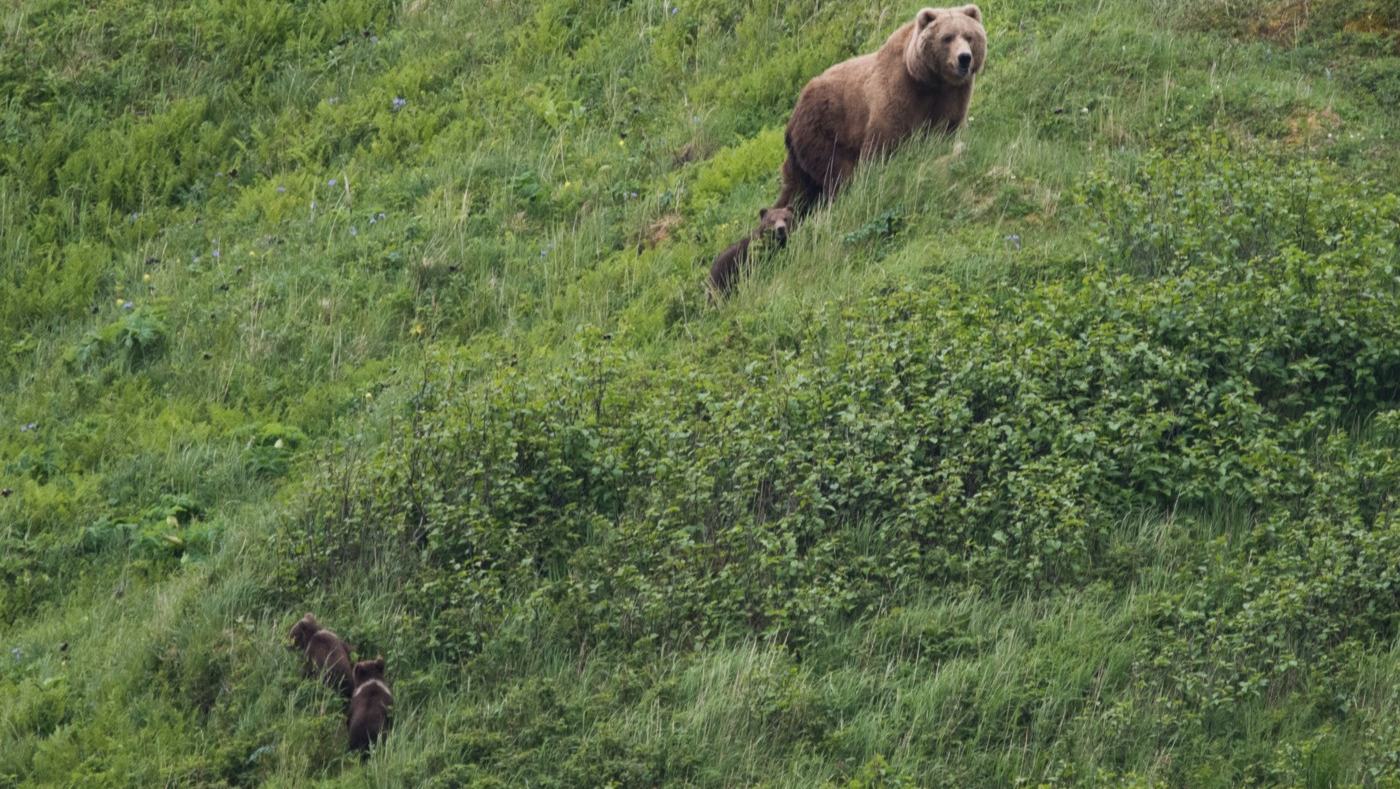
The Kodiak brown bear is one of the region’s most recognized wild residents, yet encounters must be planned around the animals’ welfare rather than the photographer’s wish list. Fish and Wildlife Service recommends guided bear-viewing options away from the road system, especially in remote areas, and warns that close approaches can stress bears or create unsafe surprises. It advises visitors to choose open, slightly elevated viewing positions, avoid travel corridors and dense cover, and use telephoto lenses rather than approaching an animal for a close-up. These are practical rules for any guest hoping for a responsible experience.
The refuge makes an important distinction between watching bears and interfering with them. Food and rubbish must be carefully secured, bear feeding is forbidden under state law, and predictable, quiet movements are essential. Guests should stay together, heed the guide and withdraw or adjust if an animal responds to their presence. Mothers with cubs and bears defending food require particular caution. A yacht’s tender should not be used to press wildlife against the shoreline or to create a closer photograph than safe distance allows.
Many of the best-known bear-viewing experiences involve local operators and specialized transport rather than an improvised tender landing. The refuge describes guided floatplane visits and established observation areas around Frazer Lake, subject to permits, availability and conditions. An experienced concierge or captain can arrange suitable local expertise well in advance, confirm what is permitted, and explain that bears remain unpredictable wild animals. A successful day is one in which both people and wildlife end the encounter undisturbed.
Seabirds, shorelines and the quieter rewards of Kodiak
Kodiak is not simply a bear destination. Fish and Wildlife Service records a rich variety of birds in the refuge, including seabirds and seasonal migrants, offering opportunities for observation from an offshore yacht or tender where safe. The best moments may come while sitting quietly in a protected bay, watching birds work the water, rather than navigating closer and closer to rocky shore. Binoculars and long lenses are better tools than a noisy, high-speed approach when wildlife is the subject.
The island’s geography makes short exploratory outings attractive, but shorelines vary sharply in exposure. A sheltered cove in one wind direction may be uncomfortable when conditions change, and tidal range can alter the practicality of a beach landing. A prudent itinerary uses the mother yacht as a secure base while deploying the tender only after checking surf, visibility, weather and access restrictions. Guests who remain aboard can still enjoy the experience through a naturalist’s briefing, photo review or relaxed time on deck.
Photography here is best treated as a form of observation. A composition may include mist on a ridge, changing light across the sea and wildlife at an ethical distance, rather than any effort to manufacture a dramatic close encounter. Shore vegetation should not be trampled for the perfect camera angle, and seabird colonies should never be disturbed for flight photographs. This approach produces more authentic images while respecting the very qualities that draw expedition yachts to Kodiak.
Shelikof Strait and the importance of the forecast
The waters around Kodiak require genuine passage planning. The National Weather Service issues specific coastal marine forecasts for the region, including Shelikof Strait, so the crew should consult the relevant forecast zone and its latest advisory language before every leg. Wind and sea states can shift markedly over a short period, and a passage that is acceptable for a well-equipped expedition yacht may still be entirely unsuitable for a tender or for a planned passenger landing. An experienced captain sets separate thresholds for the yacht, tender and guest activities.
Shelikof Strait in particular should not be treated as a casual shortcut between sightseeing stops. Its exposure calls for consideration of wave direction, tide, visibility, alternative routes and the time needed to reach a safe harbor or anchorage. The captain also needs a current charting package and awareness of navigation warnings and local traffic. The itinerary should provide space for a weather day without leaving guests feeling that the cruise has somehow failed to deliver.
Forecast review should continue throughout the trip, not stop after morning departure. Watchkeepers can log conditions, monitor the barometer and maintain communications arrangements suited to the operating area. If the marine forecast becomes unfavorable, postpone the offshore leg and make the most of Kodiak’s shore-based opportunities instead. Expedition luxury is measured partly by having the resources and confidence to wait for safe conditions rather than forcing an exposed passage for the sake of a timetable.
Designing a rewarding four-day superyacht stop
A practical first day begins with a pre-arranged berth or suitable harbor position in Kodiak, allowing the captain to complete formalities and verify local services while guests settle into the destination. A city waterfront walk, an introduction to the island’s ecology and a briefing from a qualified guide can establish the trip’s character. The yacht's officers should use this window to check subsequent forecast zones, reserve necessary transport and make sure tender equipment and cold-weather safety gear are ready.
Weather permitting, the second day can be devoted to a carefully chosen coastal cruise with an emphasis on wildlife observation from the vessel. One properly assessed anchorage and a short supervised tender outing may be more satisfying than racing between several untested coves. A third day could accommodate a professionally guided wildlife experience, with local operators deciding what is feasible and ethical under the prevailing conditions. It is sensible to keep a shore-based alternative ready if the trip is delayed by wind or poor visibility.
The final day should retain enough flexibility for either a quiet morning on board or an orderly repositioning to the next Alaskan destination. Charter-style schedules that promise fixed wildlife encounters, exact anchorages and firm departure times are poorly suited to the Kodiak coast. Owners with time to spare can enjoy the island most deeply by accepting that the itinerary will evolve with the weather. The difference between frustration and a memorable expedition is often that margin of time.
Leaving the coast as wild as it was found
Environmental responsibility belongs at the center of every Kodiak passage. Keep food wastes sealed, remove all rubbish, avoid discharging anything that may harm sensitive waters and select anchoring locations that minimize bottom disturbance where the rules and conditions permit. Guests should understand that a protected refuge is not an adventure park and that bear and bird encounters carry responsibilities. A naturalist or local guide can make those limits feel like part of the destination’s fascination rather than a list of prohibitions.
Safety and respect are equally important in tender operations. Establish a weather cutoff, keep crew in communication, account for everyone ashore and never improvise a wildlife landing because an animal has appeared near a beach. The Fish and Wildlife Service’s guidance to move predictably and avoid stressing bears offers a useful standard for the entire visit. The quiet, patient observer usually has a more authentic experience than the party seeking the closest possible encounter.
Kodiak ultimately delivers a compelling kind of superyacht luxury: remote Alaskan scenery paired with a vessel capable of supporting an informed, flexible expedition. Its working harbor provides a practical foundation, while the refuge and surrounding waters provide an immense sense of wilderness. For an owner willing to respect weather, wildlife and local expertise, the coastline offers a journey whose richest moments cannot be scheduled in advance.