The Kyoto hotel's refreshed lounge explores modern Japanese drinks and bar food against views of its historic Higashiyama pond garden.
A familiar Kyoto address takes a new name
Four Seasons Hotel Kyoto has transformed its former Lounge & Bar into SEY, a venue looking towards the property’s centuries-old pond garden. The April 2026 change involves more than signage: drinks, small plates and service have been reconsidered around Japanese craftsmanship and the tempo of the seasons. Its address in Higashiyama remains familiar, but the bar intends to give returning visitors a different reason to spend an evening there.
The heritage garden provides a living backdrop, with the colours of blossom, summer foliage and autumn leaves changing the room’s atmosphere. That relationship to a historic landscape helps distinguish the bar from a purely urban cocktail venue. Guests may discover a different character on two visits made at separate times of the year, even when they choose the same table.
Cocktails are informed by Japanese ingredients
SEY’s drinks programme places local flavours, specialist spirits and interpretations of Japanese ritual at the centre of its menu. The offering includes artisanal beverages and Japanese whisky alongside cocktails developed using contemporary techniques. Rather than assuming that imported spirits or dramatic garnishes define luxury, the bar is emphasising the provenance and handling of ingredients.
Director of Food and Beverage Jonathan Montolieu describes an approach intended to reward guests who return and explore the list more deeply. That concept relies on well-informed bartenders who can discuss unfamiliar components without turning a drink into a lecture. Anyone interested in a specific Japanese spirit should enquire about current stock rather than assume every limited bottling is always available.
The food draws on izakaya culture
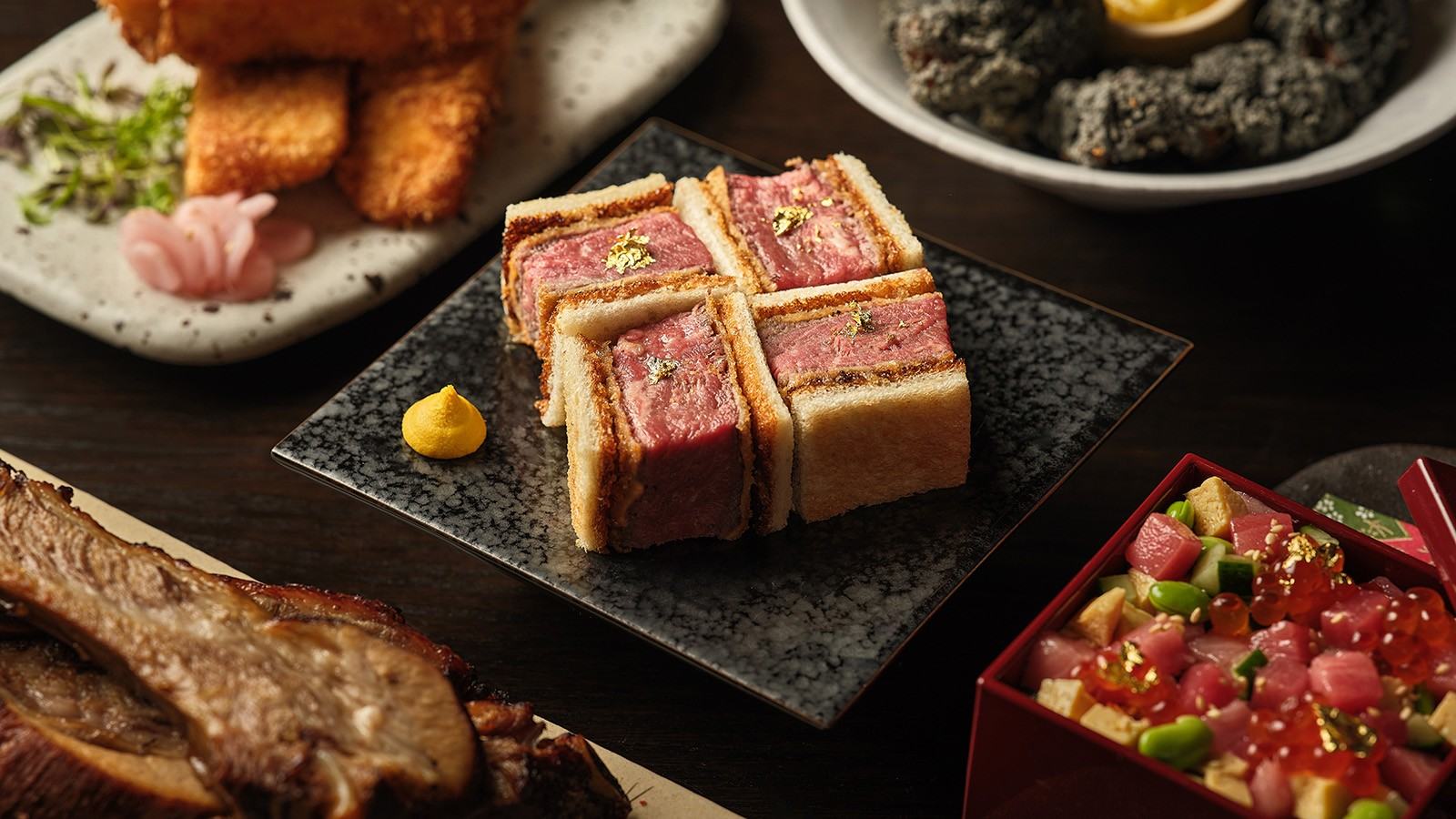
The SEY menu introduces Japanese-inspired small dishes such as karaage with a charcoal finish and a chutoro chirashi presented in a lacquered box. Slow-roasted pork ribs also appear, adding a richer counterpoint to the seafood and fried dishes. The range suits an evening of grazing and conversation rather than necessarily substituting for a fully structured restaurant tasting menu.
Traditional izakaya influences can be seen in the emphasis on modest plates, sharing and a relaxed progression through drinks and food. Yet this is a hotel interpretation, not an attempt to reproduce every aspect of a neighbourhood tavern. Visitors should recognise the distinction and choose it for its particular balance of local references and high-end hospitality.
The garden slows the evening down
An 800-year-old landscaped pond is an unusual setting for a contemporary drinks programme, inviting guests to observe subtle changes in light rather than simply the movement of a city outside. That can be especially appealing after a day visiting Kyoto’s temples and craft workshops. A quiet drink becomes another way to experience the city’s relationship between nature and design.
Some travellers will prefer a place where the bartenders remember favourite flavours and service feels personal rather than anonymous. SEY’s rebranding explicitly sets out that ambition, but the success of it ultimately depends on staff and the experience of repeat guests. The garden alone cannot provide excellent hospitality.
A useful cultural stop within a longer Japanese journey
For yacht owners and other international travellers passing through Japan, SEY offers a contained introduction to ingredients and rituals that deserve more than cursory attention. It can complement deeper exploration of Kyoto rather than claim to replace it. Advance booking and confirmation of operating hours remain important, particularly for larger groups.
The operator’s announcement identifies the April opening, garden-facing location, izakaya influence and renewed cocktails. No particular drink or cultural encounter is guaranteed without a reservation. The lasting story is how the bar uses its historic setting to support a more considered contemporary experience.
Source
Four Seasons Press