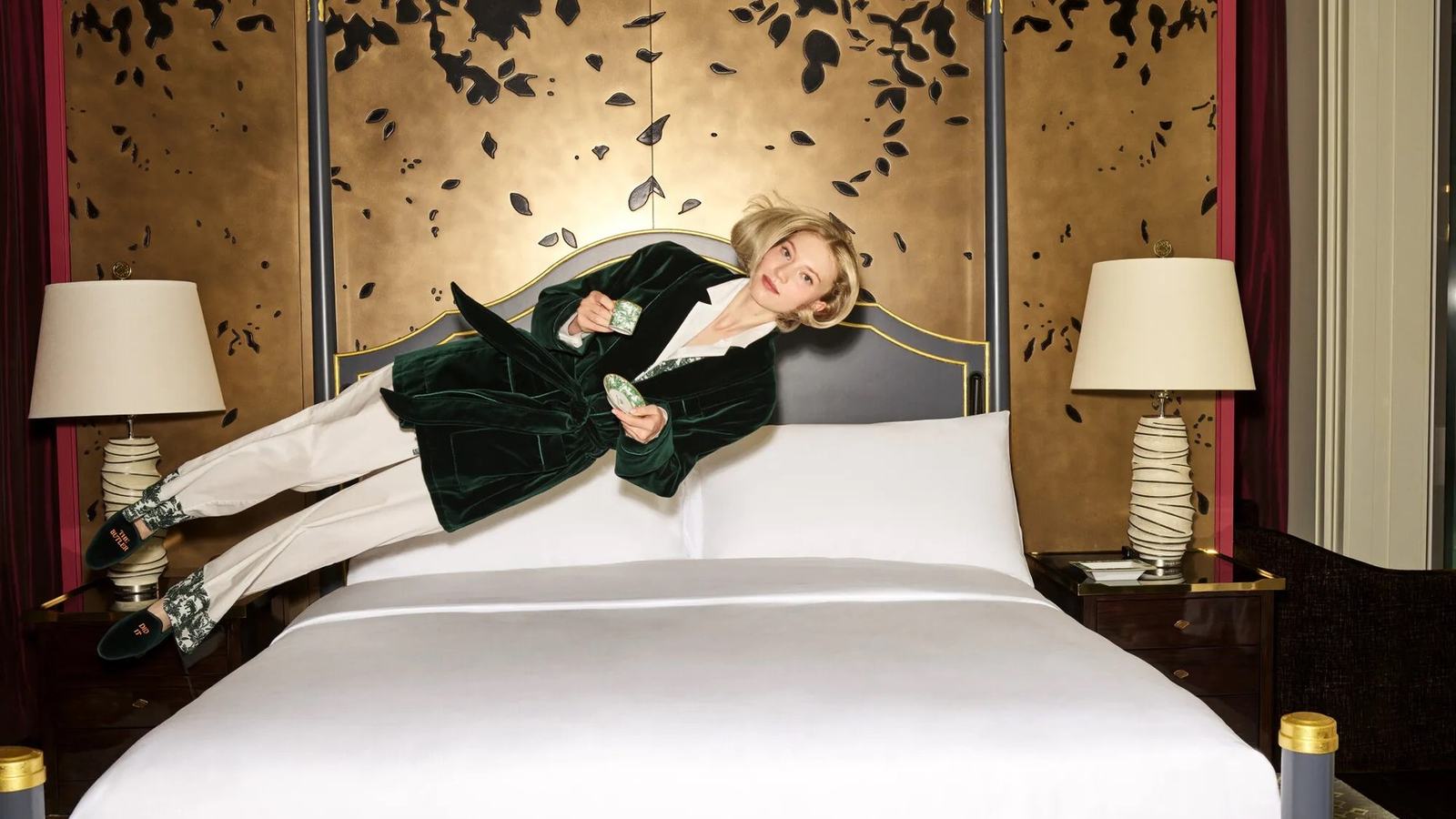
Raffles Hotels & Resorts has unveiled The Little Shop by Raffles, its first global e-commerce platform, combining a Jessica Diehl wardrobe with exclusive travel, tableware and design collaborations.
A hotel brand becomes a shopping destination
Raffles Hotels & Resorts has opened The Little Shop by Raffles, its first global online retail platform, taking the hotel company's aesthetic into clothing, travel accessories and objects for the home. Announced on 2 November 2026, the project combines pieces developed for Raffles with collaborations involving established makers. It is a retail proposition with a familiar hospitality vocabulary: elegant dressing, recognisable motifs, thoughtful packaging and the suggestion that a hotel stay can continue after the guest has checked out.
The company traces the name to a boutique at Raffles Singapore that operated in the 1940s, an unusually direct connection between a present-day digital shop and a physical hotel-retail tradition. The new operation is not simply an archive revived online. It packages the visual and service cues associated with Raffles for customers who may be elsewhere in the world. That distinction matters, because a hotel-branded product must stand on its own when removed from the atmosphere, staff and setting that made the brand memorable.
A wardrobe developed with Jessica Diehl
Creative director Jessica Diehl helped develop the ready-to-wear collection. The announcement describes a wardrobe of cashmere sweaters and polos bearing the Raffles crest, relaxed separates, pyjamas and bucket hats using the property's palm-print vocabulary. Some pieces carry the line 'The Butler Did It', a reference to the hospitality group's recent brand language. The aim is a selection suited to travel and leisure, not only formal clothing or conspicuous souvenirs.
Diehl's involvement gives the clothing a coherent creative point of reference, although the release does not assign a single design history to every item. The crest and palm motif work differently: one is an explicit badge of association, while the other can read simply as a decorative pattern. There is room for both in a holiday wardrobe. Customers who dislike large logos may gravitate towards the latter. Those looking for a connection to a favourite hotel may appreciate details that are instantly identifiable.
Resortwear from morning to evening
The Little Shop also includes caftans, linen tops and tunics in colours selected to reflect the Raffles identity. Such items sit naturally within the rhythm of a resort stay, where guests move between breakfast, poolside relaxation and an informal dinner without necessarily changing their entire outfit. Their appeal depends on cut, cloth and versatility more than on technical innovation. The company presents them as a considered resort edit rather than performance gear, making their role within the broader assortment relatively clear.
There is also leisure and athletic clothing intended for transitions between the gym, tennis court, lunch and a casual drink. Raffles has highlighted its signature deep-green and white palette, linking these pieces visually to the rest of the shop. Customers should still distinguish a brand's lifestyle positioning from specific performance claims. The launch announcement does not, for example, publish laboratory results for breathability or abrasion resistance. The practical question is whether individual pieces fit their intended activity and can be worn repeatedly afterwards.
Partnerships beyond the wardrobe
Raffles has brought a varied group of specialist names into the collection. The launch identifies Frette slippers, Christofle coffee cups, Globe-Trotter carry-on luggage, Orlebar Brown swim trunks, Vanessa Sposi swimwear and Amambaih bags. Z Lab sleep masks, Smythson leather goods and Ginori 1735 tableware add stationery, sleep-related accessories and ceramics to the offering. These partnerships make the shop more extensive than an apparel experiment, giving customers options across different stages of a journey or life at home.
The choice of collaborators is revealing. A piece of luggage must meet quite different expectations from a coffee cup or a pair of slippers, yet all can sit within the language of refined travel. The hotel brand functions as a curator while the product specialists bring their established categories of expertise. That model gives Raffles breadth without making the implausible claim that one company develops everything itself. For consumers, maker identification remains important: materials, aftercare and suitability depend on the particular object, not only on the Raffles crest.
Palm-print porcelain and deep-green stationery
Among the exclusives highlighted in the company's announcement is Ginori 1735 porcelain incorporating the Raffles palm print. A Smythson notebook is finished in the brand's deep green. These objects demonstrate how a hospitality identity can be translated without reproducing an entire hotel interior. Decorative tableware can recall a property's atmosphere at a meal, while an understated notebook makes the link through colour and a recognisable maker. Neither product requires a customer to wear visible branding in public.
The move into home and desk accessories also broadens the occasions on which a Raffles purchase may be relevant. A traveller might choose a bag before a trip, but a notebook or cup can be used long after the itinerary is finished. The launch does not publish a universal price band for the whole collection, so buyers will need to examine item listings individually. Exclusive does not automatically mean limited in quantity; availability and any special production terms should be verified for the actual product selected.
The butler as an editorial voice
The company says that individual ready-to-wear pieces are introduced with a note from the Raffles Butler. This is a small but characteristic extension of its service culture into retail. In a hotel, the butler is a person able to respond to a guest's particular needs. On a shopping platform, the same persona becomes a way of presenting products with a consistent tone. It gives the store a point of difference from a conventional luxury department-store website without promising an identical level of personal service.
That distinction should be understood clearly. A curated note may make a product more enjoyable to browse, but sizing guidance, returns and delivery arrangements remain practical decisions. The most credible form of hospitality-led retail combines imaginative storytelling with reliable fulfilment and useful product information. If the digital experience works smoothly, the butler motif can create continuity between the hotel's world and the shopping process. If it is only decoration, customers will judge the purchases by ordinary retail standards.
A digital shop with selected hotel counters
The Little Shop launched ahead of the end-of-year gifting season with shipping available within the United States. The company says international delivery can be arranged on request, a narrower promise than blanket worldwide shipping. Select merchandise is also intended for sale at Le Royal Monceau – Raffles Paris, Raffles London at The OWO and Raffles Boston. This arrangement joins a central online destination with a handful of physical hotel locations, enabling interested guests to encounter products during a stay.
Customers outside the United States should confirm delivery possibilities and applicable charges with the retailer before ordering. The press announcement does not give a complete list of international destinations or duties. Likewise, the in-hotel offering is described as selected pieces, not the entire online assortment. Those are relevant details for someone planning to purchase a particular carry-on or gift at a property.
A historical name with modern ambitions
Raffles Singapore opened in 1887, and the brand's contemporary communications draw heavily on the heritage associated with that property. The original Little Shop of the 1940s was a way for guests to explore decorative objects and fashion within the hotel environment. Reusing its name connects the e-commerce initiative to a real chapter in Raffles history. It also avoids presenting hotel retail as an entirely new invention. Guests have long bought things connected with places they admire; the distribution channels are what have changed.
The historic reference matters because so much luxury positioning rests on stories that are difficult to connect to a concrete product. Here there is at least a direct institutional precedent. The modern assortment is nevertheless clearly aimed at present-day lifestyles: swimwear, athletic clothing, a travel suitcase and a notebook all carry different everyday uses. A successful revival of a name must therefore balance nostalgia with utility.
Why hospitality brands enter the home
Luxury hotels already employ visual identities, service rituals and product choices that guests recognise. Making selected objects available for purchase is one way to extend that recognition beyond the duration of a reservation. It can also serve customers who admire the brand but have no immediate travel plans. The Little Shop illustrates this broader movement through categories that are portable: clothing and luggage move with the owner, while tableware and stationery bring a small part of travel-inspired design into domestic routines.
The commercial attraction is understandable, but it should not be mistaken for proof of retail success. Raffles has announced a platform and collaborations, not published sales results for the venture. There are also tensions to navigate. A hotel is partly valuable because it is tied to a particular place; a globally available object risks becoming generic. The most interesting products are those that retain a specific connection to the brand's visual history or to makers who bring a discernible craft to the collaboration.
What shoppers should look for
The Little Shop by Raffles is now a real shopping destination, not merely a concept proposed for future seasons. Its breadth makes it worth considering for travel clothing, a distinctive gift or a small household piece, particularly for someone with an existing attachment to the hotel group. Customers should inspect each item on its own merits, checking measurements, materials, care instructions, current price, availability and delivery terms. A famous hotel name does not replace those details or guarantee that a product suits a particular journey.
What makes this launch notable is the relationship between an old retail memory and a modern global platform. Raffles has assembled a wardrobe, travel goods and objects from recognisable specialists around motifs that guests may already know. Whether the shop earns a permanent place in the luxury-retail landscape will depend on product quality and the everyday experience of buying from it. For now, it offers an unusually direct expression of the way hospitality, fashion and the culture of travel have become intertwined.
Editorial source: Raffles Hotels & Resorts / Accor official press office, 2 November 2026. This original lifestyle feature is based on information from the named source; confirm current availability, specifications, travel dates and booking conditions with the relevant provider.