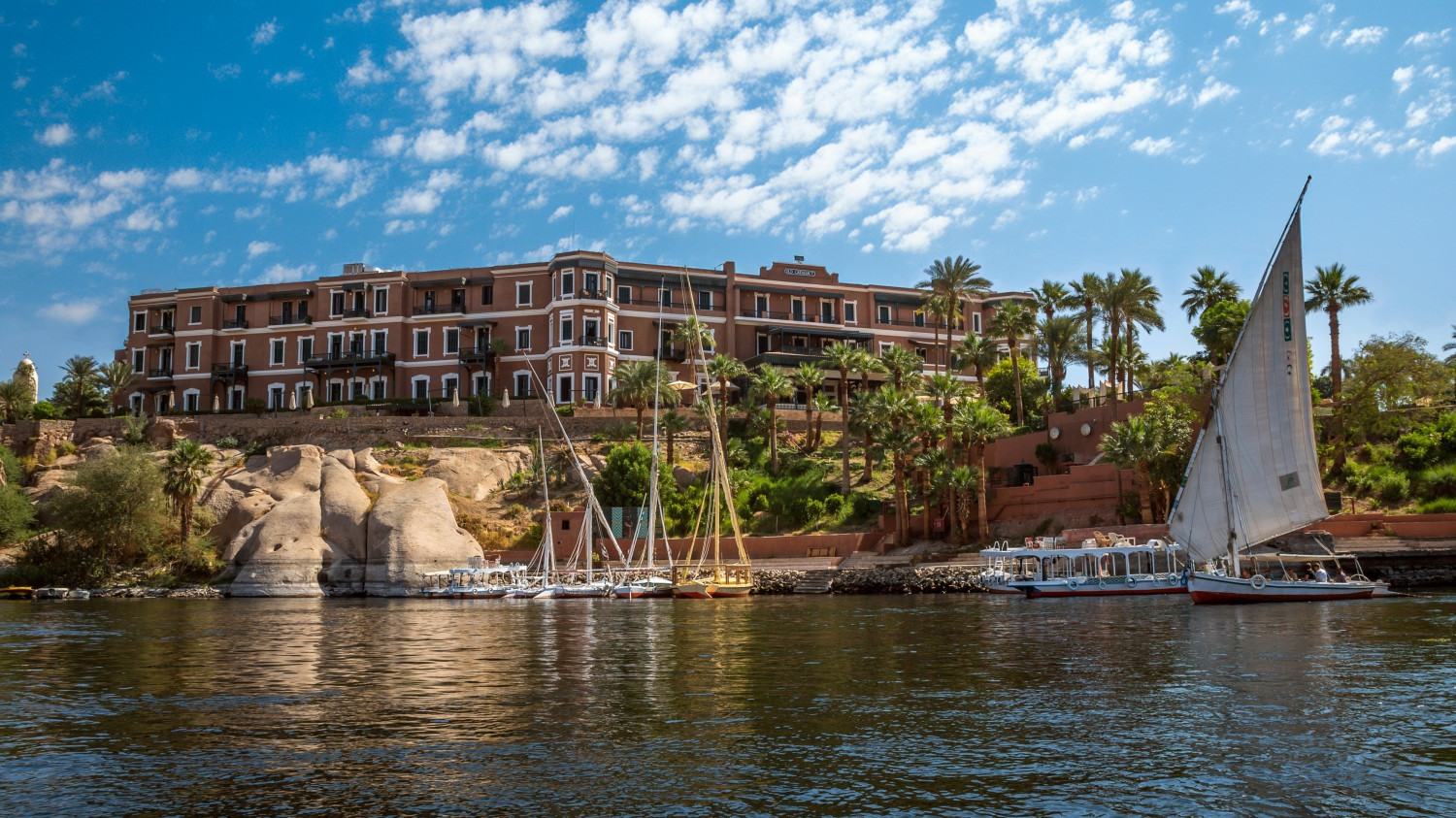
Mandarin Oriental is developing a luxury Nile cruise and restoring two landmark riverside hotels in Luxor and Aswan, with hotel reopenings planned for 2027.
Egypt's great river becomes a connected journey
Mandarin Oriental has outlined plans to connect the historic Winter Palace in Luxor and Old Cataract hotel in Aswan with its first branded luxury Nile cruise. The programme is intended to combine two restored landmark hotels with three-, four- and seven-night river itineraries, providing a coordinated journey through ancient Egyptian landscapes and architecture. The announcement was made in February 2026, with major hotel work planned to conclude in 2027.
For affluent travellers accustomed to a Mediterranean superyacht, the attraction of the Nile is not speed or open-water cruising but a slow, culturally grounded progression through one of the world's most significant historical regions. A professionally planned journey can reduce repeated packing and transfers, but it still requires thoughtful arrangements for archaeological access, specialist guides and the practical limitations of travelling by river.
The Winter Palace is scheduled for restoration
The historic Winter Palace in Luxor is undergoing a significant restoration ahead of its planned reopening in July 2027 as Mandarin Oriental Winter Palace, Luxor. Positioned near the Temple of Luxor, it is expected to offer refined accommodation, six dining venues, wellness facilities and landscaped gardens. The project aims to preserve the hotel's legacy while adapting its rooms and services for contemporary guests.
Historic hotels can provide extraordinary atmosphere, but heritage structures impose constraints that new-build resorts do not encounter. Guests should ask about accessibility, noise control, lifts and the exact layout of restored suites. A grand name and a renovated public room do not necessarily mean that every guestroom shares the same configuration or access to the river.
Aswan's Old Cataract offers a contrasting setting
In Aswan, Mandarin Oriental is taking over management of the famous Old Cataract hotel. The company says the heritage building will continue welcoming guests while work proceeds on the Nile Wing, with completion currently targeted for July 2027. Plans include six restaurants and bars, a spa and rooms overlooking the river and nearby landscapes associated with the Temple of Khnum.
Aswan's quieter pace and dramatic granite-framed river scenery create a different atmosphere from the monumental temple precincts around Luxor. Travellers combining the two should avoid treating each stop as interchangeable. Time for local interpretation, reflective visits and suitable private transport can contribute more than attempting to visit every archaeological site within an ambitious timetable.
The new vessel remains in design development
The cruise is being developed by K.G. Company for Real Estate and Tourism Investment, part of Garranah Group, and will operate in partnership with Mandarin Oriental. The plans call for generously proportioned suites, three dining venues and a dedicated wellness area, combined with lectures, specialist excursions and guided cultural programming. The release does not provide a confirmed capacity or technical specification for the vessel.
That uncertainty is important. Clients should not interpret an attractive concept as a guaranteed sailing date, suite plan or performance standard. Draft restrictions, docking schedules and river-navigation arrangements may differ fundamentally from those of a sea-going yacht. The eventual operator must also demonstrate reliable safety procedures, accessibility arrangements and practical ways to respond to changes in the river programme.
Cultural hospitality requires knowledgeable guidance
A river journey from Luxor to Aswan can provide a narrative linking landscapes, temples and changing communities. To make that experience meaningful, specialist guides should explain the historical record, distinctions between archaeological interpretation and legend, and the responsibilities associated with visiting sensitive sites. Private access should never be promised without the relevant legal permissions.
Mandarin Oriental's integrated project offers the prospect of continuity in accommodation and service across land and water, a useful quality for extended-family travel. Yet the planned cruise and hotel restorations are still being delivered. Guests should confirm opening schedules, visas, security advice and actual booking terms before committing to a future trip. The strongest value lies in informed cultural engagement supported by competent hospitality, not a superficial claim of exclusivity.