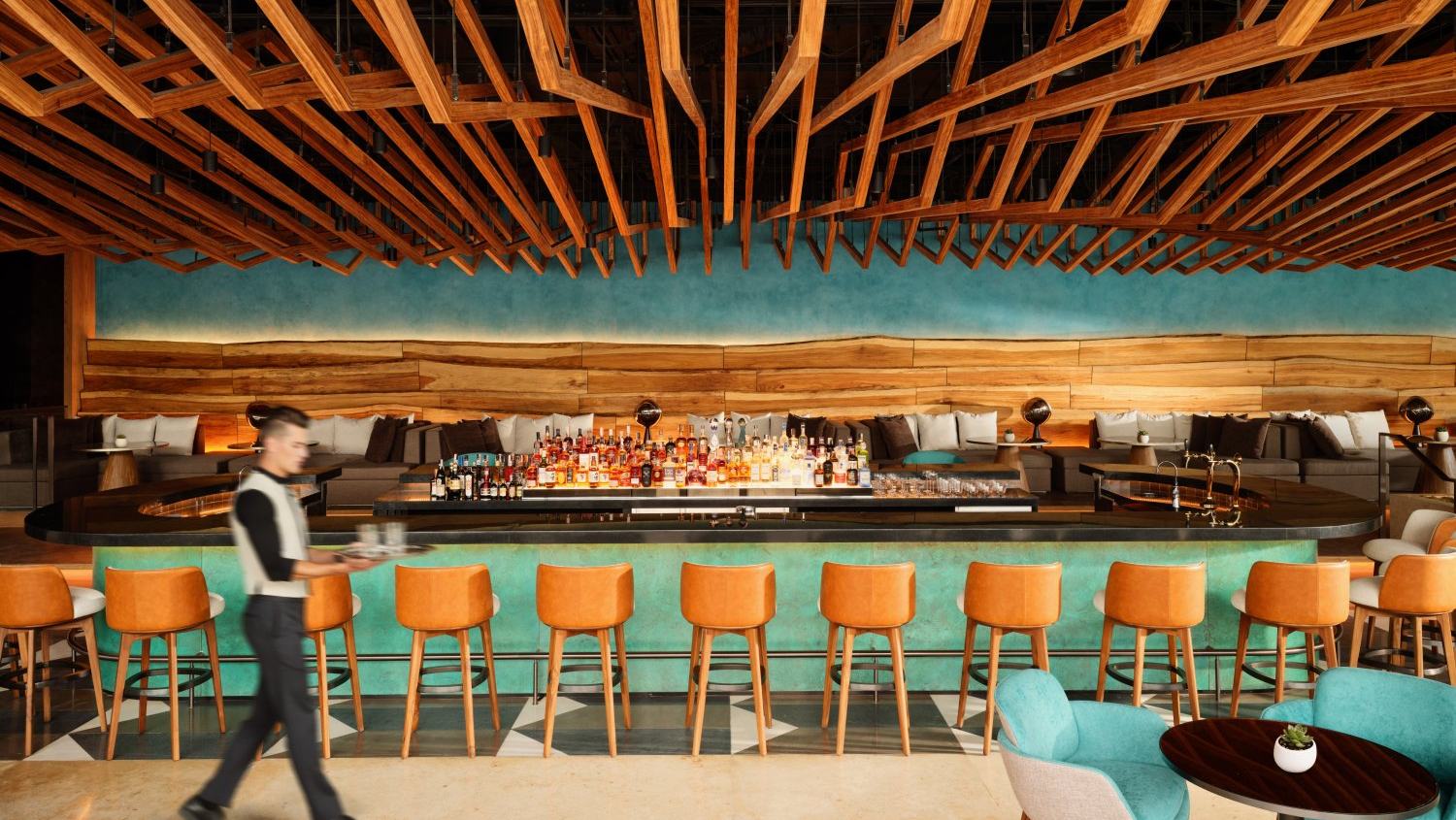
Mandarin Oriental announces Layara, a sky-level cocktail venue in Manila planned for late 2026, with a changing menu inspired by Philippine islands and a design drawing on traditional sailing craft.
Luxury hospitality and gastronomy, 12 November 2026. Mandarin Oriental's announcement concerns a forthcoming opening at the end of 2026; Layara is not being described as already open, and any later reservation arrangements must be verified separately.
A cocktail destination planned above Makati Mandarin Oriental has unveiled plans for Layara, a new cocktail destination intended to open at its Makati, Manila property toward the end of 2026. The 10 November announcement presents the venue as a journey through the Philippine archipelago using local ingredients, stories, music and contemporary bar craft. Positioned above Ayala Triangle Gardens, Layara will be a 150-capacity space with views across the Makati skyline. The company has not given a definite first-service date in the release, so an invitation to make plans should not be confused with a confirmed opening reservation. For well-travelled guests, the proposition is potentially more interesting than another globally interchangeable rooftop lounge. Its design and beverage programme are being built around the distinctive geography and cultural heritage of the Philippines. The challenge will be to deliver that identity in the glass and in the hospitality experience, not just in marketing material.
The name takes inspiration from Philippine sailing The name Layara draws from 'layag', the Filipino word for sail. Designers have used the movement of Philippine maritime life and the archipelago's visual traditions as a basis for the interior. The hotel's press release specifically describes the vibrant striped sails of vinta boats associated with Tausug, Sama-Bajau and Yakan communities. It also draws on the flowing movement of Pangalay dance for the venue's visual identity. Those cultural references offer a richer basis for a bar concept than a generic tropical motif, but they also invite care and precision. They originate from communities with distinct histories and living traditions; reducing them to decoration would miss the opportunity to explain their place in the archipelago's wider story. A thoughtful guest experience can combine the visual elements with knowledgeable staff who can communicate them respectfully.
Timber, greenery and a sense of movement The projected interior combines a wood-lattice ceiling, lush tropical planting and natural materials in a space conceived to feel continuously in motion. Against the skyline of a major financial and commercial district, the design aims to create a contrast between urban energy and the rhythms of the islands. The published photographs and descriptions give a glimpse of that intention, but they should not be treated as proof that every part of the finished venue is ready for guests. Lighting, acoustics, seating and the service layout will determine how the concept actually functions. A cocktail bar can be visually sophisticated yet difficult for conversation if those elements are poorly balanced. For private travellers and residents who prefer intimate discussions, the position of a table and the movement of staff may be just as important as the quality of the drinks.
Kiara Opeda leads the beverage programme Bar Manager Kiara Opeda is leading the development of Layara's drinks, bringing experience from Manila venues including Black Sheep, OTO Bar and Sabi Sounds, from Happy Paradise in Hong Kong, and from a more recent role with Pernod Ricard Philippines. The bar's identity therefore rests partly on a practitioner with direct experience of the local hospitality scene rather than on an imported formula. Mandarin Oriental says the menu will evolve quarterly, each edition exploring another Philippine destination, seasonal produce and regional traditions. That is an ambitious undertaking because a successful changing menu requires a supply chain and staff education as well as imagination. Some ingredients may be unfamiliar even to frequent international travellers. Clear explanations of preparation, flavour and cultural significance can make the difference between an intriguing discovery and a drink that depends on novelty alone.
A first cocktail journey centred on Cebu The debut selection is organised into two chapters inspired by Cebu in the Central Visayas. The first chapter, called Sailing the Philippine Archipelago, is based on legends and historical narratives associated with the island and its maritime connections. One cocktail, Maria Cacao, refers to a figure associated with Cebu's mountain folklore and combines whisky with yellow mango, passionfruit, pomelo and jasmine tea. Another, Bakunawa, takes its name from a mythical serpent and uses cognac, black sesame, cacao and muscovado beneath a banana-milk foam. These examples show how Layara is trying to translate a story into aroma, texture and taste. Guests interested in high-end cocktail craft should consider whether the balance of ingredients creates a coherent drink rather than rely only on the theatrical name or presentation.
A changing menu can reward repeat visits A quarterly menu allows a venue to explore more of the Philippines than can be represented by a single list of signature cocktails. It may also encourage returning guests to discover unfamiliar regional produce and stories. In practice, however, seasonality has to be managed honestly. An ingredient described as local should be sourced and handled appropriately, and a strong programme needs alternatives if a particular crop is unavailable. International luxury hospitality often depends on consistency, while a travelling menu depends on change. Layara will have to reconcile those demands: the guest experience should remain reliable even as individual ingredients and drinks evolve. An effective bar can achieve this through staff training, clear techniques and careful control of recipes. The public announcement establishes the intention, but the performance of future quarterly editions remains to be observed after the opening.
Cultural references require more than a memorable name Other debut drinks named by the hotel include Princess Urduja and Raja Zula, along with a preparation referencing Lapu-Lapu and Raja Humabon. Their combination of spirits, fruit, tea and culinary elements creates a storytelling framework rather than a conventional list divided only by base spirit. For international guests, the names may open a conversation about Philippine history, folklore and regional identity. That conversation should be accurate and avoid the temptation to compress complex histories into easily repeated anecdotes. A sophisticated hospitality venue can use menus, illustrations and trained staff to provide context without making the experience academic. The hotel's source describes ink-wash artwork accompanying the drinks, an element that could help connect the visual and culinary aspects of the programme. The result should be judged by what it communicates to guests, not just the number of cultural references included.
For private travellers, service remains the differentiator Makati attracts business travellers, residents and guests using Manila as part of a wider journey through the Philippines. A destination bar connected to a Mandarin Oriental hotel can be a useful meeting point for guests with tight itineraries, but it should not be assumed to offer exclusive-use spaces, yacht transfers or private tastings unless such services are actually advertised. Layara's stated capacity of 150 suggests a substantial hospitality venue rather than a tiny private salon. A client seeking discretion would need to inquire about seating arrangements, peak periods and what the hotel's team can organise. Wealthy guests may value efficient service and privacy as much as a distinctive drinks list. In that sense, the venue's eventual success will depend on translating its artistic concept into attentive hospitality for very different occasions, from a quiet conversation to a larger celebration.
The setting bridges city and archipelago One of the more compelling elements of Layara's concept is the relationship between an urban skyline and an island nation. The Philippines has extensive maritime traditions and numerous destinations well beyond Manila, but a guest may have only a short time in the capital. The bar offers a way of encountering ingredients and stories from other islands without suggesting that a cocktail replaces travel or cultural engagement. For yacht owners who visit Southeast Asia, the broader context is familiar: some of the most rewarding experiences arise from connections between ports, coastal communities and regional food. Layara's maritime design vocabulary therefore has a genuine relevance to an international yachting audience. Its location is inland within metropolitan Manila, however, and the press announcement should not be interpreted as advertising a yacht marina or waterfront facility.
The hotel is making a considered dining statement An ambitious bar can be a significant part of a luxury hotel's identity, particularly when it attracts local residents as well as overnight guests. If successful, it may extend the value of the property beyond accommodation and encourage visitors to experience the city through a particular cultural lens. Yet the economics and critical reception of Layara cannot be inferred from its concept release. No final opening-night attendance, awards, revenue or independently verified guest reviews are available in the source. That is why the story should remain one of a forthcoming opening and a detailed creative proposition. The fact that the programme is intended to change quarterly is a promise of future development, not a guarantee that every prospective menu will follow the same format. Editorial interest should continue only when there are new developments to document.
What Mandarin Oriental has confirmed The hotel has announced Layara for a late-2026 opening at Mandarin Oriental Makati, with capacity for around 150 guests. The design draws on Philippine sailing, island identity and Pangalay dance, while the cocktail programme led by Kiara Opeda will evolve through rotating island-inspired chapters. The initial collection explores Cebu with named cocktails drawing on folklore and regional ingredients. The public release does not specify an exact opening date, menu price list, reservation policies or availability of private events. Those details should be verified directly with the hotel if they become relevant. For the ultra-luxury traveller, the attraction is the possibility of a distinctive, place-specific bar experience supported by a recognised hospitality operator. Its genuine quality will be measured once the doors open and the promised culinary and cultural ideas meet the realities of service.
Primary source: Mandarin Oriental, 10 November 2026, Layara cocktail bar planned at Mandarin Oriental Makati.