Star Resort opens reservations for NANJU, a five-room Miyakojima retreat planned for Christmas Eve, with private terraces, culinary experiences and island culture.
A small resort with a large view
Star Resort has opened reservations for NANJU, an intimate new hotel on the Japanese island of Miyakojima in Okinawa Prefecture. In its announcement on 13 November 2026, the company confirmed a planned opening on 24 December and five guest rooms on a site overlooking the island's southeastern coast. NANJU is not yet an operating hotel at the time of writing. Its proposed hospitality, culinary programme and experiences deserve consideration as plans announced by the operator rather than services independently assessed by visitors.
The scale of the project is particularly relevant for an audience familiar with private yachts and villas. When an accommodation property consists of only five rooms, the nature of the stay may be closer to that of an intimate retreat than a conventional resort. The possibilities of travelling with friends or reserving a substantial proportion of the property are obvious, but exclusive use would need to be negotiated separately. Guests should establish precisely what privacy arrangements the hotel can provide before assuming that a small room count amounts to a private estate.
Miyakojima and the southern Japanese island experience
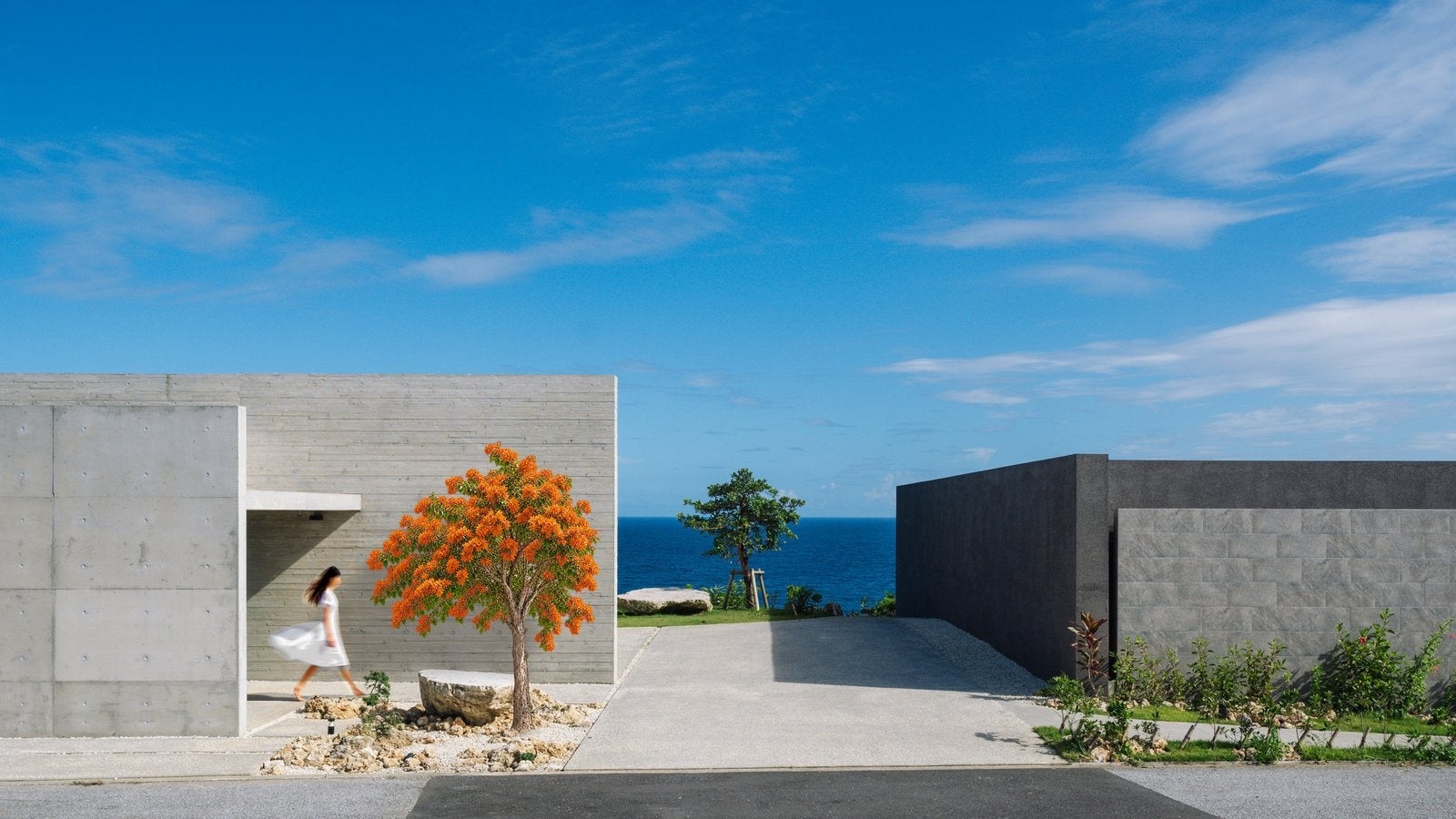
Miyakojima offers a different setting from the country's metropolitan destinations. Its coastal environment and the traditions of the wider Ryukyu islands provide opportunities for a holiday focused on a particular place rather than an international hotel aesthetic. NANJU occupies a site in the Gusukube Bora area, at an elevation the operator identifies as approximately forty metres above sea level. That position is central to the proposed design and its views, and distinguishes the property from accommodation directly on a beach.
For a private traveller, a clifftop position may be appealing for its seclusion and perspective, but the practical relationship to the sea requires investigation. Direct beach access, safe paths, vehicle journeys and the location of authorised boarding points should not be inferred from an architectural photograph. People intending to combine the hotel with an independently arranged yacht journey should consult both the property and a qualified local marine agent. The shape of the coast and local port conditions will determine what arrangements are realistic.
Five rooms rather than a conventional resort
The published property specifications describe accommodation measuring 112 square metres per unit, including interior space and individual terraces. Star Resort also highlights its BANTA Villa and private infinity-pool terrace. The emphasis on the relationship between a room and its surroundings is significant. A generous outdoor area may make a guest's personal space more useful than an extensive collection of public facilities, especially for someone who values long, quiet periods without leaving their accommodation.
Owners who are accustomed to travelling with a household or yacht crew should think carefully about the room allocation. Ask the property about configurations, bedding, children's accommodation, access arrangements and whether support personnel can be housed nearby. Establish what can be arranged within the hotel and what may need to be coordinated with external providers. A highly individual hotel can provide attentive hospitality, but its limited accommodation inventory also makes plan changes harder when rooms are already committed.
The view as part of the architecture
A clifftop property is an unusual way to experience an island coastline because the sea remains visible even when guests are not participating in a marine activity. An extended breakfast, time on a terrace or an evening spent watching the horizon can become part of the reason for choosing the hotel. The design announced by Star Resort recognises that not every hour of a luxury holiday needs to be occupied by a scheduled event. Sometimes the choice of setting is the most important element of an itinerary.
The same geography calls for practical planning. Outdoor spaces may be affected by wind, rainfall and seasonal weather, regardless of their appearance in carefully selected publicity images. Ask how terraces and pools can be used in different conditions, and discuss any concerns about access with the hotel. Guests travelling with children or people with mobility requirements should obtain specific information rather than assume that the elevated location is appropriate for everyone. An appealing setting is most valuable when people can use it comfortably and safely.
A restaurant with a defined culinary identity
Star Resort identifies Astérisques as NANJU's signature restaurant, led by executive chef Kenya Akita. Its announced approach draws on French culinary techniques and a strong emphasis on produce, including ingredients from Miyakojima and elsewhere in Japan. The operator describes a ten-course dinner, provided in a format that can respond to the ingredients available. The project offers an interesting reason for food-focused travellers to pay attention to the island beyond its beaches and resorts.
A menu built around local ingredients has potential to connect a guest with the landscape in a way that conventional hotel dining may not. It also introduces the possibility of seasonal changes between visits. Request the current menu concept and discuss allergies and dietary requirements directly with the restaurant, especially when booking a lengthy tasting experience. The published plan envisages vegetarian and vegan options, but a guest with specific medical restrictions should communicate them in advance. The quality of a meal will depend on execution after opening, not solely on an attractive culinary description.
A maritime experience on a different scale
The hotel has announced prospective ocean activities including a private sunset cruise, snorkelling and stand-up paddling in mangrove surroundings. It is important to distinguish a private local boat excursion from a stay aboard a large yacht. The size and identity of the proposed vessels, the operating arrangements and their suitability for individual guests have not been established in the opening announcement. Confirmed travel plans should therefore be based on the final published details and conversations with the operator.
For a superyacht guest, using a smaller local vessel may provide an opportunity to see a particular coastal environment more closely without involving the yacht's own crew in an unfamiliar operating area. Local knowledge can be invaluable when access is influenced by weather, protected habitats and seasonal conditions. Ask about the qualifications of the operators, relevant permissions, equipment and procedures for cancelling an excursion. Even an itinerary marketed as exclusive must remain subordinate to safe operation and respect for the places visited.
The island's cultural traditions
The planned programme extends beyond marine activities to aspects of Ryukyu culture. Among the announced experiences are introductions to awamori, the island region's traditional distilled spirit, as well as pottery, textile weaving and other crafts. These opportunities may be particularly interesting to guests who want to understand the place through the work of people living there. Such a visit is different from placing an attractive locally styled object in a hotel room without explaining where it was made.
A private group can make a cultural excursion more rewarding by allowing sufficient time to listen and participate. Rather than asking to visit several workshops in quick succession, select one or two experiences that genuinely interest the travellers. Find out how the makers work, what materials they use and how the tradition has changed over time. Purchases, where appropriate, can support the businesses that make the experience possible. Respect the wishes of hosts concerning photography, demonstrations and access to their personal workplaces.
Golf, nature and a more flexible day
The operator's plans also include activities involving golf, cycling, nature and the island's distinctive coastal landscape. The idea has merit for a visiting family in which not everyone wants to spend the same number of hours on the water. A guest who enjoys a morning outdoors may prefer a different rhythm from someone intent on dining well and enjoying the terrace. A carefully chosen base allows these interests to coexist without creating a programme that moves every passenger through the same sequence of experiences.
However, the announcement expressly indicates that the experiences are being prepared and that final conditions, availability and prices will be communicated subsequently. This is a material qualification for anybody organising a visit around a specific event. Do not assume that a planned activity can be booked on the first day of operation. A sensible opening-season itinerary contains a generous amount of independent time and contingency arrangements. The hotel should be asked which activities are actually confirmed when the accommodation reservation is made.
What the opening offer includes
The company has announced a limited opening-period premium stay package, offering accommodation with two meals, a hotel credit of ¥10,000 and an in-room spa treatment. Star Resort identifies the package as being available to one party per day and directs prospective guests to the official website for its exact conditions. The separate basic room price begins at ¥150,000 for two guests per night, excluding tax and service charges. The package price should not be confused with that starting accommodation figure.
Ask the reservations team to provide a complete written quotation covering the desired room, the applicable package and any extra services. Confirm whether the quoted meals are served at Astérisques or arranged differently, and which of the experiences can be reserved. International travellers should also check payment terms and the cancellation policy. A new hotel opening close to a festive period may create considerable demand for a small number of rooms, making early confirmation more important than a speculative itinerary built around a promotional announcement.
A small-scale addition to Japan's private travel landscape
NANJU's intended significance lies less in the number of facilities than in its combination of five rooms, an elevated maritime setting, a distinct culinary programme and an interest in regional culture. Star Resort, which develops and operates resort hotels, is positioning the project as a flagship. The opening will provide an opportunity to assess whether the vision can be translated into the quality of personal service expected by guests who already travel in highly private settings.
For now the essential facts are the reservation launch, the intended Christmas Eve opening and the features the operator has announced. Visits should be planned with the property directly, with particular care over experiences that are still being developed. Its promise is an unusually intimate form of island hospitality, where the choice of place and the possibility of quiet time matter as much as a catalogue of amenities. That is a proposition worth watching as NANJU approaches its first season.
Primary source: Star Resort Co., Ltd. / PR TIMES.
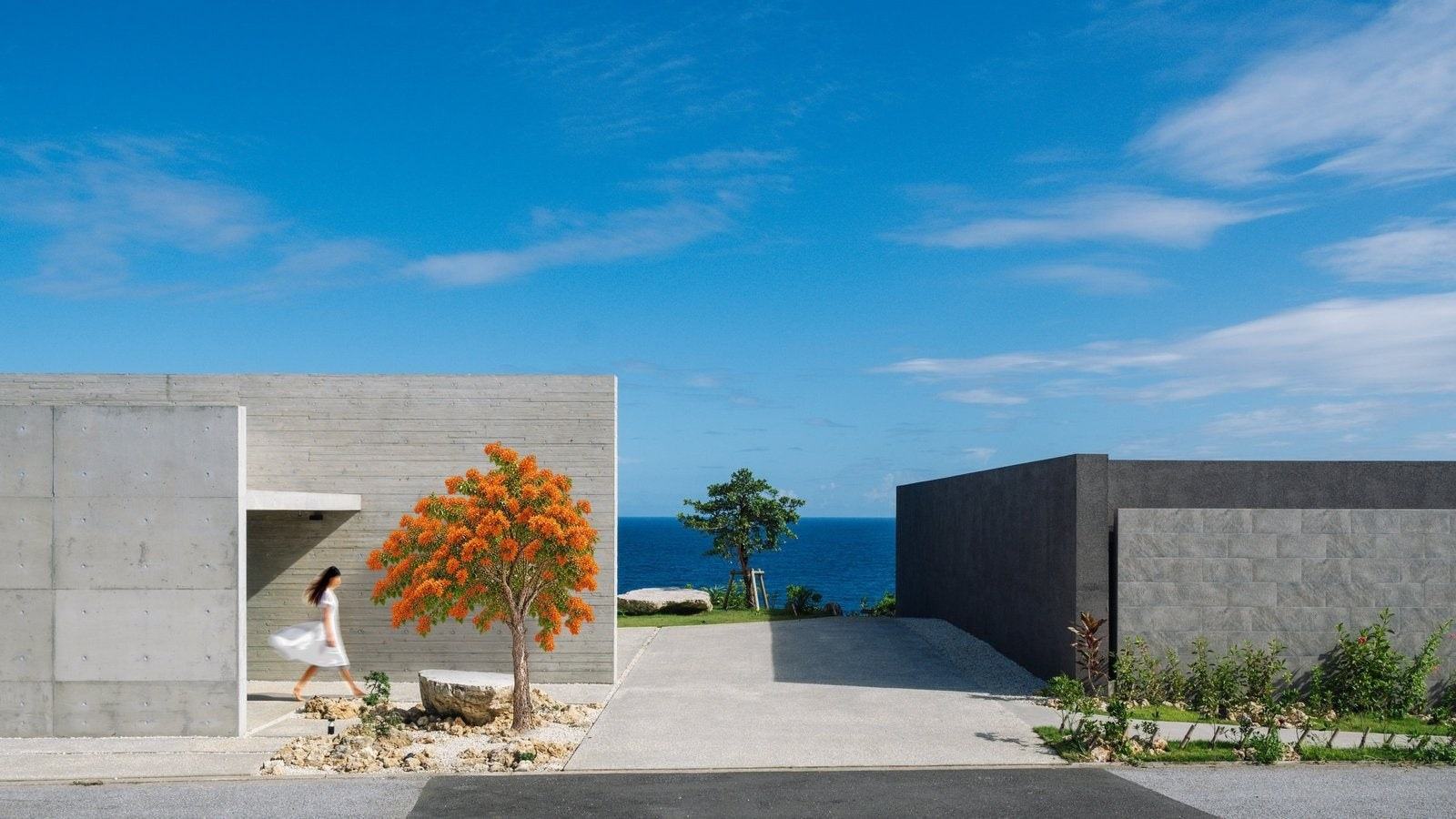
NANJU entrance — Star Resort official opening visual. Released with the 13 November 2026 official announcement. Official source.