A carefully researched superyacht cultural itinerary for Naoshima and Teshima, covering Chichu, Benesse House, Ando's new museum, ticket planning and appropriate maritime arrangements.
Why Setouchi belongs on a cultural yacht itinerary
The Seto Inland Sea is often described through its islands and quiet water, but for an owner with a serious interest in architecture or collecting, one of its most compelling destinations is Naoshima. A former industrial island has become an internationally recognised meeting place for contemporary art, with museums designed by Tadao Ando and installations set against a working coastal community. That combination gives a superyacht itinerary a purpose beyond another scenic passage.
Naoshima is best considered within the wider Setouchi region rather than as an isolated photo opportunity. The Japan National Tourism Organization identifies nearby Teshima and a wider network of islands as part of the area's art culture, while the Benesse Art Site Naoshima programme ties exhibitions and architecture closely to the surrounding landscape. An art-led visit rewards two or three carefully arranged days rather than the maximum number of ferry stops.
For a large yacht, the shore itinerary must begin with an entirely separate operational assessment. The published visitor ferry ports at Miyanoura and Honmura are not evidence that a superyacht can berth there, and their availability to commercial traffic does not establish an anchoring permission. Captain and local agent should verify entry formalities, assigned port facilities, navigation restrictions, tender operation and weather alternatives before any guest schedule is confirmed.
Chichu: a museum conceived as an artwork
Chichu Art Museum is central to Naoshima's international reputation. Benesse explains that it was built in 2004, largely below ground, to protect the appearance of the surrounding landscape. Tadao Ando's architecture carefully admits natural light, allowing the setting of permanent works by Claude Monet, James Turrell and Walter De Maria to change with the hour and season. The building is part of the artistic experience, not a neutral box for displaying a collection.
For collectors who regularly encounter works in commercial galleries, Chichu invites a different kind of attention. The interplay between daylight, material and a visitor's movement can be as memorable as the objects themselves. A thoughtful visit allows time to absorb each space and discourages the rushed behaviour that large group itineraries sometimes impose. A museum appointment is worth protecting in the schedule rather than squeezing it between unrelated excursions.
Chichu's official booking rules require reservations for a particular date and time, with capacity limits and the possibility that no day-of ticket will be available after online allocations sell out. Guests and their staff should book through the authorised system and review current rules on photography, bags and permitted access. A private yacht offers comfort and flexibility between visits, but it does not confer an exemption from museum reservations or conservation requirements.
The new museum and Ando's expanding legacy
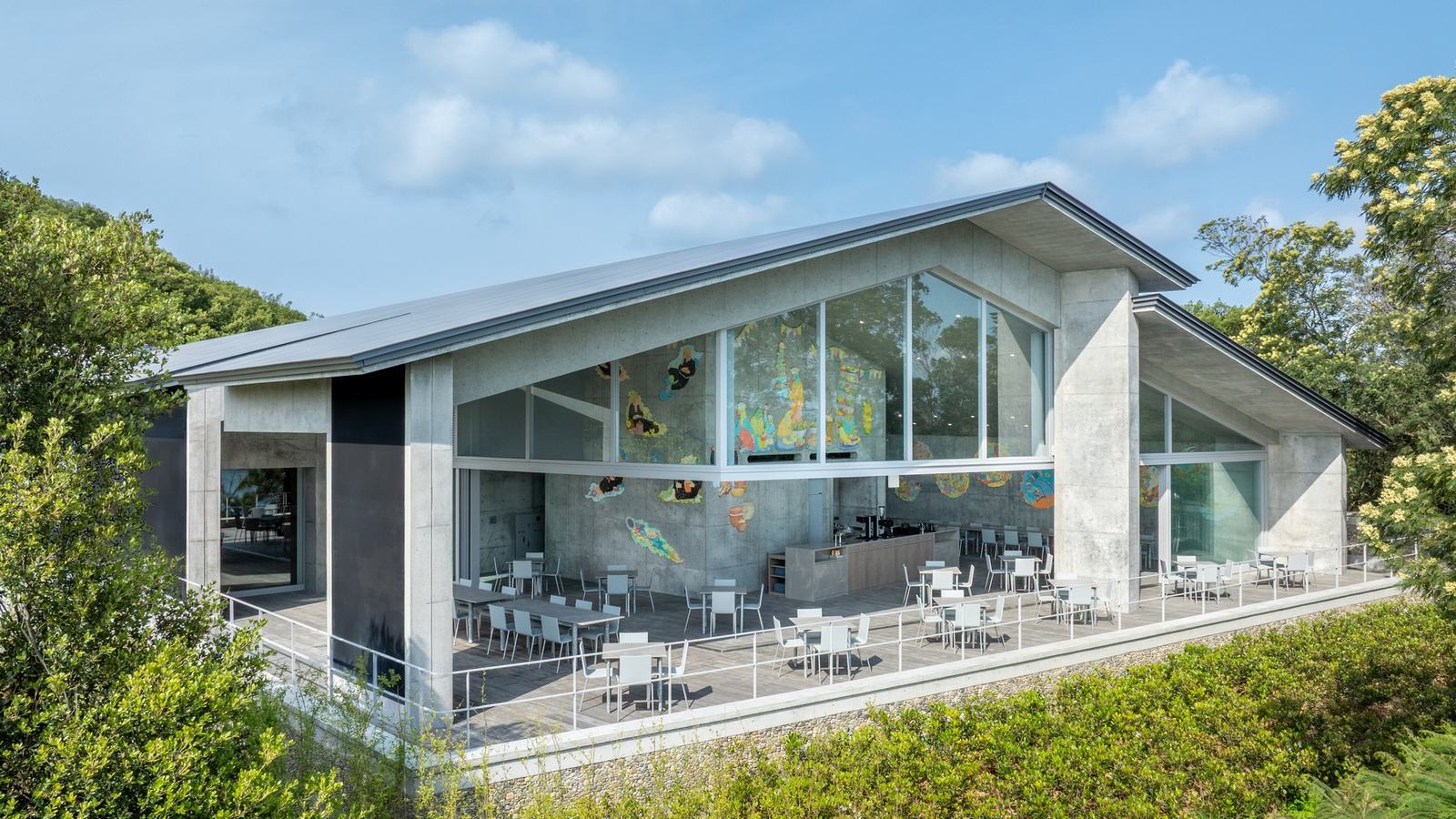
Naoshima New Museum of Art opened in spring 2025 near the Honmura district. Benesse identifies it as Ando's tenth architectural work among the site's facilities and describes a three-level structure, including two basement floors, that focuses on major and commissioned works by artists from Asian countries. It extends the island's conversation beyond established Western and Japanese names and offers a reason for returning visitors to look at Naoshima anew.
The new venue also illustrates the link between art and the host community. Benesse presents exhibitions and public programmes as ways of inviting multiple perspectives, rather than simply adding another signature building to a destination. For a collector interested in regional contemporary practice, that curatorial approach may be more important than the novelty of the architecture itself. Check the programme for the actual dates of a proposed voyage, because exhibition changes can affect access.
The museum's hilltop situation and carefully controlled architecture make it a strong visual subject, but guests should not assume unrestricted photography or private use of galleries. The hero photograph accompanying this guide comes from the official Benesse Art Site Naoshima material for the new museum, not from a generated image or an unrelated stock library. The wider cultural experience is most rewarding when photography takes second place to looking.
Benesse House, the outdoor programme and a different kind of hotel
The Benesse House Museum makes the relationship between hospitality and art especially immediate. Japan's national tourism organisation describes an Ando-designed complex that combines gallery and hotel functions above the Seto Inland Sea. Works are encountered indoors and across the surrounding landscape, making the boundaries between accommodation, museum and sculpture unusually fluid. That makes it valuable even to travellers who are comfortable sleeping aboard their own yacht.
An overnight on land can offer a different rhythm from a vessel-based stay. Rather than returning directly to the tender after the last gallery, guests can linger over an evening in a setting made for sustained engagement with artworks. Room categories, gallery access and any guest privileges should be checked against Benesse's current booking conditions, because a reservation at the hotel does not automatically entitle visitors to every separately ticketed facility.
The island also includes the Lee Ufan Museum, Hiroshi Sugimoto Gallery and the Art House Project in the Honmura neighbourhood. Each asks for a different pace and type of attention; these are not interchangeable attractions to be ticked off a list. The art and architecture together are better understood as an ongoing programme whose opening days change. The official calendar should be consulted immediately before finalising transfers.
Teshima and Inujima: when another island is worth the crossing
Teshima is a natural extension of a serious Setouchi art itinerary, but it should not be treated as an effortless add-on. The Japan National Tourism Organization describes the island's agricultural landscape and the Teshima Art Museum as a setting where architecture, groundwater and the wider environment meet. The contrast with Naoshima is part of the appeal: visitors move from one highly curated encounter to another with a distinctly different sense of place.
Public ferry schedules, limited local transport and ticketed museum access can determine whether a Teshima day works at all. Travellers should decide whether to use normal ferry services, a suitably licensed local vessel or an itinerary arranged by a professional agent. The mere presence of a superyacht in the region does not guarantee direct tender access to a chosen island landing, and any proposed transfer requires local approval and safe conditions.
Inujima may be appealing for another day, especially for guests interested in how art programmes extend into former industrial settings. Yet the right three-day visit could just as reasonably stay on Naoshima and Teshima, leaving Inujima for another passage. Depth of engagement matters more than geographic coverage, and a quieter lunch or a second museum viewing can be more rewarding than a rushed transfer made simply to add a name to the route.
A well-ordered three-day superyacht visit
A measured plan would allow the first day for an agreed arrival and Naoshima's coastal and Honmura areas, reserving the second for Chichu, Benesse House and the museum programme that most interests the party. The third could focus on the new museum or travel to Teshima if ferries, tickets and weather align. A captain should remain free to reorder days for safe passage rather than having to satisfy fixed dining reservations at an unsafe hour.
Collectors planning more than a sightseeing visit should approach any gallery meeting, research appointment or discussion about acquisitions through the institution or an authorised representative. Museum displays are not sales catalogues, and a room containing a significant work does not imply that it is available to purchase. The itinerary can nevertheless deepen understanding of artists, materials and curatorial thinking in ways that ordinary travel rarely achieves.
Japan's national tourism materials position Setouchi as a place for art, history and considered travel. For an owner who values privacy, there may be temptation to make every activity exclusive, but the destination's strength also lies in its relationship with island residents and public cultural life. Following local rules, leaving room for other visitors and supporting knowledgeable local guides does more for the quality of the journey than any promise of special access.
The enduring reward is the perspective that the sea provides. A day moving between galleries and low island landscapes reveals why these institutions are here, and the slow passage back to a well-managed vessel creates time to reflect on what was seen. Naoshima is not a superyacht destination because of glamorous marina infrastructure; it belongs on a discerning itinerary because art, architecture and place have been brought into rare alignment.