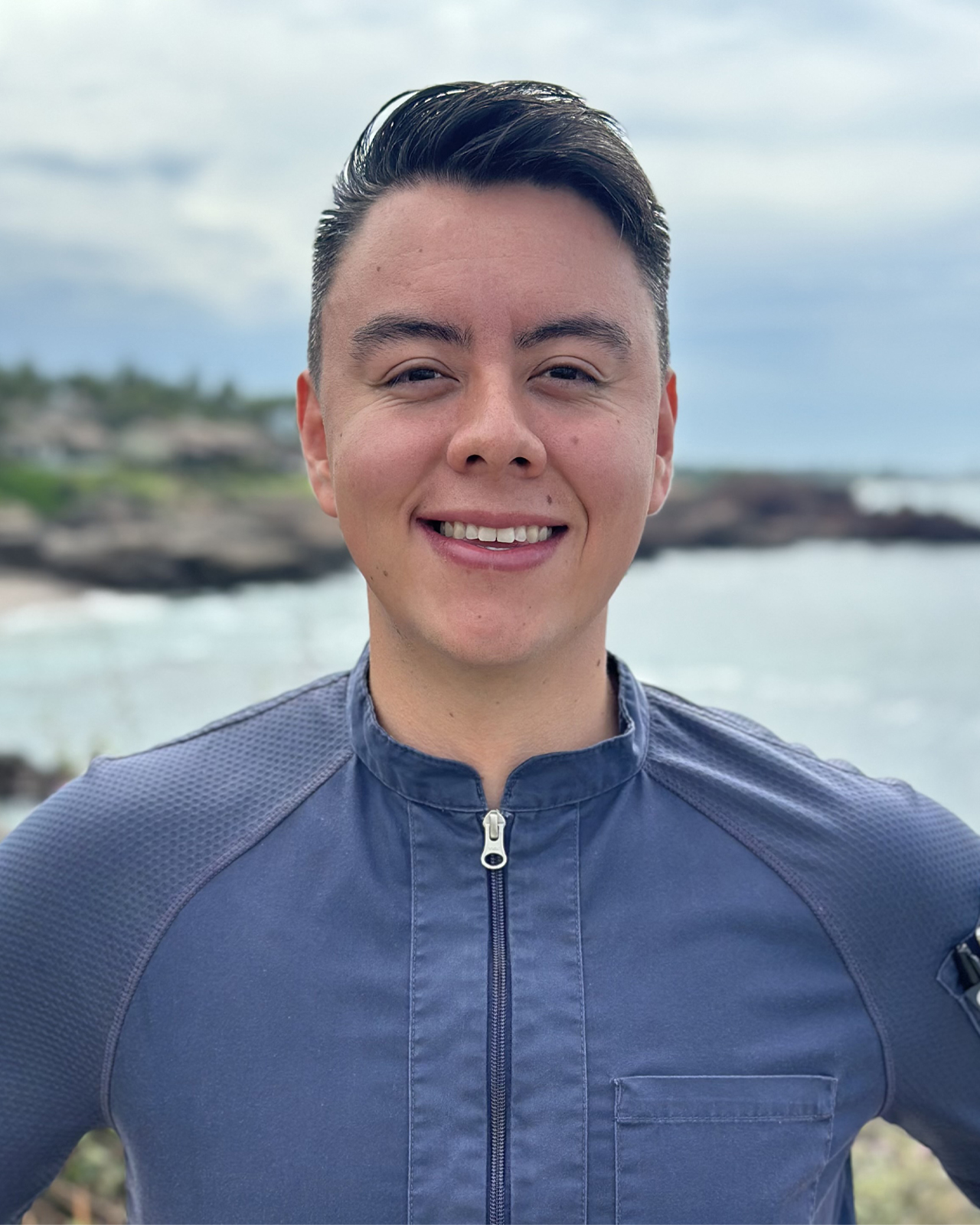
Naviva, A Four Seasons Resort, appoints Ramón Vázquez as head chef, extending its personalised culinary approach on Mexico’s Pacific coast.
A new chapter for a small resort
The official announcement gives a more detailed professional chronology. A native of Toluca in the State of Mexico, Vázquez graduated with honours in Gastronomy from Universidad de Ixtlahuaca. Before this promotion he was restaurant chef at Naviva, having previously served as sous chef. He joined the resort in 2025 after more than four years at Four Seasons Resort Punta Mita, progressing from Cook A in 2021 to chef de partie in April 2025. Earlier experience included La Leche in Puerto Vallarta and Petra Fonda. General manager Eduardo Sampere emphasised Vázquez's understanding of individual guests and his ability to support a collaborative kitchen. These details explain why the appointment is a promotion rooted in the existing property rather than a chef arriving without familiarity with the operation.
Naviva, A Four Seasons Resort, has appointed Ramón Vázquez as head chef at its private-peninsula retreat in Punta Mita, Mexico. The appointment, announced on 12 November 2026, places an experienced member of the existing culinary team in charge of the resort’s dining programme. Naviva occupies 48 acres of coastal forest overlooking the Pacific and is positioned around a more intimate, flexible kind of hospitality than a conventional large hotel. Four Seasons says that guests’ personal memories, individual tastes and seasonal ingredients shape meals, in place of printed menus.
Why the appointment matters
Chef appointments are common in luxury hotels, but continuity can be significant at a property where personal knowledge and improvisation are presented as central to the experience. Vázquez arrives with more than a decade of experience in luxury hotels and acclaimed restaurants, according to Four Seasons, and has already worked within Naviva’s culinary team. This is not the unveiling of a new restaurant or an independent chef-owned venture. It is a leadership change within an existing resort, with potential consequences for how consistently its customised approach can be delivered.
A resort without the conventional menu
Naviva’s stated model asks the culinary team to work from guests’ individual preferences and memories rather than simply hand them a fixed list of dishes. The idea may sound relaxed, but it creates serious demands for planning and communication. A chef must assess the ingredients available, understand dietary restrictions, learn what the guest enjoys and decide which preparations are realistic. Kitchen teams need systems that protect food safety and allow flexibility without losing control of service. The marketing promise is freedom; the operational achievement would be making that freedom feel effortless.
Personalisation versus spectacle
For well-travelled luxury guests, choice does not always mean an ever-longer menu. It may mean having a chef understand a particular flavour, family recipe or memory and interpret it appropriately. Such an encounter is different from a theatrical tasting menu composed to impress every table in the same way. The risk is that a supposedly personal experience can become scripted. The release provides the resort’s intention, not independent evidence that every guest receives a uniquely developed meal. A fair assessment of the concept must distinguish service philosophy from verified individual outcomes.
The importance of local context
Punta Mita sits on Mexico’s Pacific coast, where regional ingredients and culinary traditions offer considerable material for a creative kitchen. A resort should not claim authenticity merely by using an occasional local ingredient or a recognisable Mexican flavour. The deeper test lies in culinary knowledge, supplier relationships, respectful treatment of regional practices and an ability to adapt while preserving a dish’s character. Four Seasons says Vázquez brings a personal appreciation for Mexican cuisine. Specific supplier names, catch arrangements or farm partnerships are not supplied in the appointment announcement and should not be invented.
A different pace of luxury travel
Naviva’s forested peninsula setting suggests a hospitality experience that is as much about slowing the pace of a holiday as about pursuing a formal dining event. Guests who have spent the day outdoors may want an informal meal rather than a lengthy ceremonial sequence. Others may welcome a detailed conversation with the chef. The advantage of a flexible programme is its theoretical ability to accommodate both. But staff availability, ingredient lead times and operational constraints remain relevant, particularly for complicated requests. Travellers should discuss important preferences in advance rather than assume everything is possible at short notice.
What a head chef actually controls
The head chef’s responsibilities extend beyond cooking. Procurement, staff training, kitchen standards, scheduling, food safety and the consistent delivery of a property’s culinary identity all depend on management. At a resort where the offer is deliberately unscripted, the head chef must help the team decide when to improvise and when to preserve tested procedures. A strong result would make these decisions invisible to the guest. Although a press appointment is not proof of improved operations, it identifies the person responsible for carrying the dining philosophy forward.
The relevance to superyacht travellers
The attraction for superyacht owners and guests is not that Naviva is a maritime service or an onboard catering supplier. Rather, it provides a possible land-based contrast during a Pacific-coast journey. A yacht can offer considerable privacy, but some owners still seek a short retreat where meals and experiences are handled by a different hospitality team. The destination’s accessibility, logistics and availability must be checked independently for each itinerary. The appointment story belongs in SYG lifestyle because it concerns high-end hospitality, not because it announces any change to port or charter operations.
Understanding the difference between intimate and exclusive
An intimate resort is not necessarily defined by ostentatious service or the number of amenities listed on a brochure. It may distinguish itself through space, relatively low guest density and continuity of attention. Those qualities still require evidence; the 48-acre setting is a reported property fact, not proof of a particular guest-to-staff ratio or guaranteed level of privacy. The chef’s ability to remember a preference or adjust a meal may matter more to some returning guests than the existence of a celebrity-name restaurant. A credible article should avoid calling every high-priced experience uniquely exclusive.
Wellness and dining are connected but not identical
Luxury resorts often present food as part of a broader approach to wellbeing. That can encompass enjoyment, recovery and a sense of connection, but it should not be confused with medical treatment or a guarantee of improved health. A flexible menu may make it easier to accommodate dietary preferences, but guests with severe allergies must seek specific assurances from the kitchen. The announcement concerns a culinary appointment. It does not establish new nutritional programmes, medical services or quantified wellness benefits, and the story should not attribute such claims to Vázquez.
The challenge of balancing creativity and consistency
A guest-led dining format can produce unforgettable moments or inconsistent ones. There is no simple published recipe for maintaining quality when different meals must be invented from different conversations. Experienced chefs depend on ingredient knowledge, reliable mise en place and a team able to respond to unusual requests. Vázquez’s familiarity with the property may help him preserve continuity, although the actual results of his appointment will emerge through service over time. For hospitality managers, the case illustrates how a compelling brand philosophy becomes a practical question of staff skill and systems.
What prospective guests should ask
Visitors considering Naviva should confirm the current dining arrangements directly with the resort, including how preferences are collected, how much notice is needed for special meals and what restrictions apply. The appointment announcement does not set out a fixed set of dishes, an indicative tasting-menu price or a chef’s-table booking schedule. Those details should not be inferred. Travellers can also ask whether the chef or a senior team member will be available to discuss a specific culinary request. Precise answers are more useful than relying on promotional descriptions of spontaneity.
A leadership story, not a market verdict
The announcement’s most distinctive aspect is the pairing of an existing resort culinary philosophy with a new leader already familiar with the property. It does not justify claims that Naviva is the world's best culinary retreat or that this appointment changes the entire luxury-hotel market. It does, however, offer an instructive example of how an international brand attempts to make personal attention central to dining. Whether the concept succeeds will depend on experiences delivered to real guests, something that cannot be established from a release alone.
The next phase for Naviva
For Four Seasons, Vázquez’s task will be to translate the resort’s unscripted dining promise into consistent daily practice without stripping away the individuality that makes it attractive. For guests, the value of that approach will be felt in details: whether a preference is understood, a seasonal ingredient is explained and an occasion is handled with confidence. That is ultimately how a leadership appointment becomes meaningful. The news today is the change of chef; the longer story is how the new leadership shapes a distinctive dining experience on Mexico’s Pacific coast.
Primary source: Naviva, A Four Seasons Resort.
Photo: Naviva, A Four Seasons Resort / official Ramón Vázquez appointment press gallery, 12 November 2026. Official press photograph.