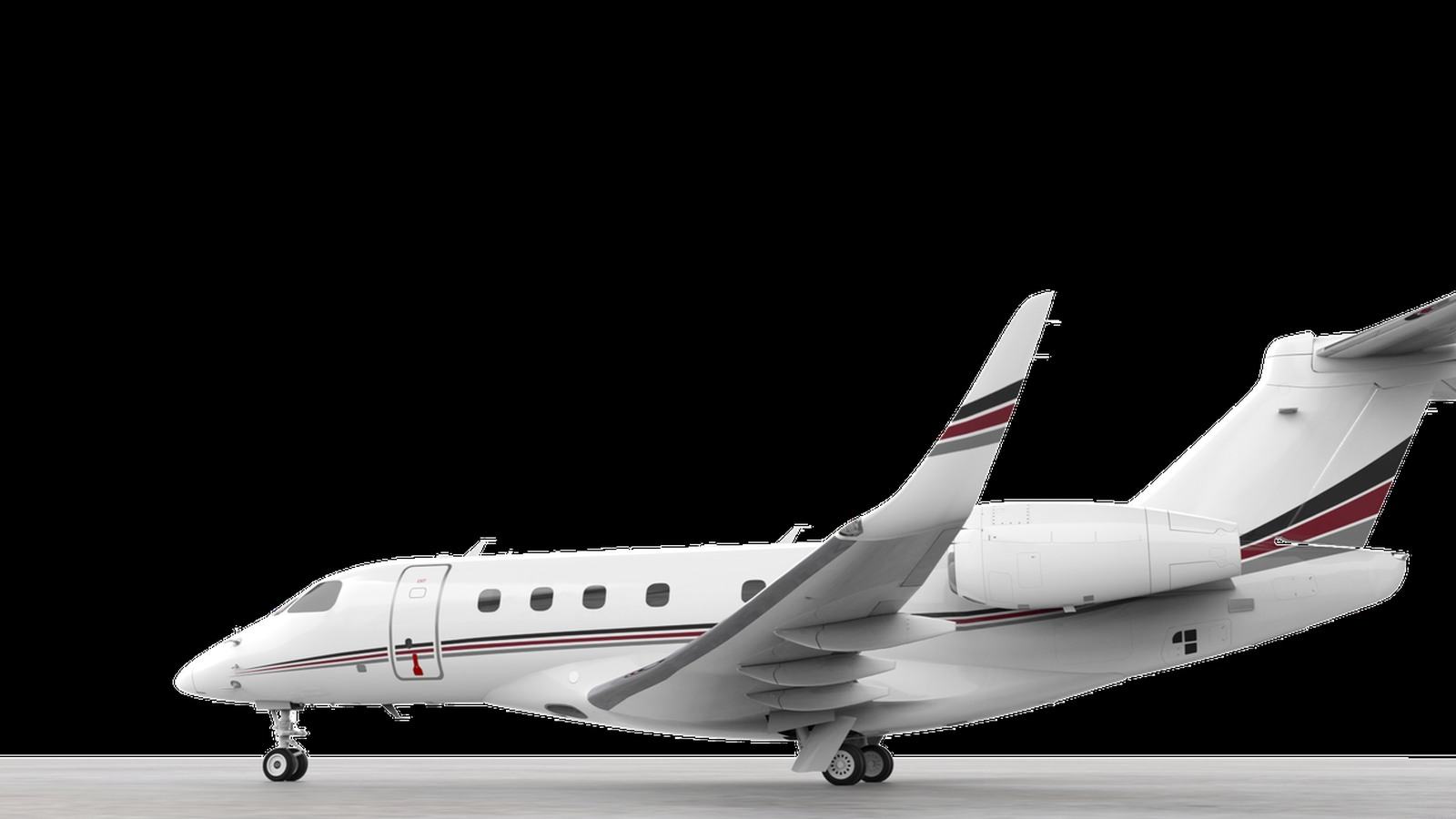
NetJets expects to take delivery of more than 80 new aircraft during 2026 as it expands capacity for owners and introduces new models including the Cessna Citation Ascend.
NetJets expects to take delivery of more than 80 new aircraft during 2026, a significant fleet expansion aimed at giving owners more availability across the jet classes they use most. The company says its additions are being shaped by operational data and owner preferences rather than simply increasing aircraft numbers across every category at the same rate.
For ultra-high-net-worth families, fleet depth matters because private aviation is often used precisely when schedules are least flexible. An owner may need an aircraft with little notice to connect a residence, family office, shipyard or superyacht itinerary, and the value of fractional ownership falls quickly if the preferred cabin class is repeatedly unavailable at peak periods.
More than 80 factory-new aircraft are due during 2026
NetJets says it expects more than 80 direct manufacturer deliveries during the year. The programme is intended to increase owner access while refreshing the fleet with current-generation aircraft, allowing the operator to place newer cabins, avionics and efficiency improvements into regular service rather than relying mainly on older capacity.
The scale is notable because each additional aircraft carries its own crews, maintenance requirements, training programme and scheduling implications. For owners, the visible result should be greater flexibility, but behind that sits a large operational system designed to make hundreds of aircraft behave like one coordinated private network.
The Citation Ascend will launch exclusively with NetJets
One of the most important additions is the Cessna Citation Ascend, which NetJets says will launch exclusively with its fleet. The midsize aircraft is intended to strengthen a category frequently used for regional missions where owners want stand-up comfort, baggage capacity and efficient access without moving into a larger intercontinental jet.
Midsize aircraft play a particularly useful role in a superyacht owner’s travel pattern. They can connect secondary airports and cruising regions with major financial centres while avoiding the operating scale of a large-cabin aircraft when the mission is only a few hours, allowing the fleet to match the aircraft more closely to each journey.
Scale gives the operator another form of luxury: availability
NetJets says it coordinates more than 1,400 flights worldwide each day and nearly 500,000 flights annually, including more than 95,000 international sectors. Those figures show why fleet expansion is not only a purchasing exercise; aircraft need to be positioned continuously around a network that changes with owner demand, weather, maintenance and international operating requirements.
For a private owner, the luxury is not seeing that complexity. The ideal experience is simply that the appropriate aircraft, crew and route are available when required. Large fractional fleets therefore compete partly through invisible logistics, turning scale into a form of convenience that would be difficult for an individual family office to reproduce with one wholly owned aircraft.
Fractional ownership can reduce the burden on family offices
Whole-aircraft ownership remains attractive for families with highly predictable utilisation or strong preferences around cabin configuration and crew. Fractional access offers a different proposition: the owner buys reliable use while the provider carries much of the responsibility for maintenance planning, pilot staffing, repositioning and fleet management.
That can be appealing to superyacht owners who already manage another complex mobile asset. A large yacht brings crew, technical management, insurance, compliance and maintenance responsibilities of its own, so using a managed aviation platform can prevent the family office from duplicating a second full operational department unless the travel pattern genuinely justifies it.
The fleet is becoming part of a wider private-mobility system
The new deliveries also sit alongside NetJets’ broader owner services, from long-range Global aircraft to ground support and affiliated security capabilities. The strategy reflects a wider move in private travel toward controlling the entire journey rather than viewing the flight as an isolated transaction between two airports.
For ultra-high-net-worth owners, the most useful mobility systems are those that preserve time, privacy and continuity across several modes of transport. More than 80 new aircraft therefore matters less as a headline number than as additional capacity inside a network designed to move owners between homes, offices, aircraft and yachts without forcing their lives to conform to a fixed airline schedule.
Source
NetJets