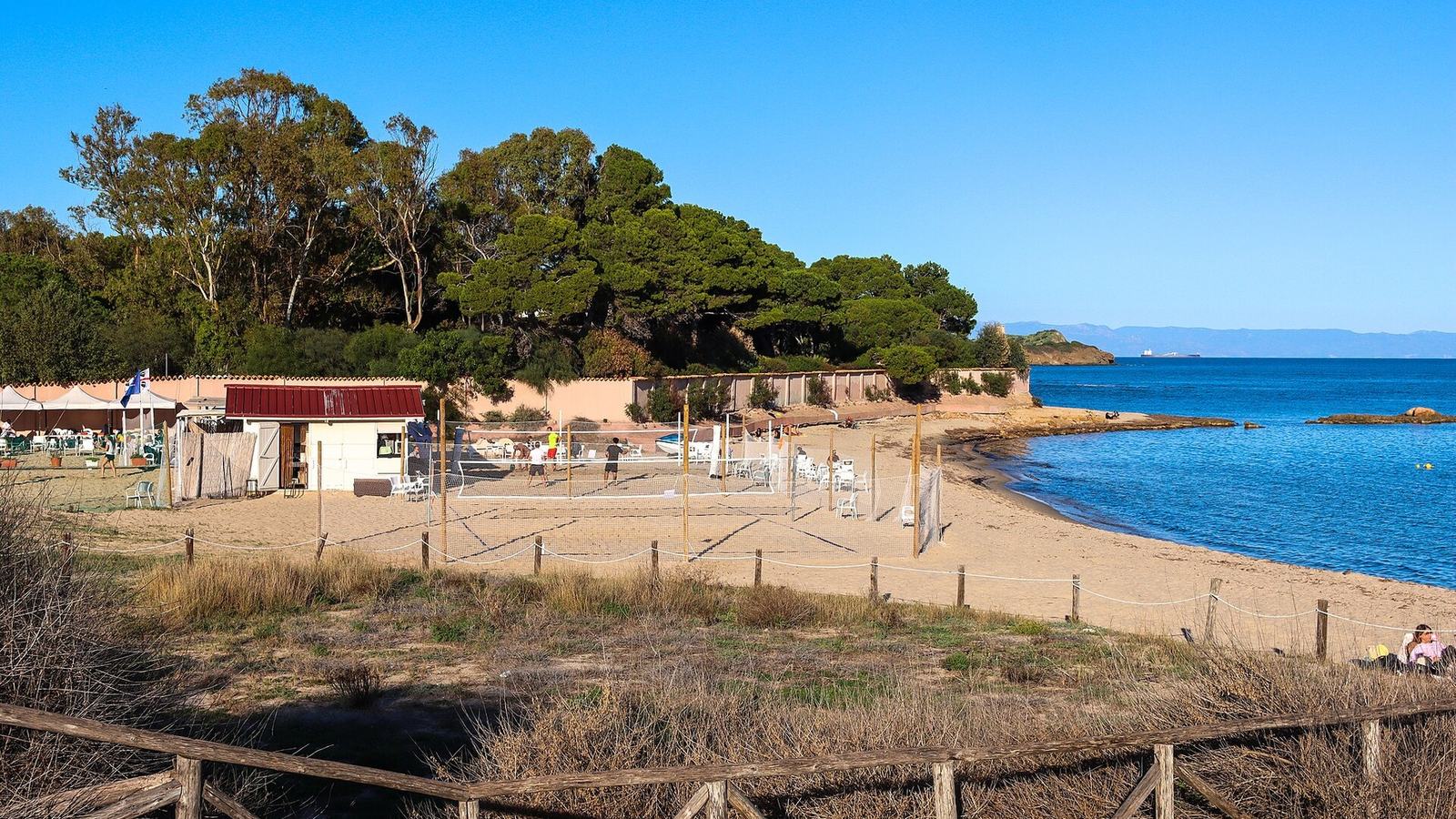
The archaeological city of Nora at Capo di Pula offers superyacht guests a rare chance to connect Sardinia's coastal scenery with its Phoenician, Punic and Roman history.
A coastal landscape with several histories
At the southern end of Sardinia, the coastal site of Nora offers a surprisingly direct connection between the movement of ships and the development of ancient settlements. A yacht guest looking towards the shore sees a pleasing meeting of low land, water and open sky. The remains on the peninsula tell a much more complex story: commerce, defence, religious practice and urban life followed one another here over many centuries. For a superyacht itinerary in the Cagliari region, Nora is a compelling alternative to a day designed only around beaches and restaurants. Its importance comes from the position of the ruins beside the sea, where maritime trade helped create the city in the first place.
The official archaeological presentation from Fondazione Pula Cultura and the Sardinian national museums describes occupation associated with Phoenician traders, later Punic development and a Roman city. The organisations are careful about archaeological evidence, including the difference between literary accounts and dated material remains. That care is a useful model for travel writing. Nora should not be sold with an invented story of a single dramatic founding day or a certainty about every wall visible on the ground. The pleasure of visiting is discovering how historians read incomplete material evidence, and how the coastline itself gives that evidence context.
Why ships mattered to Nora
The island sits in a central position within Mediterranean movement. Nora's coastal location allowed traders to connect Sardinian resources with wider exchange routes. The local heritage foundation highlights early evidence of temporary structures associated with merchant activity, followed by a more permanent settlement. This story is particularly relevant to guests arriving by sea. It makes clear that modern freedom of movement aboard a yacht belongs to a very long tradition of choosing ports for weather, geography and access to communities. Today's passage plan has technological tools unavailable to early sailors, but the importance of a hospitable coast has not changed.
There is a danger in treating archaeological sites as a parade of empires. Nora's history cannot be reduced to one community abruptly replacing another every few centuries. The archaeological record reveals continuity, adaptation and layers of building. Romans developed civic spaces such as a forum, theatre and bathing complexes, yet traces of earlier periods remain central to the story. A good guide can explain that complexity through the physical layout, identifying what is confirmed and what is a scholarly interpretation. That is more satisfying than a polished but unreliable narrative. It also gives visitors a reason to pay attention to smaller remains rather than only the most photogenic structures.
The archaeology is the main event
Nora is an open-air archaeological visit, not a formal museum in which temperature and walking distances can be controlled. The setting is part of the attraction, but it creates practical demands. Footwear suitable for uneven ground, water, sun protection and a realistic duration are basic preparations. Guests who are particularly interested in Roman urban life can allocate more time to the layout of the former settlement. Others may prefer a concise specialist introduction followed by a walk with opportunities to stop and take in the headland. The purpose is to see what survives, not to hurry through a checklist of monuments.
The foundation publishes opening information and ticket arrangements, and these should always take precedence over schedules repeated by third-party travel sites. Its material places Nora within a network of museums and interpretative work in the wider Pula area. A yacht concierge can ask about guided formats, language, group limits and accessibility before proposing a fixed guest timetable. Archaeological activity and conservation can also change which sections are open. None of those ordinary restrictions diminishes the site; they are the reality of preserving an exposed coastal city whose remains continue to be studied.
Using a southern Sardinia yacht call wisely
A superyacht captain should distinguish the destination on land from a berth or anchorage. The fact that Nora stands beside the sea does not imply that its archaeological shore is an authorised landing place. The vessel may be based at a suitable marina elsewhere in the region, with the site reached by arranged road transfer. Local maritime guidance, weather and any marine protections must govern the yacht's movements. That separation between ship logistics and cultural touring allows the guests' day to be designed without making promises about access which the captain cannot fulfil.
Owners frequently want each port call to feel different, especially on a longer Mediterranean programme. Nora suits that requirement because it offers a close encounter with the island's past while retaining the light and space of Sardinia's southern coast. It can be the intellectual centrepiece of a day that also includes local food or another managed shore visit. Crew should resist combining too many distant stops purely because they appear on the same map. A coherent half-day with a specialist guide is often more rewarding than a rushed survey across the region.
Interpretation, not spectacle
The heritage materials identify the Nora stele and the earliest Phoenician evidence as subjects of special significance. The stele itself is associated with the use of a name for Sardinia, while archaeological research at the site has refined understanding of later occupation. These are real reasons to visit. They do not need exaggeration into claims that every visible feature is the oldest of its type in the Mediterranean. The setting rewards curiosity: why was this headland attractive to mariners, how did urban structures change, and what does the evidence allow historians to conclude about daily life?
A professional guide who can connect the surviving structures to seaborne exchange will often make the greatest difference to the visitor experience. The goal is not simply to identify the theatre or bath complex. It is to help guests imagine a city shaped by its access to the sea while acknowledging the centuries of erosion, reuse and excavation that separate us from it. In that respect Nora is an excellent subject for thoughtful superyacht travel: the visitor already approaches Sardinia through its waters and can now learn how earlier generations did the same.
Preserving what makes the place worthwhile
Nora's archaeological remains are vulnerable to the pressures of exposure and repeated visitation. Guests should follow marked routes, photography guidance and requests from site staff, including any restrictions on drones, touching structures or entering conservation areas. Yacht teams accustomed to handling high-profile guests may need to explain that a UNESCO-style or nationally managed heritage visit is not a venue for unrestricted private access. The site exists for public education and continuing research. Good visitors leave no trace beyond the support provided through legitimate admission and local guiding services.
The strongest memory of Nora may be its extraordinary continuity: ships arriving, communities adapting, streets being laid out and later excavations revealing fragments of those lives. That is a richer narrative than a simple beach detour. A well-designed itinerary gives the archaeological peninsula its own place in the day, arranges access through official channels and keeps the yacht's navigation separate from the sightseeing plan. For guests spending time in southern Sardinia, it provides a grounded, memorable expression of what Mediterranean cruising can offer beyond the boat itself.
How to turn research into a guest experience
Before arranging a specialist visit, a yacht concierge can ask the guests which aspect of ancient history most interests them. Some may be curious about the earliest traders and their sea routes; others may respond to the form of a Roman city and its public spaces. This short conversation helps a guide select a coherent explanation and prevents the excursion from becoming a sequence of dates delivered without context. The official archaeological organisations provide the factual framework, while the guide interprets what the group can actually see. It is a useful model of personalised luxury: thoughtful preparation improves access to knowledge, not merely access to a prestigious location.
The same preparation should encompass the physical demands of the visit. A realistic timetable includes travel time from an authorised marina, pauses for explanation, water and shade, and the possibility of changing the plan if the weather is unsuitable. Guests can then appreciate Nora's history at a humane pace. A visit that has been properly prepared need not feel rigid; it gives everyone the freedom to focus on the sea-facing remains, ask questions and return to the yacht with a more informed view of Sardinia's long maritime role.
Photograph: Mike Peel / Wikimedia Commons, CC BY-SA 4.0; Nora coastal area, not a photograph of a yacht. Image resized for web. Original photograph and creator; Creative Commons licence.

Primary source: Fondazione Pula Cultura / Sardinian National Museums. Opening hours, rules, berthing and visitor arrangements should always be reconfirmed with the responsible local authorities.