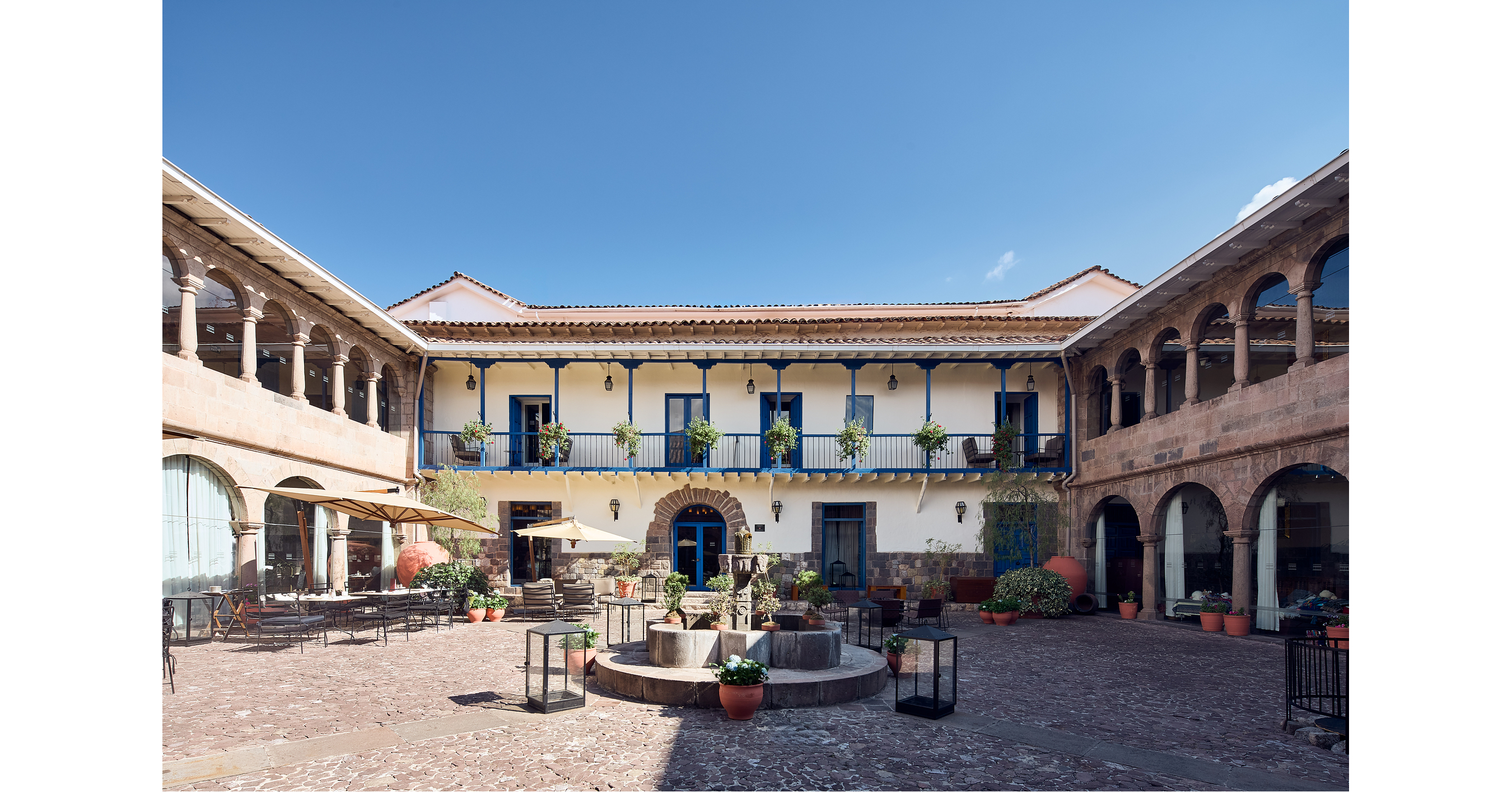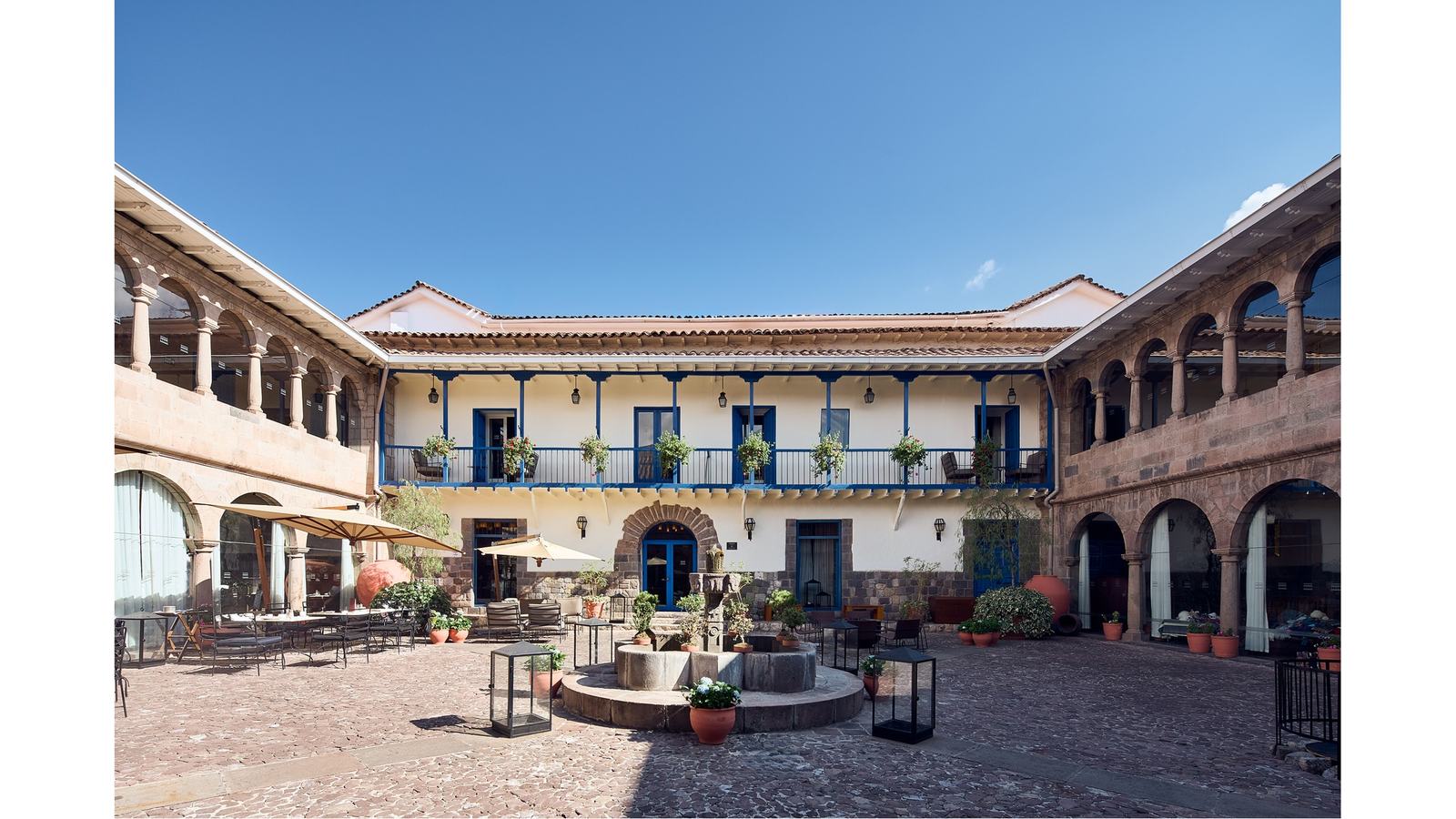
Palacio del Inka in Cusco combines historic Inca masonry, Viceregal art, Peruvian gastronomy and cultural hospitality within an established luxury hotel.
Cusco's Palacio del Inka offers a form of luxury hospitality in which the existing building and its collections contribute directly to the character of a stay. Marriott International highlighted the property on 11 November 2026, drawing attention to the Inca stonework incorporated into its architecture, the collection of works from the Viceregal period and practical opportunities to explore Peruvian culinary traditions. The announcement concerns an established hotel rather than a newly opened development. For internationally mobile private clients, it provides an interesting alternative to hospitality concepts that depend principally on newly constructed facilities. Here the cultural surroundings, the objects already present in the building and the interpretation of the city's history are central to the proposition.
A historic setting opposite Qorikancha
The hotel stands across from Qorikancha, a site of particular historical importance within Cusco. That relationship helps distinguish the experience of staying in the historic centre from one based at a contemporary resort outside the city. The buildings around the hotel contribute to the visitor's understanding of the succession of architectural and cultural traditions visible in Cusco today.
Marriott describes Palacio del Inka as incorporating evidence of more than five centuries of history, combining Indigenous and colonial architectural elements with the requirements of a functioning hotel. The age of the different components should not be treated as identical. A building that develops over generations may retain parts from one period alongside later alterations, restorations and contemporary services.
Visitors with a serious interest in architectural history may benefit from exploring the surrounding district with a qualified local guide rather than relying solely on visual impressions. Architectural forms and materials may acquire different meanings depending on the context of their construction and subsequent use, particularly in a city with a complex history of political and religious change.
The Inca stonework within Rumi Bar
One detail singled out in Marriott's account is a wall of Inca masonry covering approximately 64 square metres within Rumi Bar. This is a particularly tangible example of how historic fabric can become part of a contemporary hospitality environment. The wall remains a physical element of the building rather than a decorative imitation constructed for the hotel.
For someone accustomed to commissioning yacht interiors or private residences, it offers an opportunity to consider design decisions made under very different circumstances. A new interior can be conceived around selected materials and objects from the beginning. A historic property requires its designers to respond to elements whose significance precedes the present use of the building.
Lighting, circulation, furniture and the installation of modern amenities must be considered in relation to existing materials. The most compelling interventions may be those that allow the historic surface to remain legible without transforming it into an isolated display. A visitor who spends time in the room can observe the relationship between the masonry and the practical activities of hospitality, rather than encounter the stonework only as an image in a brochure.
An extensive collection from the Viceregal period
The hotel reports a collection of 195 works dating from the Viceregal era, including sixty original paintings associated with the Cusco School. These are displayed within various corridors, lounges and public rooms, rather than being concentrated exclusively in a separate gallery.
The arrangement creates opportunities to encounter paintings at different points in an ordinary day. A guest can consider both the individual works and their relationship to the architecture through which one moves. The interaction between images, furniture and the spaces in which people gather can offer a different experience from viewing the same objects within an exhibition organised around chronological or stylistic categories.
The release does not provide an individual catalogue with attribution, date, conservation history and provenance for every piece. A collector wishing to investigate a particular painting should therefore enquire about the information available from the hotel. The significance of the collection for a visitor does not remove the need for specialist research when establishing the exact history or artistic attribution of a particular work.
The distinctive world of the Cusco School
The collection's concentration of Cusco School paintings introduces one of the most significant traditions associated with religious and artistic life in colonial Peru. Artists working in the region adapted visual sources and techniques associated with European painting while drawing on a distinctive local environment and cultural experience.
Many of these works cannot be understood fully simply by comparing their apparent quality of execution with later European academic painting. Subjects, conventions and the treatment of materials need to be considered according to their original religious, social and political contexts. The visual language of a work may express relationships between traditions rather than an uncomplicated reproduction of a single imported model.
For private collectors, time spent encountering these paintings in Cusco may help establish a more informed relationship with similar objects in other collections. Respect for the original context remains important when considering acquisitions. The exportability, ownership history and legal status of culturally significant objects require careful assessment with properly qualified professionals, rather than reliance on an attractive account of their origin supplied by a seller.
Peruvian gastronomy as another form of cultural encounter
The property also uses its culinary programme to introduce visitors to different aspects of local culture. Marriott identifies the Marquis Heritage experience at Inti Raymi Restaurant, offering vegetarian and meat-based alternatives. A Pisco Sour Masterclass at Rumi Bar provides an additional opportunity to explore the preparation and history of a recognised Peruvian drink.
A dining experience of this type becomes most informative when the relationship between the ingredients, their places of origin and their preparation is considered alongside the final presentation. Peru encompasses widely differing landscapes, and the ingredients found in the country's kitchens reflect those varied environments.
Private guests who wish to investigate a particular culinary tradition should ask whether the concierge can arrange an appropriate specialist experience. A person with a particular interest in regional products, cooking methods or the history of a dish may prefer an encounter designed around that interest rather than a broad introductory programme. The actual menus and available activities should be confirmed for the intended dates, particularly where individual ingredients are seasonal.
Planning a visit to a high-altitude destination
Cusco is a very different environment from the sea-level destinations often encountered by superyacht owners. Its elevation has practical implications for the pace and organisation of a visit, especially for travellers arriving directly from coastal locations.
A thoughtful itinerary should allow sufficient flexibility following arrival rather than assuming that a visitor can immediately undertake every planned excursion. People respond differently to high altitude, and travellers with relevant health concerns should obtain individual medical advice before their journey. Wellness services at a luxury hotel, including its spa, should not be treated as medical protection against altitude-related illness.
The hotel's central position offers an opportunity to explore nearby streets, galleries and cultural sites without necessarily travelling long distances throughout the first part of a stay. The concierge can help identify suitable arrangements, but individual access requirements and the current conditions of particular sites should be checked in advance. A slower visit may also be more rewarding for a collector or architectural enthusiast wishing to spend substantial time examining a limited number of places.
Connecting cultural stewardship with contemporary hospitality
Historic properties operating commercially have responsibilities that differ in important ways from those of newly constructed hotels. The ongoing preservation of significant architecture and objects has to coexist with the requirements of guests, staff and the maintenance of modern building systems.
Visitors may encounter historic surfaces that cannot be replaced or altered as readily as contemporary finishes. A collection displayed within an operating hotel similarly requires attention to environmental conditions, cleaning, security and the practical arrangement of public spaces.
Owners of substantial private collections can recognise related questions within their own residences and yacht interiors. Objects placed in locations that are actively used need to be assessed in relation to environmental changes, accidental contact and the demands of regular maintenance. Responsible stewardship is not necessarily incompatible with daily enjoyment, but it requires an understanding of the properties of the objects and the environment in which they are kept.
A luxury stay defined by the city rather than isolated from it
Palacio del Inka's relationship with Cusco is central to its appeal. The nearby Qorikancha, the city's Plaza de Armas and its artisan businesses and galleries provide opportunities to connect the hotel experience with a much broader cultural landscape. The existing architecture and art collection offer points from which those interests can develop.
The November announcement also identifies the Andes Spirit Spa and personalised concierge arrangements. These services may contribute to the comfort of a stay, but the property's most distinctive characteristics remain its historic setting and cultural contents.
For travellers accustomed to the independence of a private yacht, a visit to Cusco presents an opportunity to exchange a maritime environment for an entirely different geography and history. Its most valuable experiences need not be concentrated into a succession of highly elaborate activities. Time spent examining stonework, understanding the individual character of paintings or discussing culinary traditions with knowledgeable local specialists may reveal more about the destination than a rapid itinerary organised around the greatest possible number of attractions. Palacio del Inka offers a base from which to pursue that kind of visit.
Primary source: Marriott International, official Palacio del Inka release, 11 November 2026.
Image: Marriott International / Palacio del Inka, official press release photograph via PR Newswire. Official source.