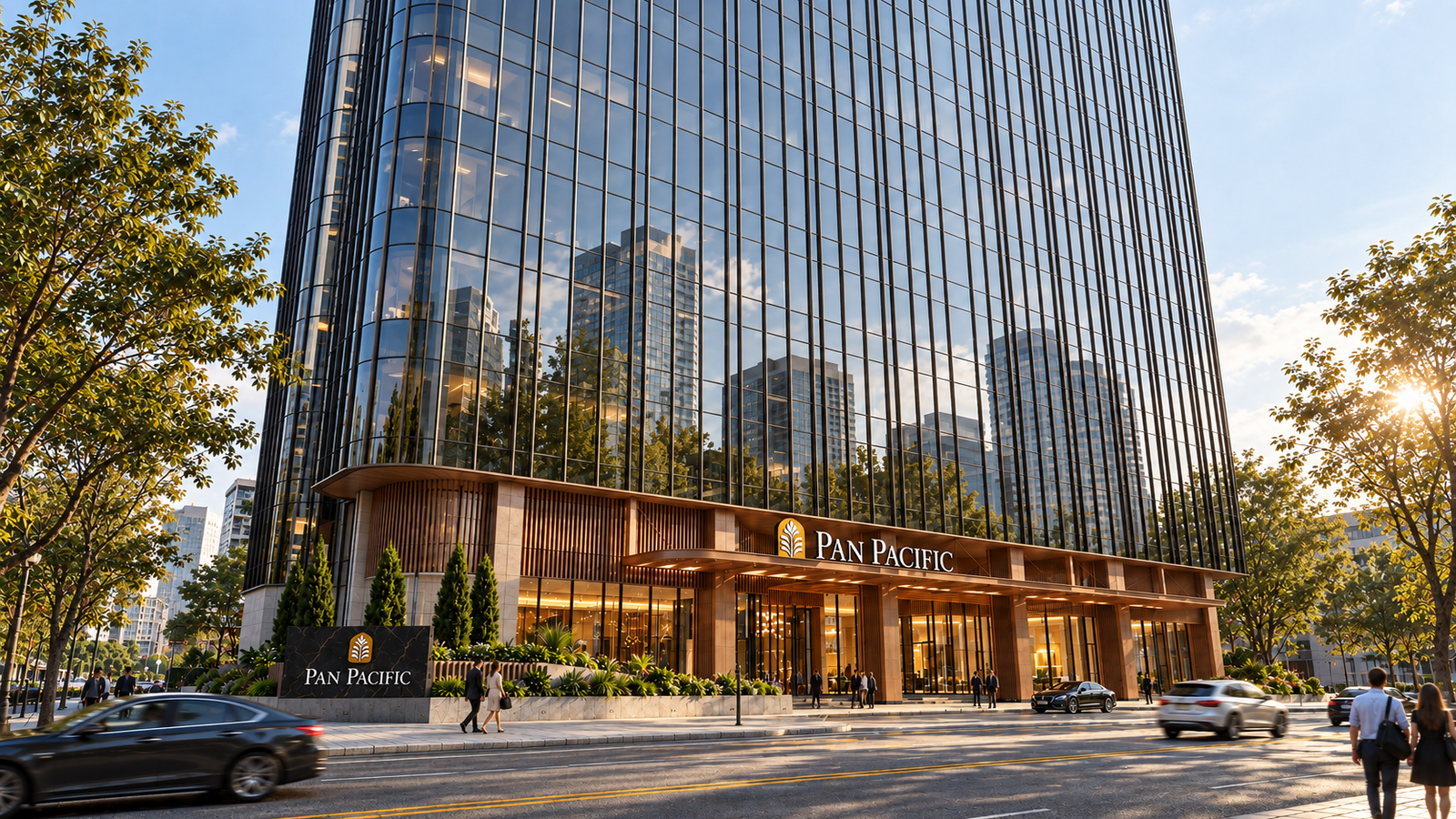
Pan Pacific Hotels Group says more than half its portfolio has been rebuilt or substantially refreshed since 2020, with ten further Southeast Asian projects planned.
Pan Pacific Hotels Group is accelerating a portfolio-wide transformation it calls Version 2, with more than half of its hotels already newly built or significantly renovated since 2020. The next stage includes ten projects across Southeast Asia in 2027, combining new openings, major renovations, wellbeing-led design, sustainability and technology intended to remove routine friction.
The hotel is being treated as more than a room product
Pan Pacific says the programme combines physical renovation with changes to brand positioning, guest experience, sustainability and technology. The objective is not to impose one visual template but to make each property more relevant to how travellers use hotels today.
That broader approach makes sense at the luxury end of the market because an expensive room alone is no longer a strong differentiator. Guests judge how smoothly they arrive, work, eat, exercise, recover and interact with staff across the entire stay.
Wellbeing is moving into the core proposition
The group points to growing demand for wellness among affluent Asia-Pacific travellers and has used biophilic design and stronger connections with nature across parts of the portfolio. Pan Pacific Orchard in Singapore is one visible example of that direction.
Wellbeing works best when it is built into architecture and daily routine rather than confined to a spa menu. Natural light, planting, quiet circulation and easy access to exercise can influence a guest for many more hours than a single booked treatment.
Technology is meant to disappear into the service
Pan Pacific’s strategy treats contactless systems and mobile services as tools for removing repetitive tasks rather than replacing staff. The aim is to make routine interactions faster so employees can spend more time on personalised hospitality.
For high-end guests, that is the correct balance. Technology is useful when it reduces waiting, paperwork and repeated requests, but luxury still depends heavily on human judgement when an itinerary changes or a guest needs something that falls outside a standard workflow.
Southeast Asia becomes the next major growth stage
The 2027 programme includes new and renovated properties in Bangkok, Phnom Penh, Siem Reap, Hanoi, Jakarta, Kuala Lumpur, Penang and Manila. Pan Pacific is also strengthening its luxury brand through planned openings in Bangkok and Phnom Penh.
The geographic emphasis reflects the growing importance of Southeast Asia to international luxury travel. For yacht owners, many of these cities also connect naturally with cruising hubs, private aviation and longer regional itineraries through Thailand, Indonesia and the wider Asian market.
Official sources: www.mynewsdesk.com.
Source
www.mynewsdesk.com