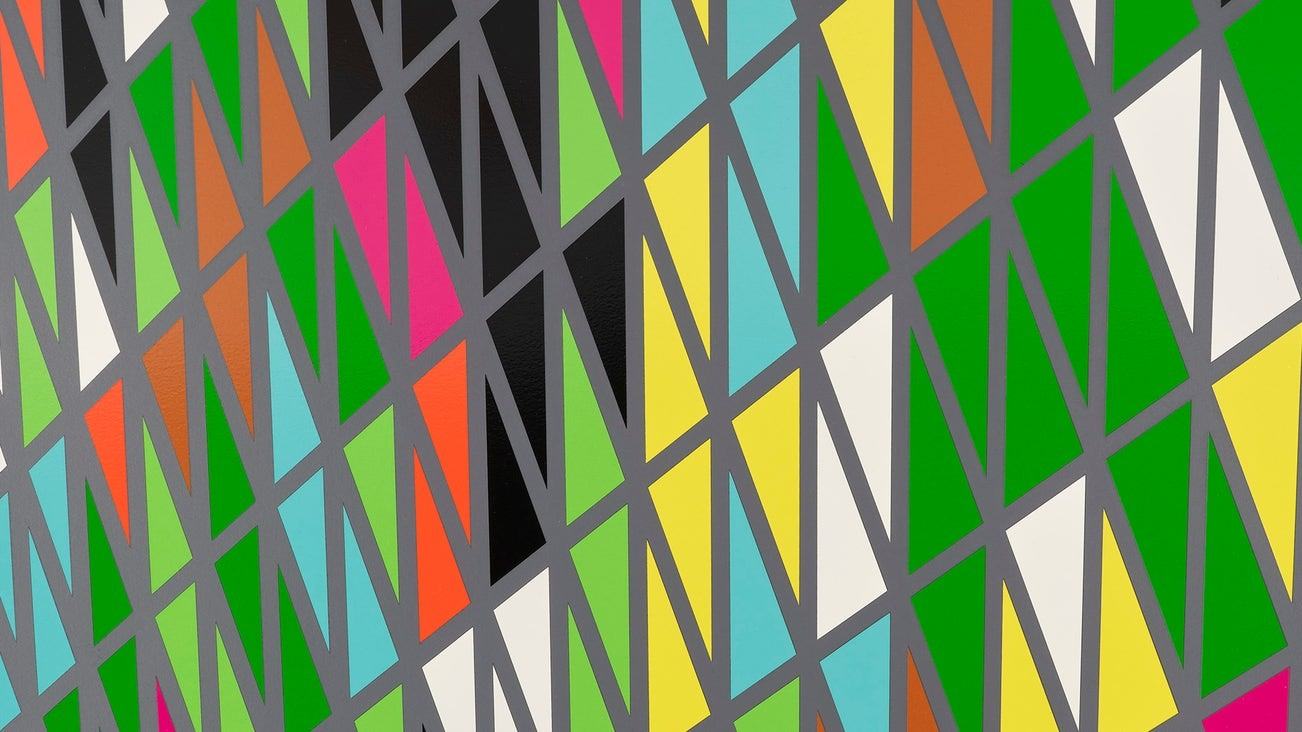
An online Phillips New York Editions & Works on Paper sale will run 20–28 October without reserve prices, featuring prints and editions by Julian Opie, Tauba Auerbach and others.
An online route into collecting prints and multiples
Phillips has scheduled an Editions and Works on Paper: No Reserve Online Auction in New York from 20 to 28 October 2026. The sale is designed for digital bidding and offers a range of contemporary prints and multiples without the reserve prices that typically establish a minimum acceptable sale level.
Featured names include Julian Opie, Tauba Auerbach, Sterling Ruby and Robert Rauschenberg, illustrating the difference in artistic approach that a collecting category as broad as editions can include. The selected objects range from figurative and abstract prints to works produced through more experimental processes.
The absence of a reserve should not be mistaken for a guaranteed bargain. Competition between bidders can push a final price well beyond an estimate, and buyer premiums, taxes and transport costs must be considered in the total acquisition budget.
What no reserve actually changes
In many auctions a confidential reserve sets the minimum hammer price at which an item may be sold, subject to the sale terms. A no-reserve format removes that minimum, allowing bidders to determine the hammer result, although registration requirements and the auction house’s conditions still govern participation.
Phillips lists the online sale as opening at noon Eastern Time on 20 October, with bidding ending from noon on 28 October. Lots are set to close consecutively in one-minute intervals, and the platform’s bidding rules should be read before deciding when to participate.
Online auctions can attract international buyers unable to travel to New York for physical previews, but remote bidding also places greater weight on reliable digital documentation. Screen-based photographs cannot always reveal surface changes, creasing or the full dimensions of an artwork.
Comparing artists across editions
Julian Opie’s Elena, schoolgirl (with lotus blossom) is among the highlighted works, while Tauba Auerbach’s Plate Distortion I offers a very different exploration of surface and image. The variety demonstrates why edition numbers alone say little without an understanding of the methods and objectives of the artist.
Works on paper may be produced as lithographs, screenprints, etchings or mixed-media multiples, and the characteristics of each process affect how editions are authenticated and preserved. Collectors should ask about print-shop records, printer proofs, signatures and archival documentation wherever relevant.
Rauschenberg and Sterling Ruby bring other perspectives to the sale, demonstrating how artists can use an editioned object for ideas that extend beyond a single studio medium. Price guides should be compared with actual condition and comparable works rather than with the creator’s name alone.
Bidding thoughtfully from another country
The ability to register and bid online does not remove practical questions about shipping, import duties, insurance and the possibility of damage during transit. Paper and mixed-media works can be particularly vulnerable to inadequate packaging or changes in humidity.
Buyers should review a full condition report before the auction opens and obtain clarification on whether an object is framed, whether the frame is included and how it will be delivered. Bidding on an unfamiliar work without those details can turn an apparently attractive purchase into an expensive project.
The October no-reserve sale is useful for collectors wishing to study a broad range of artists and techniques in one place. The soundest approach is to arrive with clear criteria and a complete budget, and to let the quality of the individual object determine the bid.
Source
Phillips Editions Department