How to turn a call at Marbella's Puerto Banús into a considered superyacht guest experience, from marina arrangements to dining, walking and local culture.
More than a row of yachts
Puerto Banús is one of the Mediterranean's instantly recognisable marina names. Its image is shaped by large yachts, designer boutiques, restaurants and the social theatre of a busy waterfront. A guest arriving aboard a superyacht can enjoy all of that, but a satisfying visit needs more intention than a walk past expensive shopfronts. The marina is also an operating port where berth management, maintenance requirements and ordinary vessel movements sit beside its leisure identity. Recognising both sides helps a crew plan a stop that feels effortless to guests because the practical details have been handled properly in advance.
The official Puerto Banús marina website describes a facility with more than 900 berths accommodating a range of boats, including yachts and superyachts, along with marine and visitor services. That headline figure does not mean every berth suits a particular vessel. Available length, draught, shore power, seasonal reservations and the conditions set by the operator must be checked for the yacht in question. The distinction matters to an owner reading about a glamorous destination: a large marina can still have very specific limitations for an unusually long or deep-draught ship.
The arrival is a marine operation
An experienced captain will treat Puerto Banús as a real port, not a photographic backdrop. The berth allocation, approach guidance, manoeuvring space and instructions from marina staff need priority over the guest timetable. Superyacht traffic can be concentrated during events and peak holiday periods. Provisioning and transfers require equally careful coordination because the waterfront is used by many people beyond those aboard the yacht. The right plan establishes the vessel's operational needs first, then builds the onshore experience around an honest assessment of the time and access available.
The marina's official services pages are the place to confirm current arrangements rather than relying on widely repeated figures from yacht directories. A crew preparing for a visit should confirm any required documentation, operating hours for specialist services and the difference between confirmed facilities and amenities offered by third parties. Guests should not be promised an individual boutique, table or waterfront viewing position merely because it appears in promotional imagery. A visit is more polished when the concierge has made actual reservations and checked changes close to arrival.
Building an unhurried waterfront afternoon
The simplest and often most pleasant programme starts with the marina itself. A stroll along the waterfront allows guests to orient themselves, take in the boats and decide how much time they want to spend ashore. Dining can then be a natural continuation rather than a tightly scheduled performance. The marina's combination of shops and restaurants makes it possible to divide a group without making everyone participate in the same activity. A party might agree a meeting point for a later meal while individual guests browse, take photographs or return briefly to the yacht.
A useful concierge plan also accounts for the heat, the pace of the group and the nature of the visit. Guests arriving after a long passage may prefer only a short walk and a relaxed dinner. Those spending several days in Marbella can distribute activities across different afternoons. The objective is not to prove that every famous attraction has been visited. Puerto Banús works best when the schedule leaves room for spontaneous pleasure while the crew quietly manages transport, security, return times and any accessibility needs.
Looking beyond the marina
Marbella is more than Puerto Banús. The municipal tourism service identifies several sports harbours in the wider area, while the city offers a contrasting old centre and coastline. A thoughtful yacht itinerary can link the waterfront to that broader setting without confusing the two. Guests who enjoy architecture or Andalusian urban life may prefer an arranged visit away from the marina for part of the day. Others may focus on restaurants, beach time or a longer coastal drive. Every choice requires local opening information and travel estimates, because roads and the pattern of tourist traffic change with season and time of day.
When the yacht is in port for business or maintenance, a separate shore programme can be valuable for guests. The captain's schedule should not be compromised to accommodate an excursion whose transfer has been underestimated. The operator's current marina information and Marbella's official tourism pages provide a better foundation than assumptions drawn from a social-media itinerary. Visitors should also take care to distinguish historic Marbella from modern luxury development. The city's appeal is strengthened by the contrast, not by presenting the entire coast as an uninterrupted designer-shopping district.
The difference between display and experience
Puerto Banús is frequently photographed as a symbol of conspicuous yachting wealth. An owner aboard a large vessel may have little need for that spectacle as a novelty. The better reason to visit is the access to services, hospitality and a social setting that can be fitted to the owner's preferences. Some guests will enjoy a busy evening; others may value private dining or an early return to the vessel. The shore itinerary should begin with those preferences rather than with a standard list of venues presumed suitable for every high-net-worth traveller.
Privacy also requires practical judgment. Popular marina promenades are public places and the presence of a yacht does not create a private perimeter around the shore. Crew can coordinate discreet arrivals and meeting points without treating local visitors or businesses as obstacles. If a private event is contemplated, any necessary permissions must be secured from the relevant venue or authority. A polished visit acknowledges both the glamour and the shared character of the waterfront. That balance is more sustainable for the destination and more comfortable for the guest than attempts to control the entire public setting.
Seasonality and weather matter
Southern Spain is attractive for much of the year, but conditions at sea and visitor patterns on land do not remain constant. The captain's plan must reflect weather, marina guidance and the vessel's actual operating requirements. A lunch reservation that seems comfortably timed may need to change if the approach or berth manoeuvre takes longer than expected. Guests on a fixed travel itinerary should also be advised when transfers and seasonal crowds could affect their return. These are ordinary issues in professional yachting, and addressing them early is what makes the day feel relaxed.
Shore activities deserve the same attention. Walking conditions, opening hours and the availability of specialist transport should be confirmed rather than inferred from last season's publicity. A group including children or older guests may benefit from shorter distances and a clear option to return to the yacht. Security arrangements should be discreet and proportionate. The aim is not to turn a relaxed Mediterranean stop into a complicated operation, but to preserve flexibility by understanding the constraints before guests become committed to a particular timetable.
Making Marbella part of a longer cruise
Puerto Banús can be one stop on a western Mediterranean cruise rather than a stand-alone holiday. Its value in a larger programme depends on the other ports, the yacht's range and the owner's appetite for social versus cultural experiences. The surrounding coast offers very different rhythms, and the crew should make those distinctions explicit when presenting options. A day at a sophisticated marina is not interchangeable with a remote anchorage, a heritage town or a technical service call. A strong itinerary uses each for what it does particularly well.
For Puerto Banús, that strength is the ability to connect a working superyacht arrival with a distinctive, walkable luxury waterfront. Official marina information establishes the operational baseline; carefully verified reservations and local guidance then shape the guest experience. The outcome need not be extravagant to be memorable. An unhurried promenade, good meal and a choice of further exploration can be more satisfying than an exhausting programme designed merely to feature every recognisable name. The marina provides the setting, while the quality of planning determines whether the visit feels truly personal.
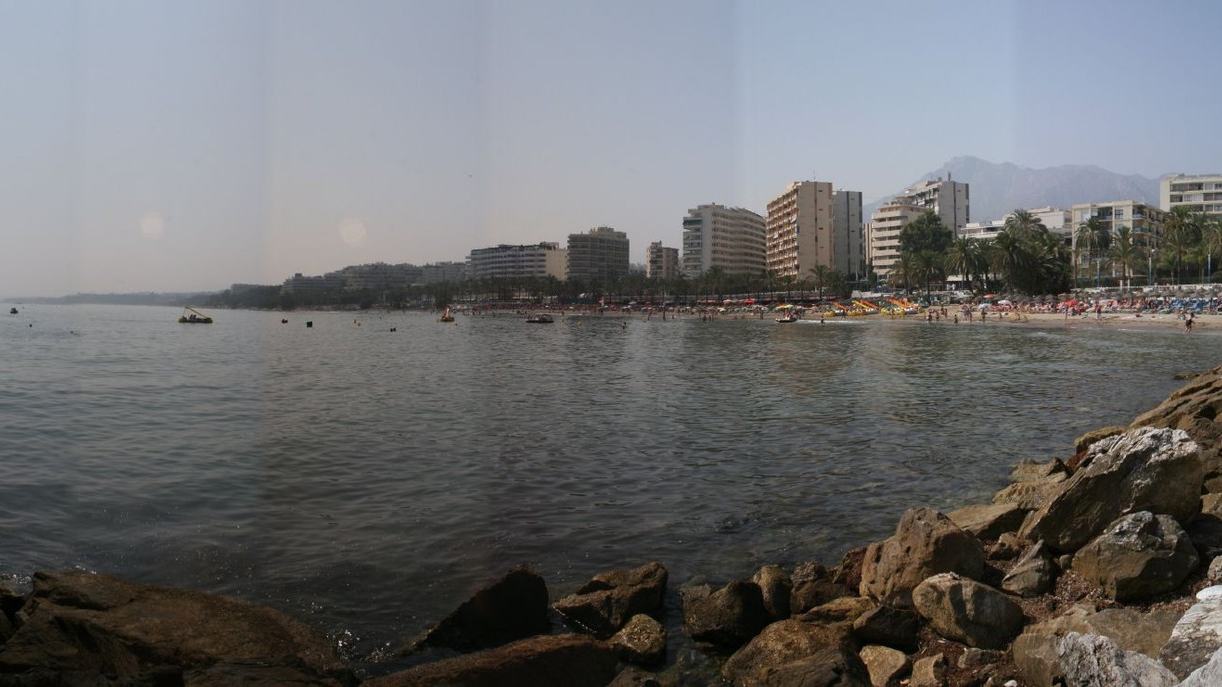
Photograph: bongo vongo / Wikimedia Commons, CC BY-SA 2.0; Marbella coastline, contextual photograph rather than a marina berth. Image resized for web. Original photograph and creator; Creative Commons licence.

Primary source: Puerto Banús Marina / Marbella Tourism. Opening hours, rules, berthing and visitor arrangements should always be reconfirmed with the responsible local authorities.