In Vienna's historic centre, Rosewood offers private house-style accommodation, elevated dining and wellness in a setting shaped by the city's artistic and architectural identity.
A historic address in central Vienna
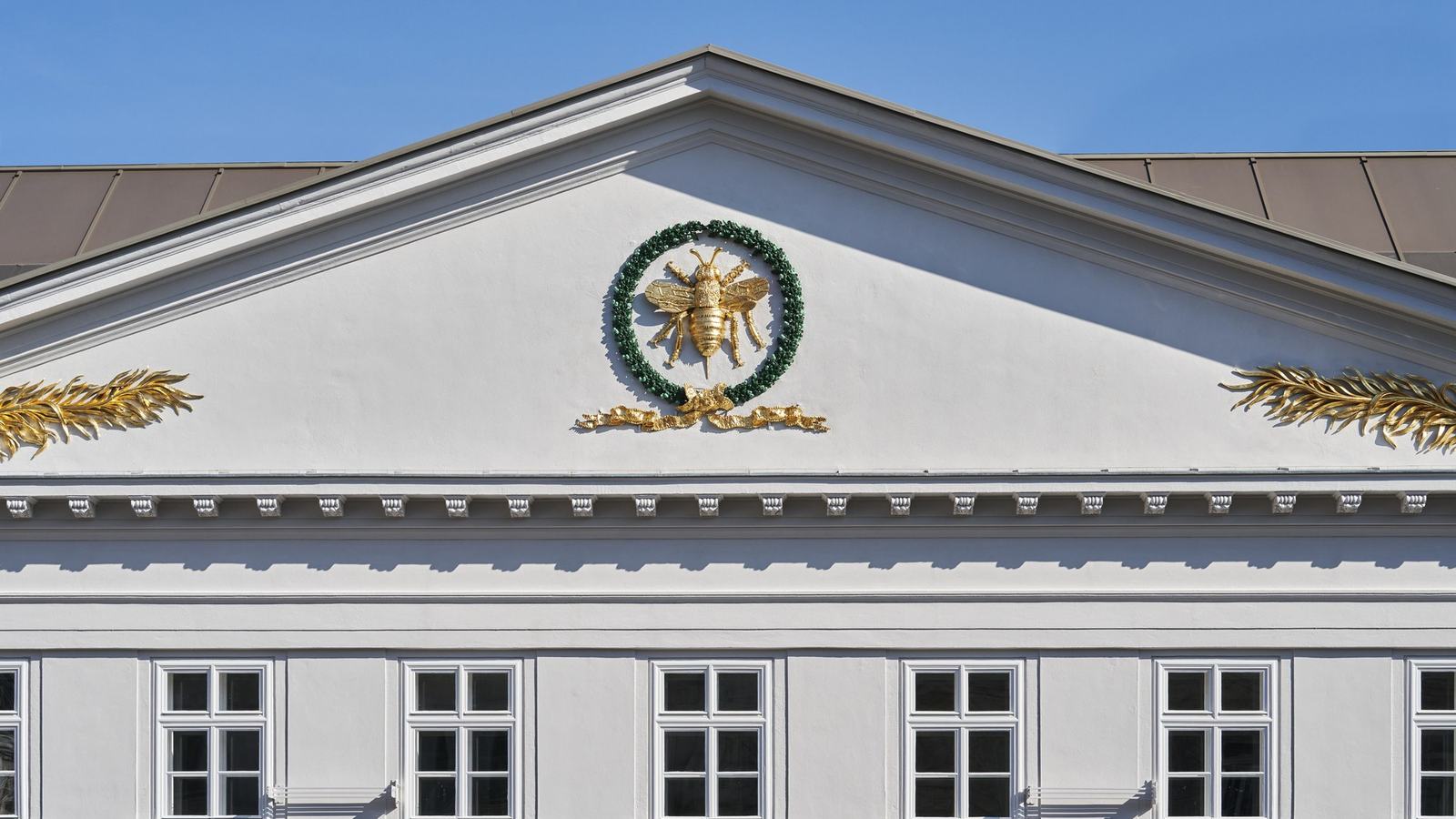
Rosewood Vienna occupies a distinguished setting near Petersplatz, giving guests immediate access to one of Europe's great historic city centres. The property draws on the architectural character of the Austrian capital while presenting itself as a contemporary private address, balancing grand facades with interiors that feel quietly residential. That is a useful approach for travellers seeking cultural depth without sacrificing the comforts of a carefully run modern hotel.
The surrounding streets reward slow exploration, from churches and ornate shopfronts to intimate cafés, galleries and musical landmarks. A stay can be organised around a concert or a private museum visit, but the pleasure of Vienna often lies in discovering an unexpected courtyard or walking through an older district without a schedule. The hotel's central position makes such moments unusually accessible.
Rosewood's emphasis on heritage and craftsmanship fits a city where design disciplines have long overlapped, from architecture and furniture to music and the decorative arts. Guests interested in these connections can treat the hotel as a starting point for a cultural itinerary rather than merely an elegant place to sleep. The sense of location is strengthened when the surroundings are allowed to shape the visit.
Owners spending much of the year aboard a yacht may appreciate the contrast between life at sea and a city whose pleasures are concentrated on land. Vienna's great performances, collections and restaurants offer a different form of access to exceptional experiences. The most successful transition is to retain the independence and privacy of yacht life while using the hotel's local knowledge to reach places that require careful arrangements.
Houses rather than conventional suites
Rosewood Vienna offers a number of particularly private accommodation configurations, including signature houses that feel more like temporary residences than traditional hotel suites. The Royal Hoffmann House is described as having a discreet separate entrance on Milchgasse, a potentially valuable feature for guests who prefer to manage arrivals away from a busy lobby. The precise arrangements should be discussed with the hotel before travel.
Other named spaces include Treichl House and Graben House, each associated with a distinct view and interpretation of Viennese residential elegance. These are useful distinctions for travellers who value a particular architectural outlook or need different arrangements for family members. Choosing well involves considering bedroom separation, entertaining space and the practicality of moving through the property.
The hotel also highlights suites with views towards the Hofburg, St Stephen's Cathedral and Peterskirche, making the city an active part of their design. Large windows and carefully positioned seating can turn an hour spent indoors into an opportunity to observe the surrounding architecture. A view, however, should never be treated as a guarantee without verifying the exact room category and its orientation.
Longer stays call for attention to the everyday details that often disappear from glossy descriptions. Guests should confirm kitchen or pantry provision, connecting rooms, service access and the degree of separation between living and sleeping areas. Those practical decisions can determine whether an impressive suite becomes a comfortable home base for an extended cultural visit.
Dining above the old town
Rosewood Vienna's upper-level dining offers a different perspective on the historic centre, with Neue Hoheit connecting contemporary Austrian cuisine to rooftops and views of the city. It is a setting that can work equally well for a composed dinner after a performance or a leisurely meal with friends. The architectural panorama becomes part of the meal without overwhelming the experience.
THE1835 takes a more intimate approach, pairing cocktails and small plates with an atmosphere the hotel describes as quietly speakeasy-like. The name references the year associated with the historic house, creating a link between the modern bar and the building's past. For travellers who enjoy a discreet evening, this can be more appealing than a highly publicised destination nightclub.
The hotel also points to private dining arrangements and experiences linked to Vienna's vineyards, where a thoughtful itinerary can introduce producers and local wine traditions. Such outings should be booked with realistic travel times and consideration for the season. The satisfaction comes from conversation and access rather than from accumulating an excessive number of stops.
Vienna has an international culinary profile, but the most memorable meals often retain a local sense of scale and hospitality. Choosing a balance of hotel venues and independent neighbourhood restaurants makes it possible to experience contrasting sides of the city. The concierge can advise on current openings, private rooms and the suitability of each address for the group's preferences.
Wellness and a considered itinerary
Asaya Spa provides a quieter counterpoint to Rosewood Vienna's social and cultural offerings, allowing guests to recover between long walks, performances and evening engagements. The hotel positions its wellness services as an integrated part of the stay rather than an occasional indulgence. That approach is especially welcome during winter visits, when the rhythm of a city holiday can become surprisingly demanding.
The hotel's curated experiences also include arts-oriented city exploration and introductions to regional wine culture. Travellers may wish to combine Vienna with other Austrian destinations, though a successful journey depends on leaving enough time in each place. A route that moves too quickly between famous addresses can sacrifice the very quality of attention that made the trip worthwhile.
For guests travelling with family, the most sensible programme often includes both shared appointments and individual time. One person may prefer a morning at a museum while another enjoys the spa, with everyone gathering for a concert or dinner later in the day. Accommodation that supports that flexibility is a genuine advantage over a conventional tightly scheduled group tour.
Rosewood Vienna succeeds as an idea when the property is treated as a private residence within a living cultural landscape. Its houses and suites provide discretion, while the rooftops, restaurants and surrounding streets keep the city close at hand. For travellers who value both retreat and discovery, that combination is more enduring than any single dramatic view.