An expedition-grade practical guide to authorised Sable Island visits from private yachts, covering written Parks Canada permission, offshore anchoring, VHF contact, surf landings and protected wildlife.
An Atlantic island that asks a different question of the superyacht
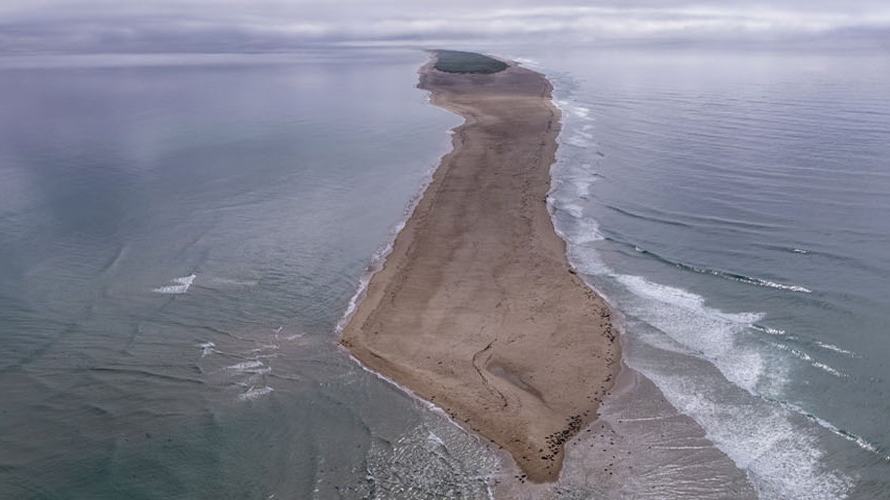
A remote landfall can be the most memorable point of a North Atlantic voyage, but Sable Island is not a destination where a yacht simply drops anchor and sends guests to a beach club. The narrow, shifting crescent of sand lies far offshore from Nova Scotia and is protected as Sable Island National Park Reserve. Its appeal is the elemental meeting of dunes, rolling surf, seabirds, grey seals and free-ranging horses, all of it shaped by an ocean that gives visiting crews few concessions.
For a superyacht considering this unusual expedition, the first task is not choosing a beach picnic. It is understanding that Parks Canada controls entry, that an advance written approval is essential for a private vessel, and that a calm landing cannot be guaranteed. The island's natural drama is precisely why a carefully managed, low-impact visit can matter more than an elaborate guest programme.
Written permission is a prerequisite, not a last-minute formality
Parks Canada says that visitors must either travel with a licensed operator or obtain its permission before coming ashore. A privately operated yacht must submit the official private-vessel visitor request and receive written authorization with its conditions before treating the visit as approved. The authority's visitor request instructions distinguish an ordinary private trip from a commercial venture; a commercial operator is directed to contact the Visitor Experience Coordinator, rather than treating the private form as a substitute for commercial approval.
A permission request is only the beginning of the operating plan. The captain should communicate intended dates, crew and guest numbers, method of transfer and practical contingencies to the park coordinator. An authorization should be read alongside the current landing instructions and any individual conditions received from the park. No itinerary, charter brochure or previous yacht visit can stand in for the actual permission applicable to this vessel and these people.
The visiting window is weather dependent
The Parks Canada private-vessel registration page describes visitor opportunities on selected days from late May into early November, while the park's general public guidance emphasises a more limited seasonal visitor programme. This variation is a strong reason to confirm the exact date directly with the authority rather than announcing that every day in a broad season is open. Sea conditions can require changes even after a date has been arranged.
Superyacht crews can manage many things onboard, but cannot change the swell breaking along an exposed sand beach. A responsible cruise plan needs a weather window for both arrival and departure, enough fuel and sea-room for a cancelled landing, and no promise to guests that an offshore arrival necessarily includes stepping onto the sand. Having an inviting itinerary elsewhere in Nova Scotia is useful if the island cannot receive visitors.
There is no marina, wharf or visitor mooring
The official Parks Canada landing guidance is explicit: Sable Island has no wharf facilities and no mooring buoys. Larger yachts must remain offshore while a suitable small craft makes the passage through the surf, and permission to enter the park does not turn its beach into a conventional shore facility. This is an expedition-style operation requiring tender handling and landing experience, rather than a standard superyacht marina call.
Parks Canada's specific navigation directions place the offshore anchorage on the northern side, opposite the Main Station, around longitude 60.01° west. The authority warns about submerged sandbars and indicates that roughly 500 metres offshore is usually an appropriate separation, while acknowledging conditions differ. That figure is guidance, not a substitute for the bridge team's independent hydrographic, depth, weather, holding-ground and navigational assessment on arrival.
Make radio contact before closing the island
Within ten nautical miles, the vessel in charge is instructed to contact Sable Island using marine VHF Channel 8 or 16, confirm its safe approach and receive any special instructions. The yacht should repeat contact once anchored. For the actual tender landing, Parks Canada asks the small-craft party to maintain VHF communications with the beach team on Channel 8. These steps form a continuous communication plan rather than separate ceremonial radio calls.
A chief officer should brief the tender crew on the latest instruction from the island, the selected landing area, the wave pattern and a clear abort threshold. The passenger manifest, tender capacity, lifejackets and any medical or mobility restrictions belong in the same briefing. It is prudent to keep a second seaworthy means of transfer available on the yacht, although weather severe enough to defeat one safe landing may make all landings inappropriate.
A surf landing cannot be improvised
Visitors are told not to attempt a landing before Parks Canada personnel are ready to meet the arriving party and provide the orientation and safety briefing. Landing passengers must wear lifejackets; tenders must stay within the manufacturer's approved passenger capacity. This is an important distinction for owners familiar with sheltered tenders that move between a mothership and a dock: operating through Atlantic surf may require different equipment, experience and judgement.
On a large yacht, the most efficient transfer process may still be the one that carries fewer people at a time. Crew should avoid hurrying a sequence of landings to fit a lunch reservation or departure slot. Rising wind, a change in swell direction or breaking waves at the chosen beach may require abandoning the whole attempt, however attractive the island looks through binoculars. Parks Canada cautions that its own emergency and marine-rescue capabilities on the island are limited.
Plan for a wilderness walk, not resort infrastructure
Sable Island is explored on foot through a living landscape of loose sand, uneven ground and changing dunes. Parks Canada's trip-preparation material says there are no formal trails and no cellular reception. Visitors should be ready for several hours of walking, with conditions very different from a groomed trail or an organised resort excursion. Guests who would struggle on unstable sand deserve an honest assessment before being put into a tender.
The yacht can provide weather-appropriate layers, footwear, drinking water, first-aid resources and a clear time-and-distance limit, but offshore logistical support is not equivalent to immediate medical access. Visitors should also be briefed about unstable slopes, hidden wet ground, shifting channels and marine debris. The crew must follow the Parks Canada welcome briefing and remain within any area or route the authority authorises for that visit.
The horses are wild, protected and not for interaction
Sable Island's horses are among its great natural attractions, and Parks Canada regards them as a protected naturalised part of the island ecosystem. They are neither domestic riding animals nor an attraction to approach for close-up photographs. People must remain at least 20 metres away and must never feed, touch or otherwise interfere with them. A genuine wildlife encounter should be enjoyed from an appropriate distance with a lens selected for that purpose.
The park also has biosecurity requirements: footwear needs to be cleaned and disinfected in advance, clothing checked for seeds or insects, and riding or horse-care equipment from a horse property is not permitted. For a yacht carrying luggage, provisions and sporting equipment from several destinations, those requirements call for a deliberate pre-landing screening process. They are part of conservation practice, not an inconvenience to overlook once the beach is in sight.
Seals, dunes and the appeal of leaving little trace
Beyond the horses, the island is an important habitat for grey seals and seabirds. The restless dune system, fragile plants and coastal wildlife make the landscape spectacular to photograph, yet vulnerable to disturbance by a large visiting party. Parks Canada highlights the ecological value of the reserve and the research taking place there. It follows that successful guest experiences should be framed around observation, landscape interpretation and patient photography, not access to wildlife at any cost.
A quieter visiting style suits the yacht as well as the island. Shore parties can limit unnecessary equipment, follow staff direction, keep clear of sensitive animals and remove what they bring ashore. The beach is not a venue for improvised vehicle use, private installations, drone flying or staged events merely because the mothership can support those activities. Any specialised photography or organised activity should be cleared against the park's separate permit rules.
A captain's practical decision sequence
Begin by checking the official private-vessel application and speaking with the Visitor Experience Coordinator about the intended visit. Confirm the permission category, likely visitor date, party size and conditions. Next, assess the vessel's route from Nova Scotia, prevailing weather and sea state, anchorage suitability, tender capability and communications. Finally, ensure guests know in advance that they may experience the island only from offshore if the surf or the park authority requires it.
As the ship nears Sable Island, the bridge should make the required VHF contact, follow the current anchor and approach instruction, and wait for explicit agreement on the landing. A tender captain should be empowered to cancel the transfer without commercial or social pressure. If everyone remains onboard, the yacht can still offer a remarkable perspective on this isolated Atlantic place. If the landing goes ahead, its success is measured by safe return and minimal impact on the island.
Official information to check before departure
Parks Canada's private-vessel travel requirements, safe-landing instructions, visitor request form and horse-protection guidance are the controlling starting points for a visit. Captains should review them again when their voyage is imminent, since operational restrictions and landing conditions can change. A well-run superyacht call here is a rare privilege; it is never an automatic entitlement.