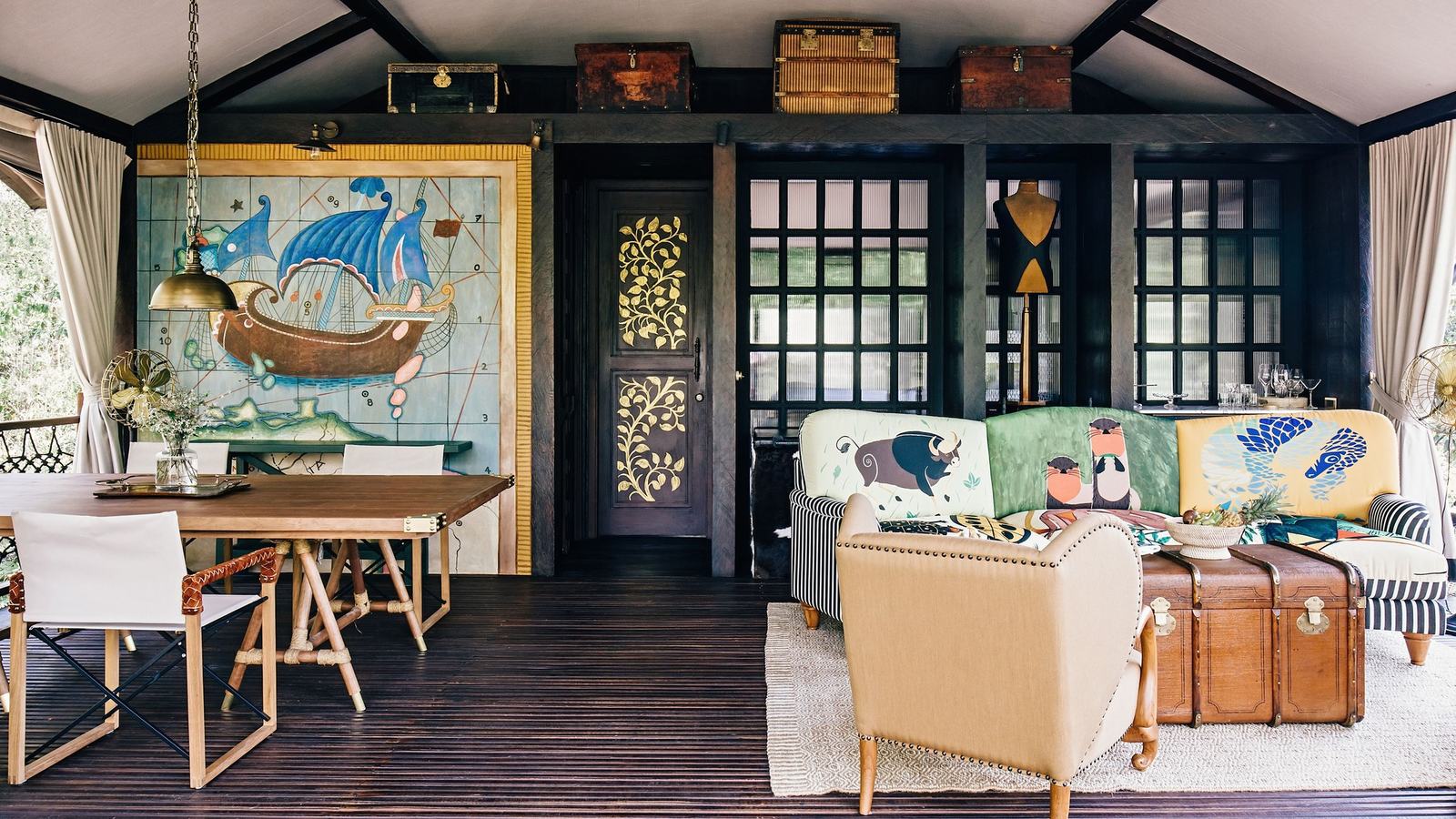
In Cambodia’s Cardamom forest, Shinta Mani Wild places 15 highly individual riverside tents within a hospitality experience linked to ranger patrols and conservation.
A different definition of a wilderness retreat
The most distinctive remote camps have a point of view beyond scenic isolation. Shinta Mani Wild in Cambodia is one of them, placing carefully designed guest accommodation within the Cardamom rainforest and connecting the visitor experience to protection of its surrounding habitat. The setting is made of rivers, trees and an intricate living environment rather than the lawns and beaches familiar from conventional luxury resorts.
The official camp describes a small collection of 15 tents along the river. That limited scale is fundamental to the atmosphere: each location is intended to preserve privacy, while shared experiences draw attention to the wider forest. Guests arrive for comfort, but the landscape determines the memorable moments. This is a destination for people who welcome a measure of unpredictability.
Bill Bensley’s design vocabulary
Architect and designer Bill Bensley conceived the tents with a theatrical sense of place. These are not lightweight camping shelters; they are secluded, air-conditioned residences on stilts, with substantial outdoor living areas and baths positioned to enjoy the sound and movement of the surrounding jungle. The camp says each tent location was considered over several years to limit unnecessary intervention in the river valley.
The design experience is worth considering alongside the practical realities of a remote forest. Paths and approaches may not resemble a city hotel, and travellers should discuss mobility requirements and the suitability of individual tents. The strongest architecture here does not pretend to separate guests from nature; it creates enough comfort to make that proximity enjoyable.
An arrival with unexpected theatre
Shinta Mani Wild is known for an adventurous arrival that may include a zipline, subject to the guest’s suitability and the camp’s operating arrangements. It is a memorable alternative to an ordinary reception desk, but no one should regard the experience as mandatory. The camp also assists with transfers from regional gateways such as Phnom Penh and Sihanoukville, an essential part of reaching this remote location.
Advance communication matters particularly when guests have health concerns, heavy luggage or a dislike of heights. Transfers, road conditions and the appropriate arrival procedure should be confirmed directly. An imaginative welcome is most successful when everyone understands the options and reaches the camp relaxed rather than exhausted.
Days shaped by water and forest
The activities are not confined to a conventional excursion timetable. Guests can consider kayaking, river journeys, walks and time beside waterfalls. The official programme also describes expedition boats exploring waterways and mangrove-lined channels when seasonal conditions permit. Each outing reveals different elements of the landscape, from birdlife to the changing relationship between river, forest and nearby communities.
Water levels, weather and physical ability affect what is appropriate on any particular day. It makes sense to share interests with the camp team rather than assume every advertised experience is always available. Photography enthusiasts may find slower, guided outings particularly rewarding; conservation-sensitive places require restraint, patience and respect for the instructions of local staff.
Dining supplied by the surrounding land
Food is a central expression of the camp’s character. Shinta Mani Wild describes chefs using ingredients gathered from the forest and produce from its gardens to create meals that respond to what is available. Dining can become part of understanding the environment rather than an interruption between activities. That is especially compelling for visitors accustomed to urban restaurants where provenance can feel remote and abstract.
The same proximity to nature creates practical considerations. Guests with allergies or dietary restrictions should communicate those well before arrival, and visitors should avoid treating foraged ingredients as a guaranteed list of exotic dishes. Seasonal supply and safe handling take precedence over culinary theatre. A thoughtful chef can usually tell a stronger story with a few excellent local ingredients than with a forced menu.
The role of the Bensley Butler
Shinta Mani Wild uses the title Bensley Butler for hosts who help shape the stay, from practical arrangements to guiding experiences. In a small remote camp, such continuity can make a meaningful difference. Guests may want an active morning followed by quiet hours at the tent, or they may prefer a journey focused on birds, the river or the region’s broader conservation story.
The arrangement works best when the guest provides an honest description of interests and limits. A butler cannot change the weather or the behaviour of wildlife, but can help coordinate the most suitable options. Those travelling as a couple should also feel free to follow separate interests; shared accommodation does not require a rigidly shared itinerary.
Conservation with a visible local dimension
The camp supports work with Wildlife Alliance and describes opportunities for guests to learn about anti-poaching patrols. The Cardamom rainforest is habitat for vulnerable wildlife, and illegal logging and trapping remain serious threats. Ranger involvement is therefore more than a marketing theme. For visitors who choose to participate, it can offer a demanding perspective on the effort required to protect a landscape.
Such activities must be approached with care. Patrol conditions can be physically difficult and operationally sensitive, and guests are not professional rangers. Participation, duration and safety instructions should be discussed with the camp; wildlife sightings or enforcement incidents cannot be guaranteed. The most useful outcome is an informed appreciation of conservation work, not a staged adventure.
Wellbeing and the value of slowing down
A massage beside a waterfall, a river-based treatment or an afternoon spent reading in a tent can be just as central to a Shinta Mani Wild stay as an expedition. The official programme emphasises wellbeing rooted in the natural environment, including treatments using botanical themes. This allows the camp to appeal to travellers who appreciate unusual design and scenery but do not intend to spend every day on physically demanding activities.
The destination rewards a sufficient length of stay to experience both its quiet and active sides. Guests should ask about seasonal conditions, transfer timings and the availability of particular programmes before making commitments. What makes Shinta Mani Wild important is not a single photograph or dramatic arrival, but the possibility of connecting refined hospitality to a forest worth preserving.