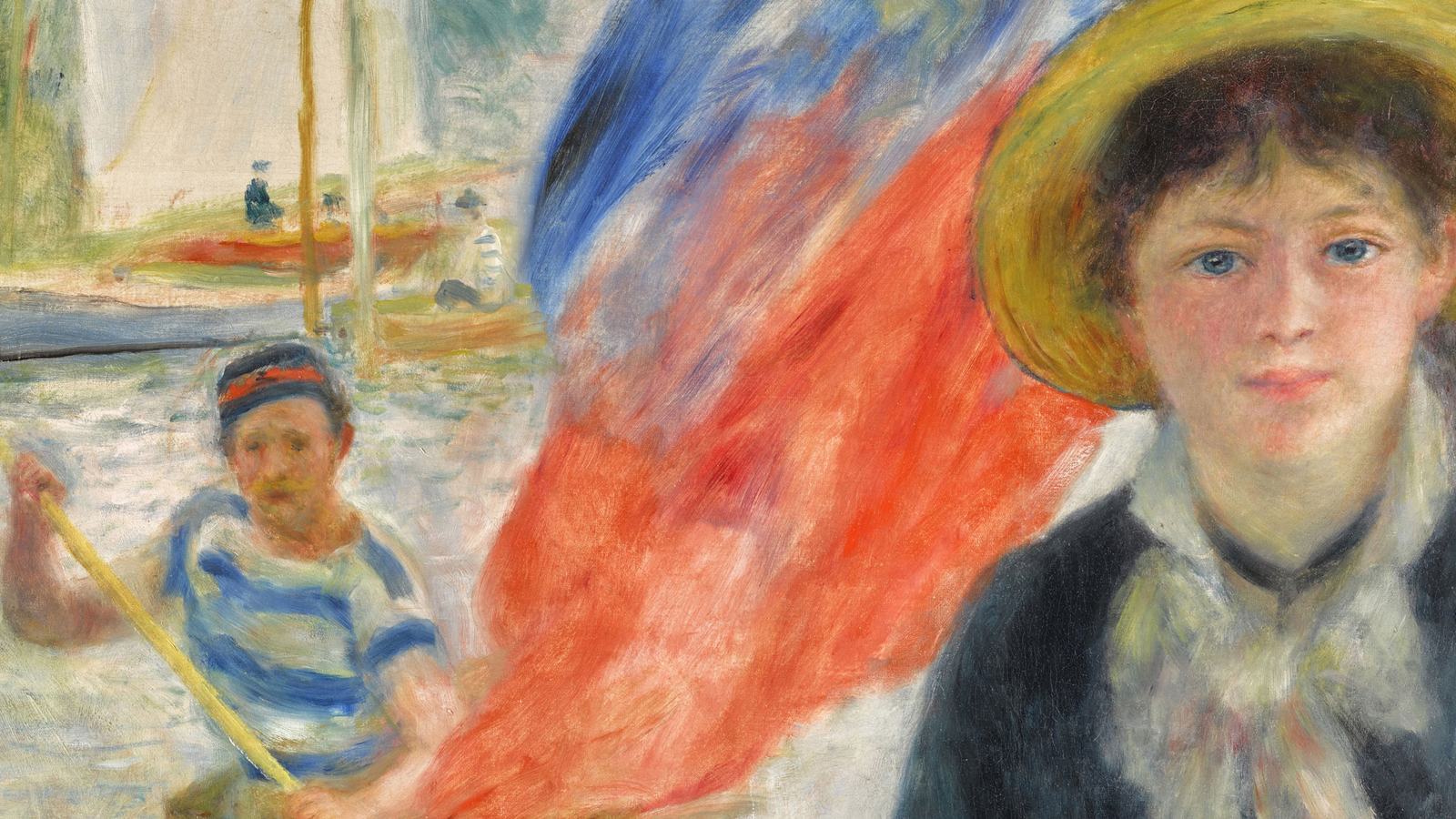
Sotheby’s will offer the Blaquier-Arrieta Collection in New York, bringing a tightly held group of Impressionist and Post-Impressionist works back into public view.
Sotheby’s is preparing the Blaquier-Arrieta Collection for an evening auction in New York on 18 November 2026, presenting a group it describes as closer to a private museum than a conventional collection. The sale moves from early Impressionism through Post-Impressionism to Fauvism, giving collectors a rare chance to see major works by artists who reshaped modern painting offered together.
The collection is unusually concentrated in major names
Highlights include Vincent van Gogh’s Châtaigniers en fleurs, Paul Cézanne’s Arlequin, Pierre-Auguste Renoir’s En Canot and a major Paris street scene by Camille Pissarro. The group is notable not simply for famous signatures but for how closely the works trace a period of rapid change in modern art.
That coherence gives the sale a different character from a broad owner collection. Buyers and viewers can follow a conversation between painters, techniques and generations, making the auction function almost like a temporary exhibition before the works separate again into different hands.
Long private ownership adds to the sense of rediscovery
Sotheby’s describes the collection as one of the finest remaining in private hands, with many works rarely encountered outside museum settings. That history matters because scarcity in the art market is often about availability rather than absolute rarity: a known masterpiece may remain inaccessible for decades.
When such works return, collectors are evaluating more than colour, scale or signature. Provenance, time away from the market and the reputation of the collection itself become part of the object’s story, influencing how it is understood even before bidding begins.
The sale spans the birth of modern painting
The collection begins with experiments associated with Impressionism in the early 1870s, moves through the more radical approaches of Post-Impressionism and reaches toward Fauvism. That arc compresses a major shift in Western painting into a small group of privately held works.
For a collector building across periods, the sale offers the chance to see relationships that are often separated across museum rooms or auction seasons. Even without bidding, the preview can be valuable because important works become temporarily available for close comparison in one place.
Private collecting still shapes public art history
Major collections often spend much of their life in private residences, yachts, offices or storage before eventually returning to the public market. When they do, auction houses effectively become short-term museums, giving a wider audience access before ownership changes again.
The Blaquier-Arrieta sale captures that cycle particularly clearly. It reminds collectors that stewardship can be as significant as acquisition, because the way works are assembled, preserved and eventually dispersed helps determine how later generations encounter them.
Official sources: www.sothebys.com.
Source
www.sothebys.com