Sotheby's is offering a 27-lot Geneva Masterpiece Collection of exceptional Burgundy and Bordeaux wines from 4 to 18 November 2026, including Domaine de la Romanée-Conti, Château Haut-Brion and Pétrus.
A Geneva wine catalogue built around two great regions
Sotheby's has opened The Masterpiece Collection: The Geneva Chapter, an online wine sale dated 4 to 18 November 2026. The auction house's published catalogue lists 27 lots, concentrating on historic Burgundy and Bordeaux rather than attempting a general survey of the wine market. Among the names are Domaine de la Romanée-Conti, Château Haut-Brion, Château Lafite, Château Mouton Rothschild, Château Latour, Château Cheval Blanc and Pétrus. The selection offers a useful snapshot of what highly focused cellar collecting looks like when decades, formats and provenance enter the same conversation.
The catalogue is an offer, not a report of completed purchases. Sotheby's says individual lots close at one-minute intervals, with closing times subject to change. At the time of writing on 7 November, it is therefore inaccurate to attach a final hammer price or a buyer identity to any listed bottle. For owners who entertain at sea or manage significant collections ashore, the interest lies in the combination of wines offered and the questions those individual lots raise. Scarcity alone is not enough to establish the condition, drinkability or investment performance of an older wine.
Domaine de la Romanée-Conti spans three decades
The first four positions in the auction catalogue come from Domaine de la Romanée-Conti. Three are Romanée-Saint-Vivant from the 1978, 1985 and 1990 vintages; the fourth is La Tâche 1995. The published descriptions distinguish not only the year but the packaging. Romanée-Saint-Vivant 1978 is offered as six standard-size bottles, 1985 as twelve bottles and 1990 in a single large-format vessel described by the catalogue as a Methuselah. La Tâche 1995 is listed in two three-litre-format bottles. These are distinct bidding propositions even though all come from one Burgundy producer.
Collectors frequently discuss vintages as if a famous year were a complete description of what is in the glass. It is only one part of the story. The original bottling, cork integrity, fill level, storage record, transportation history and continuity of ownership can matter greatly, particularly for a bottle whose vintage predates the owner's yacht. Differences in bottle size also affect handling and serving logistics. A large-format Burgundy needs appropriate storage, careful movement and the right number of guests; it should not be purchased simply because a catalogue image has exceptional visual impact.
Bordeaux makes the collection a study in historic formats
The Bordeaux section moves from Château Lafite 1959 in a large format to repeated selections of Mouton Rothschild 1970 and an especially prominent group from Château Haut-Brion 1982. Sotheby's identifies three separate twelve-bottle lots of Mouton Rothschild 1970. The Haut-Brion 1982 entries encompass several six-magnum lots, a two-magnum lot, three-double-magnum offerings and a five-litre-format bottle. The catalogue also includes two six-magnum lots of Haut-Brion 1990, offering a comparison between two much-discussed decades of the same property.
It would be misleading to total these entries into a single supposed cellar size without checking each lot's complete description and any catalogue updates. The point is more interesting than a crude count: the auction places the same château and vintage in several formats, asking bidders to value the physical object as well as the wine. Bottle size influences presentation at dinner and the practicalities of storage, service and onward transport. Different lots may also have different condition reports, original packaging or provenance. Those details belong to individual catalogue pages and should be assessed separately.
From 1945 Pommard to 1985 Pétrus
Other listed wines broaden the chronological and geographical range. A Pommard 1945 from Morin offers an example of a post-war Burgundy vintage presented in eight standard bottles. Bordeaux lots include Château Lynch-Bages 1982 in double-magnum format, Château Latour 1983 in a magnum and Château Cheval Blanc 1982 as ten standard bottles. The final two entries are Pétrus 1985, each listed in an imperial-sized vessel. These are catalogue descriptions, not guarantees about bottle performance or even the suitability of a wine for immediate opening.
An older wine can be exceptional, fragile, disappointing or something in between. Ageing trajectories differ across estates, grape varieties, bottlings and storage conditions, and a well-known label does not abolish risk. The practical collector's first step is to read the condition report and provenance notes for the specific lot, including any description of labels, levels or capsules. The second is to consider the intended use. A bottle that is to be shared in a small private tasting creates a different purchasing decision from a large format reserved for a celebration or a collection assembled with eventual resale in mind.
What the auction catalogue establishes and what it cannot
Sotheby's official site confirms the sale name, the 4–18 November dates, 27 current catalogue results and the stated wine descriptions. The firm's buyer information explains that an auction estimate is an expert's pre-sale range, not a guaranteed transaction price. A final invoice can include charges beyond the price bid, and import duties or taxes may apply depending on the buyer and destination. Anyone following the sale should consult the current conditions of business and the individual lots rather than use headline estimates as a proxy for the total cost of ownership.
The online catalogue can change before a lot closes. A withdrawal, amended condition note, changed estimate or revised closing time would alter the information available to a bidder. A responsible report should avoid implying that a lot has sold simply because bidding is displayed, and should not promote prices or investment returns without verified results. The seller's identity may also remain confidential. For that reason this preview focuses on public catalogue facts and the practical questions collectors can ask, not predictions about record prices or unsupported stories about the provenance of individual bottles.
The practical difference between a cellar and a yacht wine list
The superyacht connection is one of hospitality and logistics, rather than any suggestion that the Geneva collection was assembled specifically for yacht owners. A permanent cellar ashore can be designed around stable temperature, humidity, security and long-term inventory control. A working yacht faces vibration, movement, limited secured storage space, variations in ambient conditions and the need to protect bottles during tender transfers and provisioning. Even a beautifully fitted wine cabinet is a piece of operating equipment that requires monitoring and planned maintenance rather than simply an impressive backdrop to a dining room.
A sensible purchasing decision starts with the occasion. If a collector wants to serve a rare mature Bordeaux on board, the captain, chief steward and chef need adequate notice to organise transport, presentation and food. Temperature control must be maintained from the storage location to the yacht, while decanting and serving decisions should take account of the bottle's age and actual condition. There may be little benefit in moving an irreplaceable large format through several ports for a dinner that could just as easily take place ashore. Planning is part of preserving the experience.
Questions for collectors before the bidding window closes
The most useful questions are specific. What are the exact bottle dimensions and numbers in the lot? What condition issues has Sotheby's disclosed? Is original packaging included, and does the published record identify storage or inspection history? What are the terms for collection, temperature-controlled shipment, insurance and any cross-border clearance? Is the intended destination permitted to receive wine under its import rules? Those matters can affect whether a theoretical opportunity becomes a straightforward purchase. Buyers should obtain written clarification directly from the auction house before committing to an expensive bid.
Collectors who already own examples of the same estate and vintage may wish to compare lot descriptions against their own cellar records. A new bottle can fill a gap or provide a different serving format, but catalogue similarity does not prove that the contents have identical histories. It is also wise to agree an all-in expenditure ceiling in advance, factoring in premium, taxes and transport rather than stopping at the maximum bid. Sotheby's information is the appropriate place to check the applicable fees, and a specialist inspection or independent adviser may be useful for unusually valuable or difficult-to-replace purchases.
An unusually concentrated November offering
Twenty-seven lots are enough to give the sale a strong identity without requiring an encyclopaedic catalogue. Burgundy occupies its opening positions, while Bordeaux provides the majority of the subsequent entries, and repeated vintages invite comparisons of format and individual lot condition. The Pommard 1945, Lafite 1959, Mouton Rothschild 1970, Haut-Brion 1982 and Pétrus 1985 illustrate how widely the ages of the bottles vary. No conclusion about the market's strength follows from a list of offerings alone. That would require verified transaction results and appropriate comparisons with other sales.
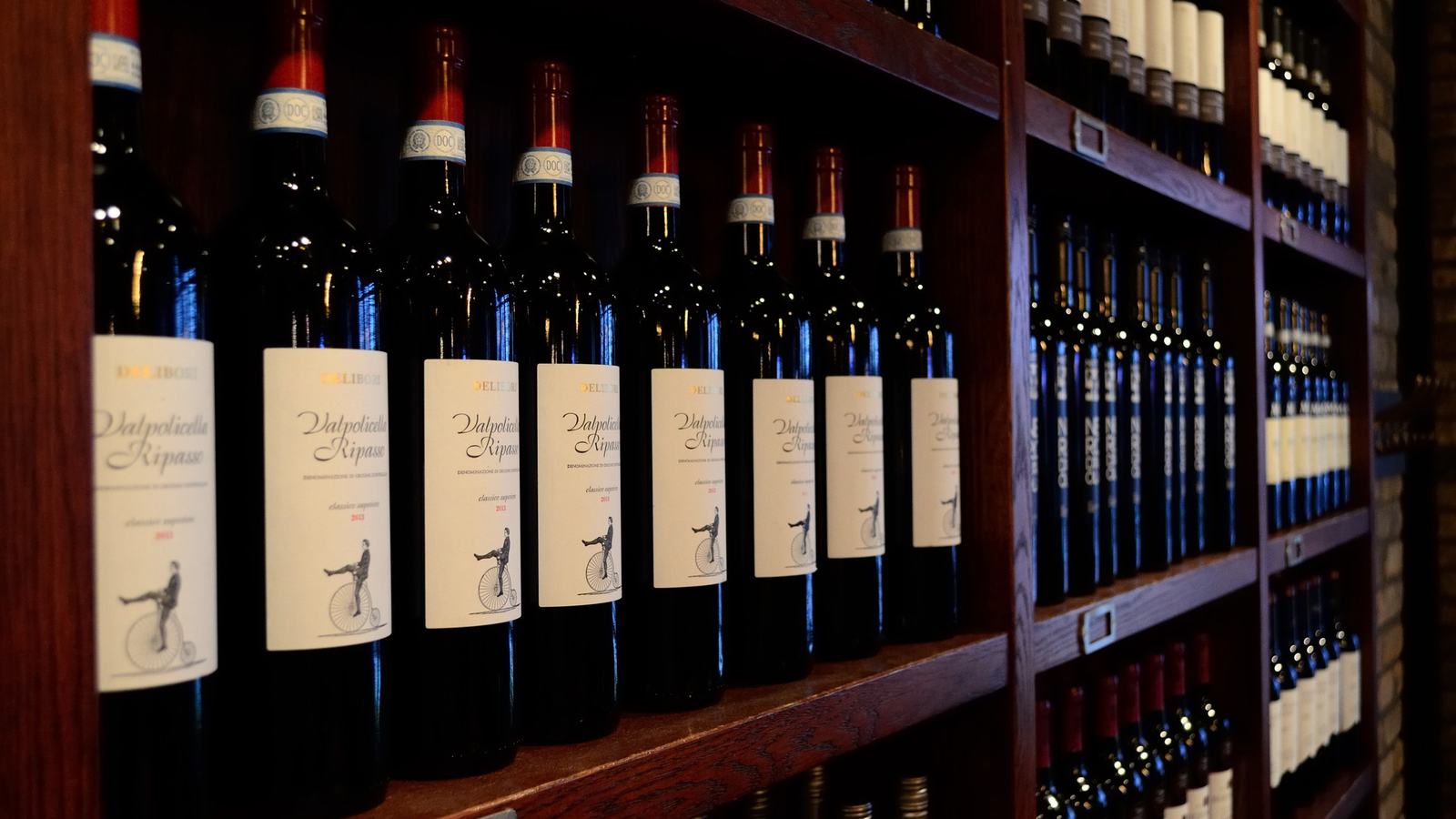
For readers of Superyacht Guide, the appeal is the cultural side of ownership: learning why a collection has been assembled, preparing a special dinner and respecting the work required to preserve vulnerable wines. Sotheby's official Geneva Masterpiece Collection page is the primary source for the live catalogue, bidding dates and lot details. The photograph accompanying this preview is a separate, 2015 Creative Commons Zero archive photograph of a wine collection by Raysonho; it does not depict these auction lots. That separation keeps the imagery illustrative and the reporting tied to verifiable material.
Primary source: Sotheby's The Masterpiece Collection: The Geneva Chapter, official auction catalogue, 4–18 November 2026, 27 listed lots when checked on 7 November. For estimates, premiums and the meaning of auction terms, see Sotheby's buyer information. No lot is described as sold here; catalogues and closing times may change.
Illustrative photograph: WineCollection.jpg by Raysonho @ Open Grid Scheduler / Wikimedia Commons, 2015, released under CC0 1.0. Resized for editorial use. This archive photograph does not depict the 27 auction lots.

Source
Sotheby's