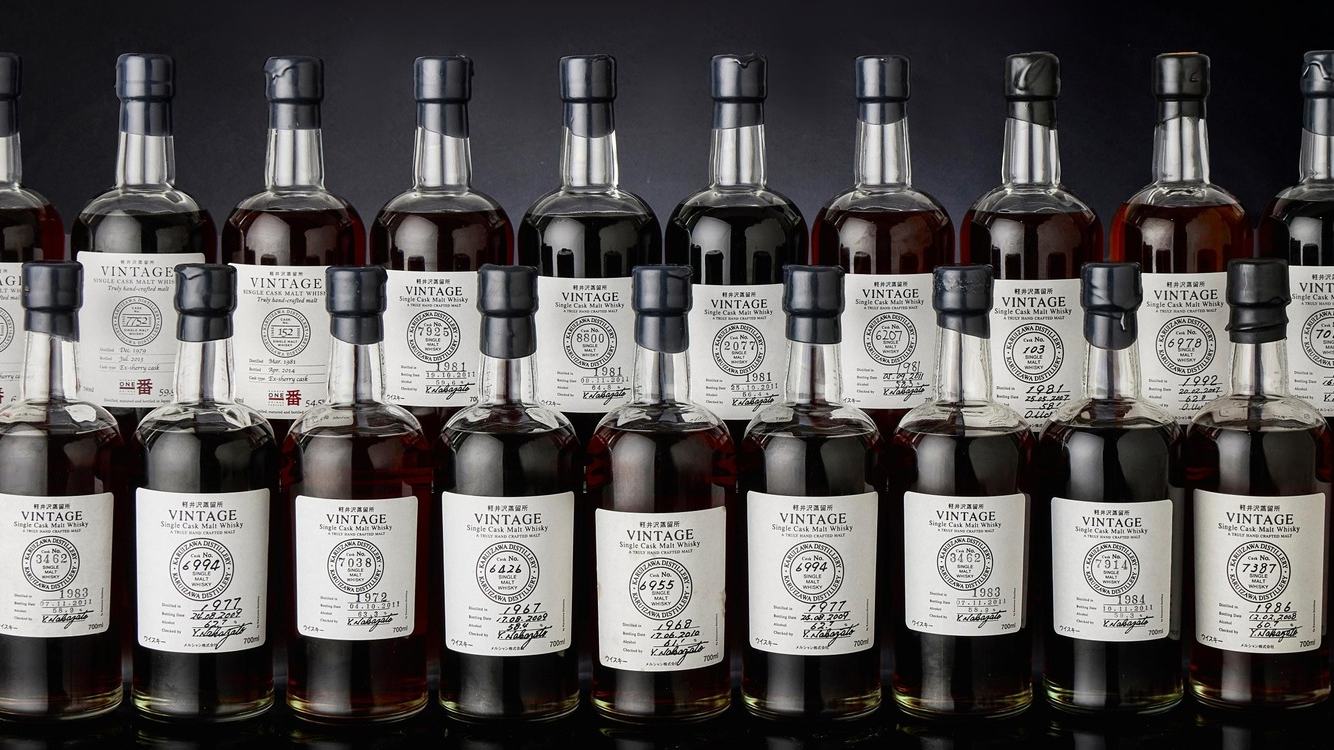
An October Sotheby's Hong Kong sale dedicated to premium Japanese whisky draws attention to the standards of provenance, custody and international transport.
Japanese whisky becomes the focus of a specialist auction
Sotheby's is preparing a dedicated Finest & Rarest Spirits: Premium Japanese Whisky Collection sale in Hong Kong, with bidding due to conclude on 28 October 2026. The auction house's published information places the event within its international wine and spirits programme and outlines the identification and settlement requirements applying to prospective buyers. The sale is still forthcoming, so its contents and results should not be presented as completed transactions.
For private collectors, Japanese whisky combines the characteristics of an agricultural and industrial product with the qualities of a cultural object. Distillery history, production methods, bottle condition and documented ownership all inform desirability. The auction's theme is clear, but individual labels, vintages and estimates must be verified against each lot listing rather than assumed from the event name.
A bottle's custody can matter as much as its reputation
The reputation of a Japanese distillery may attract initial interest, yet high-value bottles can differ considerably in their route to market. Fill level, closure condition, label integrity, bottle size and any original packaging should be inspected. Some sealed bottles have moved through several owners or international markets before appearing at auction, making traceable custody particularly important.
A buyer should ask about storage history and the auction house's inspection procedures, recognising that past temperature exposure or closure failure may be difficult to detect from an exterior photograph. Packaging can protect bottles but should not be treated as conclusive proof of authenticity. Well-documented provenance and an experienced independent adviser offer greater confidence than enthusiasm for a prestigious label alone.
Hong Kong imposes specific settlement considerations
Sotheby's sale conditions note that Hong Kong import taxes applicable to the consignments have been paid, but any duties, taxes and transport costs outside Hong Kong remain the buyer's responsibility. The auction house also warns that it cannot arrange international shipment of wine and spirits from its Hong Kong auctions. Some buyers may therefore need to make their own lawful collection and shipping arrangements.
That caveat is especially relevant to an owner based between several residences or travelling aboard a yacht. Import law, proof of age, insurance and appropriate packaging can vary significantly by destination. A winning bid does not authorise unrestricted carriage across borders, and arrangements should be made before bidding rather than improvised after settlement.
Private collecting is not the same as speculation
Exceptional spirits can be acquired for enjoyment, historical interest or a carefully assembled collection. Each motive suggests a different approach to purchasing and long-term storage. Someone intending to open a rare bottle may value drinking condition above perfect display packaging, while a collector focused on provenance may place more weight on original presentation and secure documentation.
Neither approach guarantees financial appreciation. Auction results fluctuate, and future demand can depend on wider tastes, market conditions and the availability of comparable bottles. The costs of safe storage, insurance and eventual resale should be included in any assessment of a high-value collection. Maintaining clear records of acquisition and movement also reduces confusion when bottles pass between family members or properties.
Preparing for the late-October sale
The public catalogue identifies the Hong Kong event as a specialist sale with an anticipated close on 28 October, alongside bidder identification requirements and the possibility of deposits for particular lots. Buyers should inspect the precise closing time shown in their own time zone and review all sale conditions. An online listing is an invitation to conduct due diligence, not proof that a particular bottle will be available at a given estimate.
For collectors already managing art, watches and rare automobiles, spirits require a different conservation mindset. Secure, stable storage and appropriate handling matter, but even good conditions do not transform a consumable object into a risk-free asset. The meaningful news is Sotheby's upcoming specialist Hong Kong sale and the opportunities and responsibilities it creates for informed bidders.
Source
Sotheby's