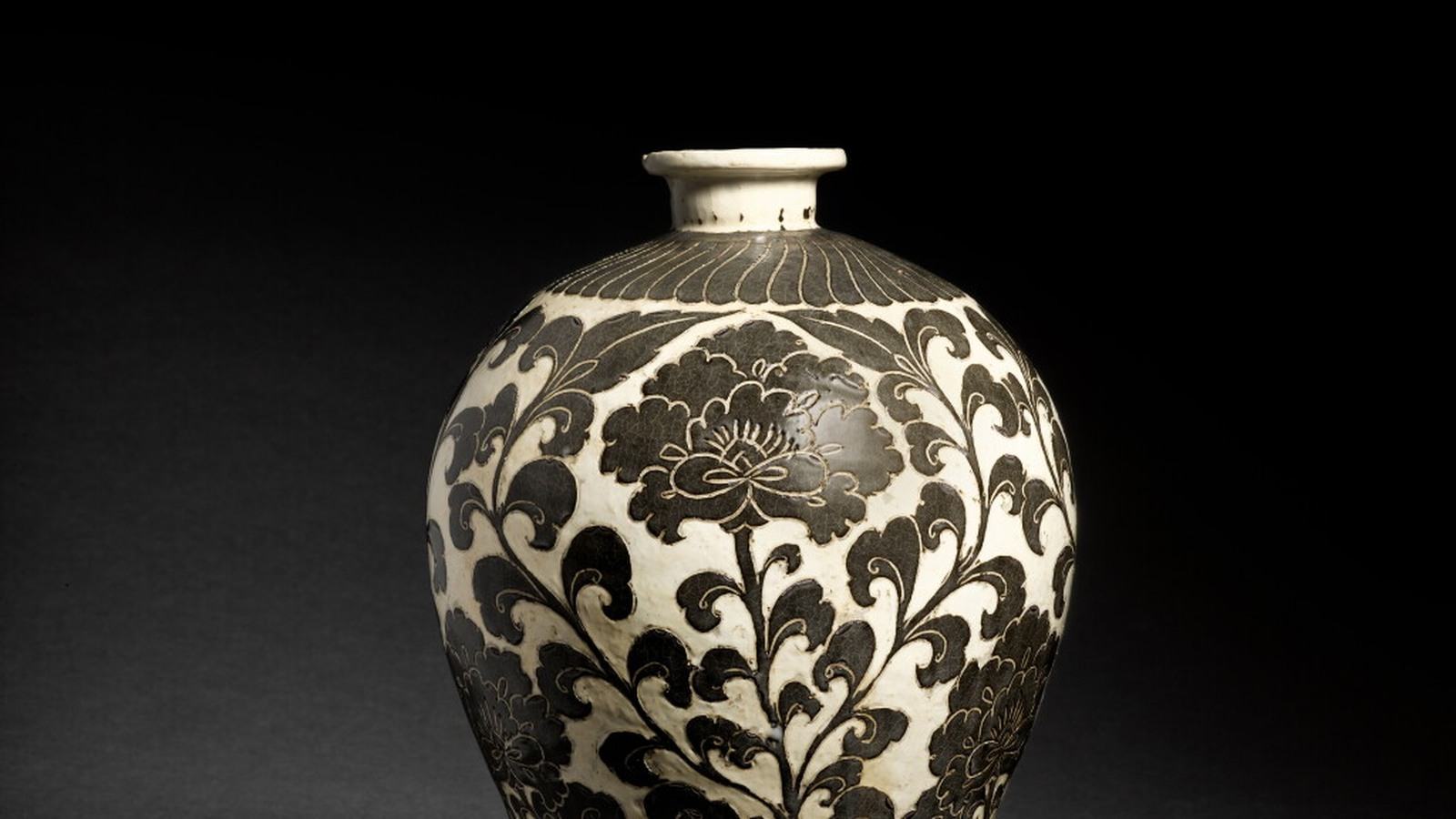
Sotheby's has scheduled a Chinese Art auction in London for 4 November 2026, offering collectors an opportunity to examine works associated with diverse periods and traditions of Chinese craftsmanship. The forthcoming sale adds another specialist category to the city's autumn pro
The announced sale and its significance
Sotheby's has scheduled a Chinese Art auction in London for 4 November 2026, offering collectors an opportunity to examine works associated with diverse periods and traditions of Chinese craftsmanship. The forthcoming sale adds another specialist category to the city's autumn programme, separate from its October modern-art auctions.
For collectors considering a significant purchase, the published material should be read in the context of the venue, sale dates and the exact works offered. A preview supplies useful facts but cannot substitute for a properly documented inspection or the auction conditions applicable to each lot.
Historical context and expert interpretation
Chinese art collecting covers ceramics, sculpture, jade, metalwork and other objects that cannot be valued through a single formula. The period, workshop, historical use and material characteristics of a specific piece determine which specialist questions need to be asked.
A specialist may identify meaningful differences in artistic technique, craftsmanship and the historical place of an object that are difficult to capture in a brief catalogue description. Good acquisitions begin by recognising those distinctions instead of assuming that a famous name establishes quality.
Materials, authenticity and condition
Ceramics can carry evidence in glaze, firing methods, body composition and marks, but attribution requires comparison with reliable examples and scholarship. A surface that appears well preserved may still show old cracks or restoration when examined closely.
Preservation records, photographs and records of past interventions may prove important decades after the purchase. A buyer should establish which findings are verified, which rest on attribution and what further expert examination would be prudent.
Comparing individual lots
Objects historically associated with ceremonial or religious use deserve careful attention to their cultural context. Collectors must check provenance and relevant export laws rather than relying only on the prestige of an auction-house listing.
Comparison of objects requires a consistent understanding of size, materials, provenance and overall condition. An estimate is not a guarantee of sale or future investment performance, and superficially similar lots can command different levels of demand.
Planning ownership and display
Displaying historic works in an exceptional private residence requires the same discipline as maintaining them in a museum. Lighting, humidity, supports and security should be adjusted to each object's vulnerabilities rather than to a general interior-design preference.
A professional collection inventory can record ownership, insurance coverage, condition and the safe location of each object. This matters particularly when works or vehicles move between different properties and contractors need limited access to information.
What buyers should verify
The November sale remains prospective, and its specific outcomes cannot be inferred from estimates or pre-auction publicity. For internationally mobile buyers, the total acquisition plan must include documentation, professional packing, customs and conservation.
The most durable result of collecting is the enjoyment and understanding of objects that are properly cared for. Bidders should know their financial limit and the practical obligations of transport, insurance and continuing maintenance before the event.
Practical collecting decisions
Before arranging an international purchase, collectors should establish who is authorised to act as their agent and which specialists will inspect the object. Written records of condition, title and transport arrangements are especially valuable when items will be held in multiple locations.
A clear collection policy can separate objects acquired for personal enjoyment from those intended for historical study or institutional loans. This distinction affects conservation, insurance and the amount of documentation necessary at the time of purchase.