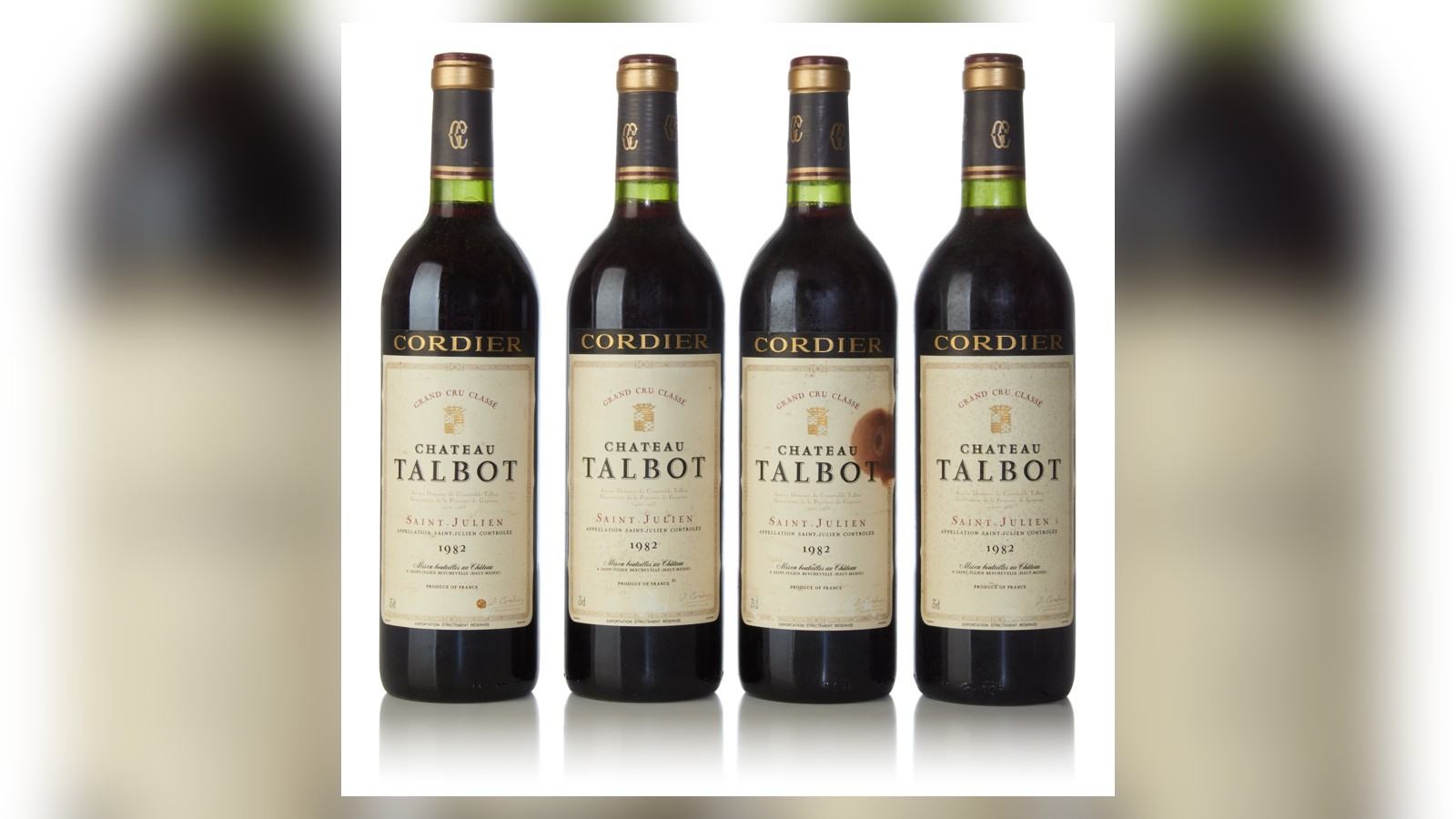
Sotheby's London has scheduled an online Finest & Rarest Wines auction from 14 to 28 October 2026, extending the city's autumn collecting calendar beyond art to established cellar categories. Prospective buyers can review individual listings while arranging storage, documentation
The announced sale and its significance
Sotheby's London has scheduled an online Finest & Rarest Wines auction from 14 to 28 October 2026, extending the city's autumn collecting calendar beyond art to established cellar categories. Prospective buyers can review individual listings while arranging storage, documentation and delivery before committing to bids.
For collectors considering a significant purchase, the published material should be read in the context of the venue, sale dates and the exact works offered. A preview supplies useful facts but cannot substitute for a properly documented inspection or the auction conditions applicable to each lot.
Historical context and expert interpretation
Fine wine collecting depends heavily on the history of each bottle. Provenance, temperature records, fill levels and integrity of closures can matter more to a serious buyer than the prestige of a vineyard or vintage alone.
A specialist may identify meaningful differences in artistic technique, craftsmanship and the historical place of an object that are difficult to capture in a brief catalogue description. Good acquisitions begin by recognising those distinctions instead of assuming that a famous name establishes quality.
Materials, authenticity and condition
Bordeaux wines can appeal to collectors assembling verticals of an estate across a sequence of vintages. That approach rewards knowledge of vintage conditions, maturation and the practical time horizon over which the wines are intended to be consumed.
Preservation records, photographs and records of past interventions may prove important decades after the purchase. A buyer should establish which findings are verified, which rest on attribution and what further expert examination would be prudent.
Comparing individual lots
Burgundy offers a different landscape of producers and vineyard parcels, making attribution and small-production bottlings especially important. Scarcity can support interest but does not ensure that a wine has been stored correctly or will improve indefinitely.
Comparison of objects requires a consistent understanding of size, materials, provenance and overall condition. An estimate is not a guarantee of sale or future investment performance, and superficially similar lots can command different levels of demand.
Planning ownership and display
A buyer who owns residences in several countries may prefer to retain important bottles in secure temperature-controlled professional storage. Moving older wine repeatedly, including aboard a yacht, exposes bottles to avoidable risks from vibration and temperature change.
A professional collection inventory can record ownership, insurance coverage, condition and the safe location of each object. This matters particularly when works or vehicles move between different properties and contractors need limited access to information.
What buyers should verify
The London sale remains upcoming as of 10 October. Estimates should be read as guidance rather than forecasts, while duties, premiums, shipping and cellar-management fees are part of the actual cost of acquisition.
The most durable result of collecting is the enjoyment and understanding of objects that are properly cared for. Bidders should know their financial limit and the practical obligations of transport, insurance and continuing maintenance before the event.
Practical collecting decisions
Before arranging an international purchase, collectors should establish who is authorised to act as their agent and which specialists will inspect the object. Written records of condition, title and transport arrangements are especially valuable when items will be held in multiple locations.
A clear collection policy can separate objects acquired for personal enjoyment from those intended for historical study or institutional loans. This distinction affects conservation, insurance and the amount of documentation necessary at the time of purchase.